Can You Have Fatty Liver Without Being Overweight?

Getting told there is fat in the liver can feel confusing when the scale looks “normal,” your clothes fit the same, and no one has ever described you as overweight. This may not be random, and it is not rare enough to dismiss. The encouraging news: fatty liver without being overweight can often be understood through metabolic clues that are more useful than body weight alone.
Quick Win: This week, take a 10–15 minute relaxed walk after your largest meal on at least 4 days. For many people, this is a simple way to support post-meal glucose handling without starting an extreme plan.
Can You Have Fatty Liver Without Being Overweight?
Yes, you can have fatty liver without being overweight. Clinicians often describe this as lean NAFLD, lean MASLD, or fatty liver in a person with normal BMI, depending on the terminology and diagnostic criteria used.
NAFLD means nonalcoholic fatty liver disease. MASLD means metabolic dysfunction-associated steatotic liver disease, a newer term used when liver fat appears alongside cardiometabolic risk factors such as insulin resistance, high triglycerides, blood pressure changes, prediabetes, or type 2 diabetes.[1]
Fatty liver without being overweight does not automatically mean something severe is happening. It does mean body size alone is not enough to understand liver and metabolic health.
A practical next step is to look at waist measurement, triglycerides, HDL cholesterol, glucose markers, liver enzymes, alcohol intake, sleep quality, medications, and fibrosis risk. Many useful changes happen over months, not days.
Key Takeaways
- Normal weight does not rule out liver fat. Some people carry more visceral fat or have insulin resistance despite a normal BMI.
- Lean fatty liver is still a metabolic signal. It may overlap with high triglycerides, prediabetes, sleep apnea, or family risk.
- Weight loss is not always the main goal. Body composition, muscle, glucose control, alcohol context, and sleep may matter more.
- Follow-up matters. A clinician can assess liver enzymes, fibrosis risk, and other causes of liver fat.
Stat Callout: A 2020 meta-analysis estimated that about 40% of people with NAFLD were non-obese, and almost one-fifth were lean. That does not mean everyone at normal weight needs screening, but it does show why weight alone can miss risk.[4]
What Does Fatty Liver Mean at a Normal Weight?
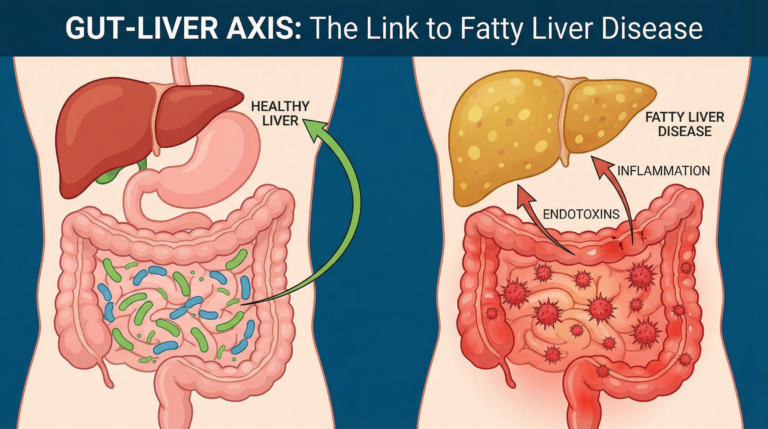
Fatty liver means excess fat has accumulated inside liver cells. A small amount of liver fat can be normal, but higher levels may be associated with inflammation, metabolic strain, and fibrosis in some people over time.[7]
Being normal weight does not make liver fat harmless. It also does not mean you should panic or blame yourself.
Lean fatty liver has a clinical definition
The American Gastroenterological Association defines lean NAFLD as NAFLD in adults with BMI below 25 kg/m² for non-Asian adults, or below 23 kg/m² for Asian adults.[2]
That definition is useful, but BMI has limits. It cannot show visceral fat, muscle mass, insulin sensitivity, family tendency, or liver fibrosis risk.
Normal liver enzymes do not always end the story
Some people discover liver fat through an ultrasound, CT scan, MRI, or blood work done for another reason. Others have no symptoms and liver enzymes that are only mildly changed, or even normal.
This is why follow-up should be individualized. A clinician may review ALT, AST, GGT, platelets, glucose markers, lipid markers, alcohol intake, medications, family history, and non-invasive fibrosis scores. If you want help understanding common markers, this guide to liver enzyme results is a useful next read.
Why Can Liver Fat Build Up Without Weight Gain?
Fatty liver without being overweight often reflects a mismatch between what the liver receives, stores, burns, and exports. That mismatch can develop even when body size does not look concerning.
Mechanism Box: The liver handles glucose, fats, cholesterol, and energy storage. When insulin resistance, high triglyceride flow, visceral fat, alcohol exposure, poor sleep, or low muscle activity add pressure, the liver may store more fat even without major weight gain.
Insulin resistance can show up before the scale changes
Insulin helps move glucose into cells and influences how the liver handles energy. When cells become less responsive to insulin, the liver may produce and store more fat, especially when triglycerides and glucose markers are elevated.
This can happen in adults who are not overweight. It may be more likely when meals are often low in fiber, high in refined starches or added sugars, and paired with long sedentary stretches.
Visceral fat matters more than appearance
Visceral fat sits deeper around abdominal organs. It is more metabolically active than fat stored under the skin and can increase fatty acid flow and inflammatory signaling toward the liver.[5]
Someone can have a normal BMI and still carry proportionally higher visceral fat. For a deeper explanation of this pattern, see lean fatty liver and TOFI.

Low muscle mass and inactivity can raise metabolic pressure
Muscle is a major storage site for glucose after meals. Lower muscle mass or low activity can reduce glucose disposal, which may place more pressure on the liver over time.
Exercise research in NAFLD suggests that aerobic and resistance training may support liver fat reduction and metabolic markers, sometimes even when weight changes are modest.[6]
Alcohol, medications, and other conditions can contribute
Not every case of liver fat is purely metabolic. Alcohol intake, certain medications, viral hepatitis, thyroid disorders, polycystic ovary syndrome, sleep apnea, and other conditions can overlap with or mimic fatty liver patterns.
The AGA advises clinicians to routinely ask about alcohol intake in lean NAFLD and to consider other causes of liver disease when the presentation is unusual.[2]
One thing worth pushing back on here: many people assume fatty liver is only a “weight problem.” Weight can matter, but the practical issue is metabolic load: blood sugar swings, triglycerides, visceral fat, alcohol exposure, sleep quality, medications, and genetics. This matters because useful steps can still exist even when weight loss is not the main goal.
Which Clues Suggest Metabolic Risk at a Normal BMI?
A normal BMI can be reassuring, but it is not a full metabolic assessment. For fatty liver without being overweight, the most useful clues often come from waist size, blood work, blood pressure, sleep, and family history.
| Clue | Why It May Matter |
|---|---|
| Higher waist-to-height ratio | May suggest more central or visceral fat, even when BMI is normal. |
| High triglycerides | May reflect altered fat handling and insulin resistance. |
| Low HDL cholesterol | Often appears with insulin resistance and metabolic syndrome patterns. |
| Prediabetes or higher fasting glucose | May indicate glucose-handling strain involving the liver and muscles. |
| Elevated ALT, AST, or GGT | Can suggest liver irritation, though normal values do not always exclude liver fat. |
| Poor sleep or possible sleep apnea | May worsen insulin resistance and cardiometabolic risk. |
Clinical guidance recommends evaluating lean adults with NAFLD for cardiometabolic conditions such as type 2 diabetes, dyslipidemia, and hypertension.[2]
That does not mean everyone needs aggressive testing. It means a normal body size should not automatically end the conversation.
When professional follow-up matters
Make a follow-up plan with a qualified healthcare provider if liver fat was found on imaging, liver enzymes are abnormal, or you have prediabetes, type 2 diabetes, high triglycerides, high blood pressure, or a family history of liver disease.
Seek urgent medical care for symptoms such as yellowing of the skin or eyes, vomiting blood, black stools, confusion, severe abdominal pain, or new swelling in the abdomen or legs. Those symptoms are not typical “lifestyle clues” and need prompt evaluation.
What Can You Do If Your Weight Is Normal?
If your weight is normal, the goal is usually metabolic improvement rather than simply eating less. This is not a personal failure, and it is not a sign that you need a harsh diet.
For many people, the most helpful approach focuses on liver fat, insulin sensitivity, triglycerides, muscle, sleep, and alcohol context. A MASLD diet for liver health can be a useful next step.
Build meals that reduce glucose and triglyceride pressure
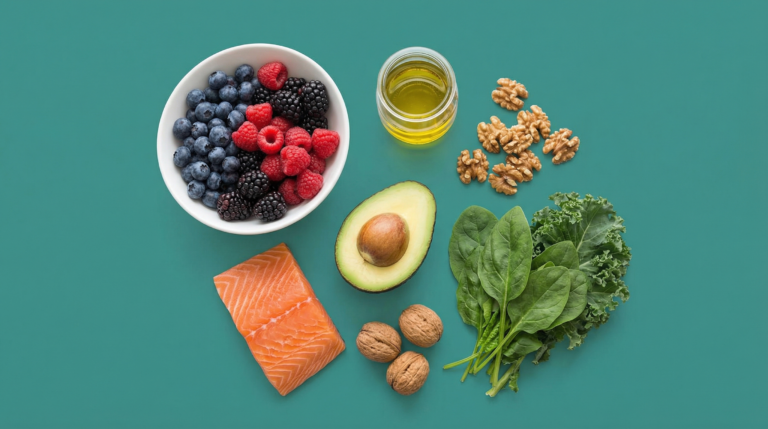
A liver-supportive plate is usually steady and simple: protein, high-fiber carbohydrates, colorful plants, and mostly unsaturated fats. This pattern may help reduce post-meal glucose swings and support better lipid handling.
Useful swaps include replacing sweet drinks with water or unsweetened options, choosing beans or lentils instead of refined grains more often, and adding vegetables before or alongside starch-heavy meals.
Use movement as a glucose disposal tool
Walking after meals may help the body handle glucose more smoothly. Resistance training may support muscle mass, which gives glucose somewhere useful to go.
A realistic starting point is 2–3 short strength sessions per week plus short walks after larger meals. Bodyweight squats to a chair, wall push-ups, step-ups, and light rows can be enough to begin.

Look at alcohol honestly, not dramatically
Alcohol can contribute to liver fat and liver inflammation in some people. Even when the diagnosis is MASLD or NAFLD, alcohol intake can still influence liver health.
A reasonable first step is tracking actual weekly intake for 2 weeks. Many people underestimate portions, especially with wine, cocktails, or social drinking.
Prioritize sleep and recovery
Sleep affects insulin sensitivity, appetite regulation, and blood pressure. Poor sleep does not cause every metabolic issue, but it can make healthy eating and activity harder to sustain.
Consistent sleep timing, morning light exposure, and reducing late-night alcohol or heavy meals may support a steadier metabolic rhythm. Loud snoring, choking during sleep, or daytime sleepiness are reasons to ask about sleep apnea screening.
How Long Does Progress Usually Take?
Meaningful liver and metabolic changes usually require consistency over months. That can feel slow, but it is also more realistic than chasing a short, extreme reset.
Early signs may include steadier energy, fewer afternoon crashes, better post-meal comfort, or improved sleep. Measurable changes may appear in triglycerides, fasting glucose, A1C, ALT, AST, waist measurement, or imaging, depending on what was abnormal at baseline.
Clinical guidance places lifestyle change at the center of NAFLD and MASLD care. For lean adults, the emphasis may be body composition, insulin sensitivity, liver fat reduction, and cardiometabolic risk rather than large-scale weight loss.[3]
Some adults at normal weight may still benefit from modest fat loss if they carry more visceral fat. Others may need more focus on muscle gain, glucose control, alcohol reduction, sleep apnea treatment, or medication review with a clinician.
A Practical 4-Week Plan for Lean Fatty Liver Support
This plan is educational and should be adapted with a qualified healthcare provider. This is especially important if you have diabetes, liver disease, take medication, are pregnant, or have a history of disordered eating.
Week 1: Clarify your baseline
Write down typical meals, alcohol intake, movement, sleep duration, and energy patterns for 7 days. Do not judge the log; use it as a map.
Ask your healthcare provider which markers matter for your situation. Common discussion points include ALT, AST, GGT, platelets, fasting glucose, A1C, triglycerides, HDL, blood pressure, and fibrosis risk scoring.
Week 2: Stabilize your first meal and largest meal
Choose one protein source and one fiber-rich plant food at breakfast or your first meal. This may help reduce grazing and support steadier glucose patterns later.
At your largest meal, add vegetables or legumes before increasing portions of refined starch. This does not require a strict diet; it changes the structure of the meal.
Week 3: Add strength without overcomplicating it
Do two short full-body sessions this week. Aim for controlled movements that feel manageable, not maximal effort.
A simple circuit could include chair squats, incline push-ups, hip hinges, rows with a band, and a loaded carry. Stop before pain, dizziness, or unusual symptoms.
Week 4: Tighten the highest-impact habit
Choose the pattern that stands out most: sweet drinks, late-night snacking, alcohol, low protein, low steps, poor sleep timing, or long sitting blocks. Improve one of them before adding another rule.
For many people, the best first target is the habit that happens most often. A small daily shift can matter more than a dramatic weekend reset.
Frequently Asked Questions
Can you have fatty liver without being overweight?
Yes, you can have fatty liver without being overweight. This is often called lean NAFLD or lean MASLD when liver fat appears in someone with normal BMI. Possible contributors include insulin resistance, visceral fat, genetics, high triglycerides, alcohol intake, sleep apnea, medications, and other medical conditions. A clinician can help confirm the likely cause and assess whether there is liver inflammation or fibrosis risk.
Is lean fatty liver less serious than fatty liver with obesity?
Not always. Some lean adults have mild liver fat with low short-term risk, while others have metabolic risk factors or fibrosis that need closer monitoring. Body weight alone does not show liver inflammation, scarring risk, or cardiometabolic health. This is why individualized follow-up matters.
What blood tests are useful for fatty liver at a normal weight?
A healthcare provider may review ALT, AST, GGT, platelets, fasting glucose, A1C, triglycerides, HDL cholesterol, and other markers depending on your history. They may also calculate non-invasive fibrosis scores or recommend imaging when appropriate. Normal liver enzymes do not always rule out fatty liver, so results should be interpreted in context.
Should you lose weight if you have fatty liver but are not overweight?
Not everyone at a normal weight needs weight loss as the main goal. Some people may benefit more from improving body composition, building muscle, reducing visceral fat, improving triglycerides, managing blood sugar, sleeping better, or reducing alcohol exposure. If weight loss is considered, it should be modest, safe, and medically appropriate.
Can exercise help lean fatty liver even without weight loss?
Exercise may support liver and metabolic health even when body weight changes very little. Aerobic activity can help with glucose and fat metabolism, while resistance training may improve muscle mass and insulin sensitivity. A realistic routine is usually better than an intense plan that cannot be maintained. People with medical conditions should ask a healthcare provider what level of exercise is safe.
Conclusion
Fatty liver is not always visible from the outside. You can have fatty liver without being overweight, and the most useful next step is a calm look at metabolic health, liver markers, lifestyle patterns, and possible medical contributors.
The encouraging part is that support does not have to be extreme. Better meal structure, regular movement, strength training, alcohol awareness, sleep support, and appropriate medical follow-up may help create meaningful progress over time.
A normal weight should not make you dismiss the finding, but it also should not make you panic. Treat it as useful feedback from the body and build from there.
Medical Disclaimer: The information provided in this article is for educational purposes only and does not constitute medical advice. Always consult a qualified healthcare provider before making changes to your diet, lifestyle, or treatment plan. TheMetabolicHub.com does not replace professional medical guidance.
References
- European Association for the Study of the Liver, European Association for the Study of Diabetes, and European Association for the Study of Obesity. EASL-EASD-EASO Clinical Practice Guidelines on the management of metabolic dysfunction-associated steatotic liver disease. J Hepatol. 2024. PMID: 38851997
- Long MT, Noureddin M, Lim JK. AGA Clinical Practice Update: Diagnosis and Management of Nonalcoholic Fatty Liver Disease in Lean Individuals. Gastroenterology. 2022. PMID: 35842345
- Rinella ME, Neuschwander-Tetri BA, Siddiqui MS, et al. AASLD Practice Guidance on the clinical assessment and management of nonalcoholic fatty liver disease. Hepatology. 2023. PMID: 36727674
- Ye Q, Zou B, Yeo YH, et al. Global prevalence, incidence, and outcomes of non-obese or lean non-alcoholic fatty liver disease: a systematic review and meta-analysis. Lancet Gastroenterol Hepatol. 2020. PMID: 32413340
- Saponaro C, Sabatini S, Gaggini M, et al. Adipose tissue dysfunction and visceral fat are associated with hepatic insulin resistance and severity of NASH even in lean individuals. Liver Int. 2022. PMID: 35900229
- Xue Y, Chen Y, Chen X, et al. Effect of different exercise modalities on nonalcoholic fatty liver disease: a systematic review and network meta-analysis. Sci Rep. 2024. DOI: 10.1038/s41598-024-51470-4
- MedlinePlus. Fatty Liver Disease. U.S. National Library of Medicine. Updated 2026. MedlinePlus