Walking for Metabolic Syndrome: How Much Is Enough?
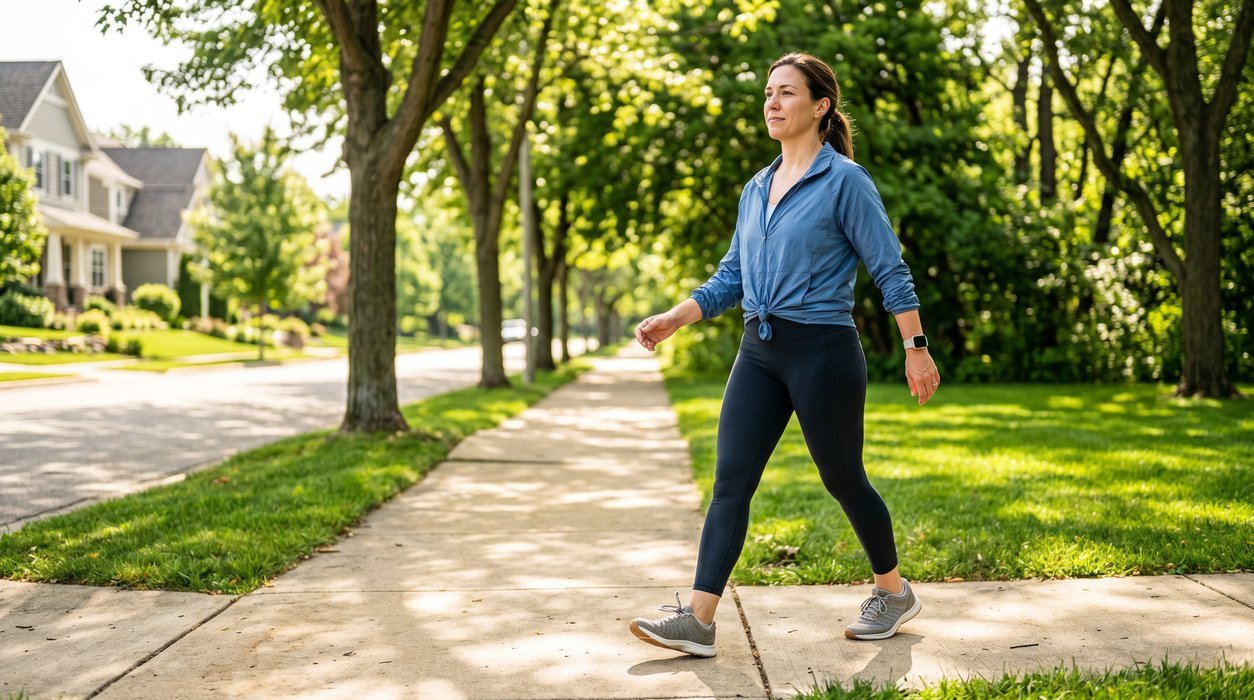
Feeling trapped by metabolic syndrome advice can wear people down, especially when every recommendation sounds like another demand to overhaul life overnight. This may not be random or a lack of willpower; metabolic health often responds best to steady, repeatable actions. The encouraging news: walking for metabolic syndrome can be simpler, safer, and more realistic than a full exercise overhaul.
For many adults, the baseline target is 150 minutes per week of moderate-intensity walking, spread across several days. People who are currently inactive can start with 10 minutes most days and build gradually.
Quick Win: Take a 10-minute easy-to-brisk walk after your largest meal today. Keep the pace comfortable enough to talk, but brisk enough that singing would feel difficult.
Walking for Metabolic Syndrome: How Much Is Enough?
A practical target for walking for metabolic syndrome is 150 minutes per week of moderate-intensity walking, such as 30 minutes on 5 days per week. Shorter walks can also count when they are repeated consistently across the week.
This aligns with major physical activity guidance for adults, including recommendations from the World Health Organization and the American Heart Association. Additional benefits may occur as total moderate activity rises toward 300 minutes per week, when that is realistic and safe.[1][2]
| Goal Level | Walking Target | Best Fit |
|---|---|---|
| Starter | 10 minutes on most days | Currently sedentary, fatigued, or returning after a break |
| Baseline | 150 minutes per week | Most adults aiming to support metabolic health |
| Progressive | 200–300 minutes per week | People ready for more total activity without pain or burnout |
| Post-meal focus | 10–15 minutes after 1–2 meals | People focusing on post-meal blood sugar patterns |
The best starting point is not always the “ideal” plan. It is the smallest plan that can be repeated when work is busy, sleep is poor, or motivation is low.
Key Takeaways
- For many adults, the main walking target is 150 minutes per week of moderate-intensity movement.
- Walking for metabolic syndrome works best when it is frequent, brisk enough to matter, and realistic to repeat.
- Brisk walking usually means you can talk in short sentences, but singing would feel difficult.
- Post-meal walking may be useful for people focused on blood sugar patterns.
- Walking works best alongside nutrition, sleep, resistance training, and medical care when needed.
Why Walking Helps Metabolic Syndrome Markers
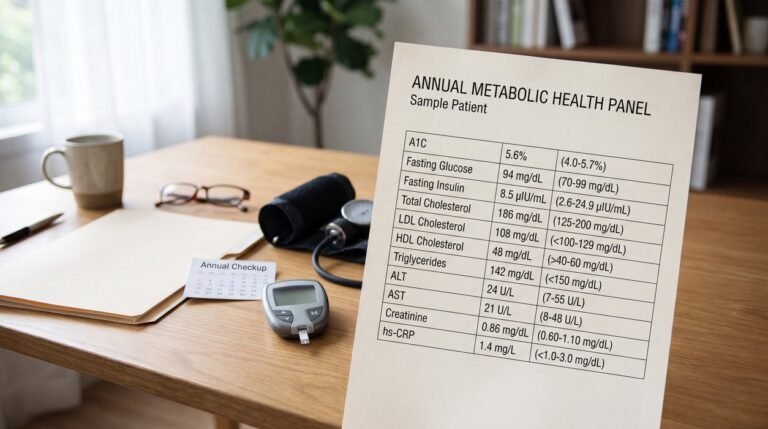
Metabolic syndrome is a cluster of risk factors that may include increased waist circumference, elevated blood pressure, higher fasting glucose, high triglycerides, and low HDL cholesterol. Having several of these together is linked to higher long-term risk for type 2 diabetes and cardiovascular disease.[3]
Walking helps because working muscles use energy. During and after movement, muscles can take up glucose from the bloodstream more efficiently, which may support insulin sensitivity over time.[4]
Regular walking may also support blood pressure regulation, waist management, triglycerides, HDL cholesterol, cardiorespiratory fitness, and daily energy use. The effect is usually strongest when walking is part of a broader plan that includes nutrition, sleep, resistance training, and medical care when needed.
For a wider look at training options, this guide to exercise options for metabolic syndrome can help you compare walking with strength training, intervals, and other movement approaches.
Walking is not “too simple” to count
One thing worth pushing back on here: walking is often dismissed as not being “real exercise.” That assumption can make people feel like only hard workouts count, even when those workouts are not sustainable.
For metabolic syndrome, repeated moderate movement may matter more than occasional intensity. A walk that happens most days can create a more reliable signal for blood sugar, blood pressure, and fitness than a difficult workout that happens once every two weeks.
Minutes, Steps, or Intensity: What Should You Track?
Minutes, steps, and intensity each tell a different story. The right tracking method is the one that makes walking easier to repeat without turning it into another source of stress.
Minutes are the simplest guideline match
Most public health guidance is written in minutes. Walking counts toward the 150-minute weekly target when it reaches moderate intensity, not when it is only a very slow stroll.[1]
A practical test is the talk test. You should be able to speak in short sentences, but singing should feel difficult.
Steps are useful for total daily movement
Step counts can help because they capture movement outside planned walks. This matters for people who sit for long workdays and need more movement across the full day.
Research using step counts supports daily steps as a practical way to measure physical activity exposure and health-related movement patterns.[5] Instead of jumping straight to 10,000 steps, many people do better by adding 1,000–2,000 steps above their current baseline.
Intensity makes walking more metabolically meaningful
Brisk walking gives the cardiovascular system and working muscles a stronger stimulus than very light movement. That does not mean walking needs to feel punishing.
For many adults, a good pace feels warm, steady, and purposeful. Breathing is slightly faster, posture is active, and the walk feels like exercise without becoming a hard workout.
Can Post-Meal Walking Support Blood Sugar?
Post-meal walking may be especially useful for people focused on blood sugar control, insulin resistance, or prediabetes risk. After a meal, active muscles can use some circulating glucose for energy.
Randomized research suggests that postprandial brisk walking can reduce glucose responses after meals compared with sitting.[6] The studied dose is not always identical to everyday advice, so a 10-minute walk is best understood as a practical starting point rather than a guaranteed clinical threshold.
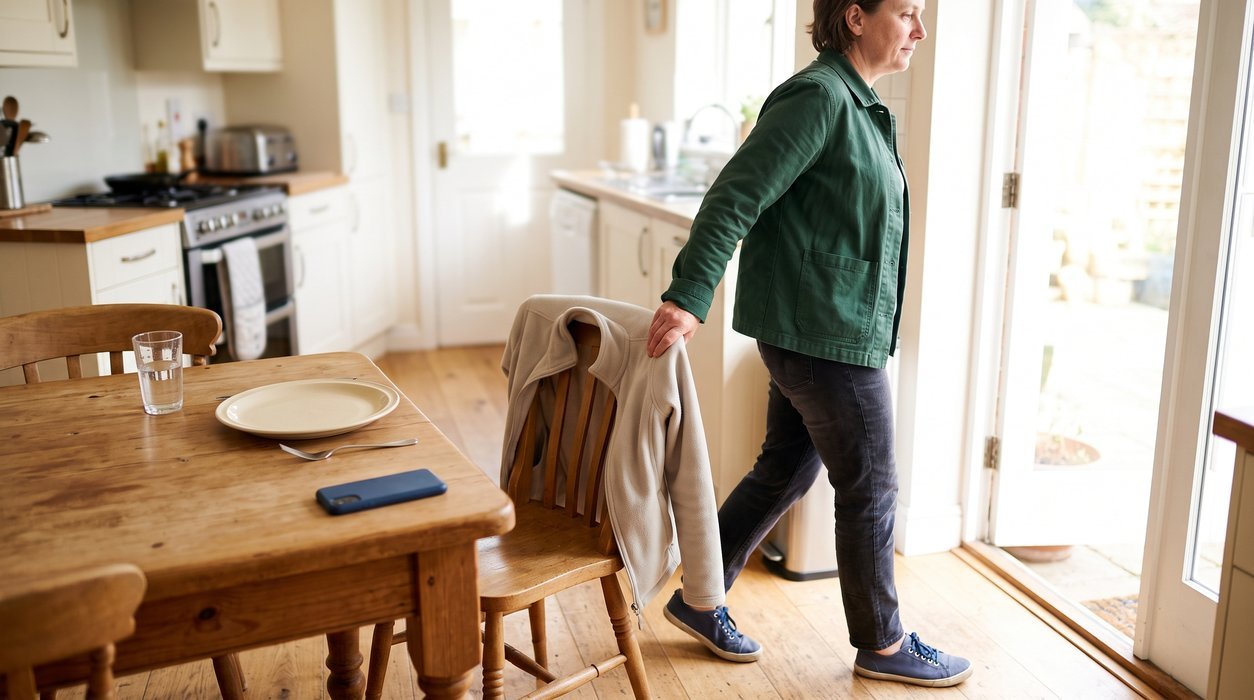
Post-meal walking works well because it attaches to something already happening. Instead of finding a separate workout window, the walk becomes part of the meal routine.
This is not a personal failure if consistency has been hard. Many people need a plan that fits energy, joints, medication timing, family responsibilities, and weather.
A Practical Walking Plan for Metabolic Syndrome
The safest walking plan is one that builds gradually. Stay at any stage longer if you have joint pain, dizziness, severe fatigue, neuropathy, or have been advised to increase activity carefully.
| Week | Walking Goal | Main Focus |
|---|---|---|
| Week 1 | 10 minutes on 5 days | Build the habit without chasing pace |
| Week 2 | 15–20 minutes on 5 days | Use a comfortable brisk pace |
| Week 3 | 25–30 minutes on 5 days | Reach the 150-minute weekly target |
| Week 4 | 150 minutes weekly plus 1–2 short post-meal walks | Add blood sugar-friendly timing |
Option 1: The 30-minute plan
Walk for 30 minutes on 5 days per week. This is the simplest way to reach 150 minutes and works well for people who prefer one planned session.
Option 2: The 10-minute plan
Walk for 10 minutes after breakfast, lunch, and dinner on most days. This can be easier for people who prefer short sessions or want to focus on post-meal walking.
Option 3: The step-building plan
Track usual daily steps for 3–4 days, then add 1,000 steps per day for one week. When that feels normal, add another 500–1,000 steps.
Option 4: The brisk interval plan
During a 20–30 minute walk, alternate 2 minutes at an easy pace with 1 minute at a brisker pace. This gently raises intensity without turning the walk into a punishing workout.
What Progress May Look Like Over Time
Early progress often feels ordinary before it looks dramatic. Many people first notice less stiffness, steadier energy, better mood, or less post-meal sluggishness.
Within a few weeks, the same walk may feel easier. That is a sign the cardiovascular system and muscles are adapting, even before weight, waist measurement, or lab values change.
- Early signs may include better stamina and less post-meal sleepiness.
- Measurable changes may include more daily steps, lower resting heart rate, or a faster comfortable pace.
- Clinical markers may take several months and should be reviewed with a qualified healthcare provider.
- Walking often works best alongside resistance training, nutrition changes, and adequate sleep.
If you are monitoring progress with labs, a guide to metabolic syndrome blood tests to track can help you understand which numbers are commonly followed and why.
Common Walking Mistakes to Avoid
The first mistake is starting too aggressively. If walking causes pain, exhaustion, or dread, the plan is less likely to become a stable habit.
The second mistake is walking only once or twice per week and expecting large metabolic changes. Blood sugar, blood pressure, and energy regulation tend to respond better to repeated movement.
The third mistake is ignoring pace completely. Very light walking is still better than sitting, but moderate-intensity walking is more aligned with the 150-minute weekly goal.
The fourth mistake is staying sedentary for the rest of the day. Even light activity can help break up long sitting periods, and that matters for overall cardiometabolic health.[2]
What walking can and cannot do
Walking can be a powerful starting point, but it is not a stand-alone treatment plan for everyone. Some people also need medication, nutrition support, sleep evaluation, blood pressure management, or guidance from a clinician.
That does not make walking less valuable. It means walking should be treated as one reliable lever inside a broader metabolic health plan.
When to get medical guidance first
Adults with chest pain, unexplained shortness of breath, dizziness, severe neuropathy, unstable blood pressure, recent surgery, or known heart disease should speak with a qualified healthcare provider before increasing exercise.
Anyone taking glucose-lowering medication may also need individualized advice. Activity can affect blood sugar, especially when meal timing, medication timing, and walking timing change.
Frequently Asked Questions
How much walking for metabolic syndrome is enough?
For many adults, walking for metabolic syndrome starts with about 150 minutes of moderate-intensity walking per week. This can be 30 minutes on 5 days or shorter walks added together. People who are currently inactive can begin with 10 minutes most days and build gradually. More walking may offer additional support when it is safe, comfortable, and sustainable.
Is 10,000 steps a day necessary for metabolic health?
No, 10,000 steps is not a required threshold. It can be a useful goal for some people, but smaller increases may be more realistic and still meaningful. A person currently walking 4,000 steps per day may benefit from moving toward 5,000 or 6,000 first. The goal is steady progress, not a perfect number.
Is walking after meals better than walking in the morning?
Both can be helpful. Morning walks may support consistency, mood, and total daily activity. Post-meal walking may be especially useful for post-meal blood sugar patterns. Many adults do well with one regular daily walk plus one short walk after the meal that tends to feel heaviest.
Can walking alone manage metabolic syndrome?
Walking can be an important part of a metabolic syndrome plan, but it is rarely the only factor. Nutrition, sleep, resistance training, medications, body weight, stress, and medical history can all influence metabolic markers. Walking is valuable because it is accessible and repeatable. It works best as part of a broader lifestyle and healthcare strategy.
Conclusion
Walking for metabolic syndrome does not need to be extreme to matter. For most adults, the strongest starting target is 150 minutes per week of moderate-intensity walking, with short post-meal walks added when blood sugar balance is a priority.
The right amount is personal. It should be measurable, repeatable, and kind enough to your body that you can return to it again tomorrow.
A 10-minute walk today may not feel life-changing. Repeated often enough, it can become the kind of daily structure that supports better metabolic health over time.
Medical Disclaimer: The information provided in this article is for educational purposes only and does not constitute medical advice. Always consult a qualified healthcare provider before making changes to your diet, lifestyle, or treatment plan. TheMetabolicHub.com does not replace professional medical guidance.
References
- Bull FC, Al-Ansari SS, Biddle S, et al. World Health Organization 2020 guidelines on physical activity and sedentary behaviour. Br J Sports Med. 2020. PMID: 33239350
- American Heart Association. Recommendations for Physical Activity in Adults. AHA
- Swarup S, Goyal A, Grigorova Y, Zeltser R. Metabolic Syndrome. StatPearls. Updated 2024. NCBI Bookshelf
- Bird SR, Hawley JA. Update on the effects of physical activity on insulin sensitivity in humans. BMJ Open Sport Exerc Med. 2017. PMID: 28879026
- Kraus WE, Janz KF, Powell KE, et al. Daily step counts for measuring physical activity exposure and its relation to health. Med Sci Sports Exerc. 2019. PMID: 31095077
- Bellini A, Nicolò A, Bazzucchi I, Sacchetti M. The effects of postprandial walking on the glucose response after meals with different characteristics. Nutrients. 2022. PMID: 35268055
- American Diabetes Association Professional Practice Committee. Prevention or Delay of Diabetes and Associated Comorbidities: Standards of Care in Diabetes—2026. Diabetes Care. 2026. Diabetes Care