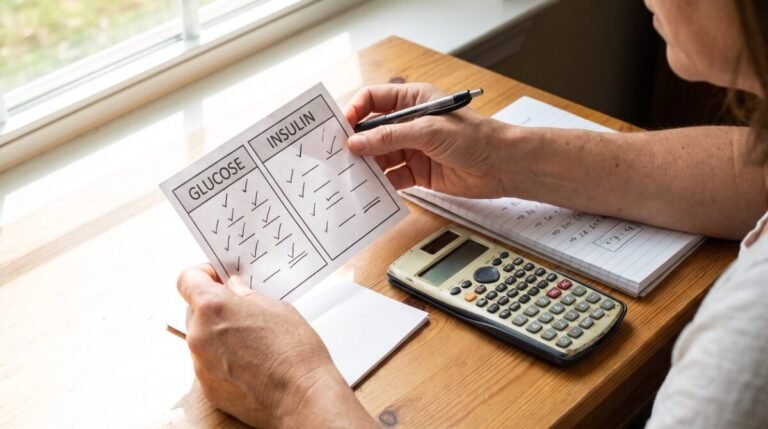
Traveling with Insulin Resistance: 6 Key Tips
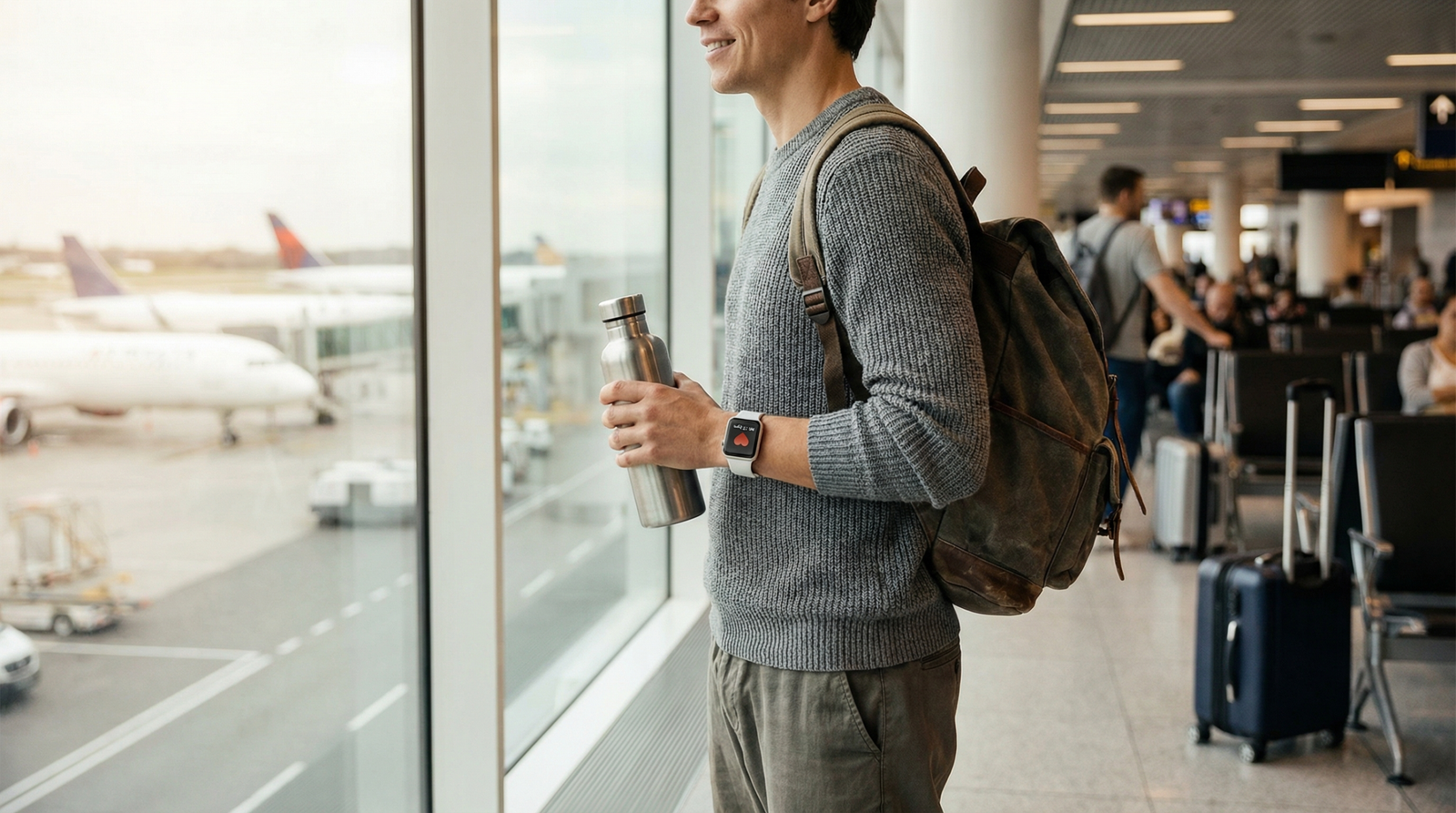
You have spent months planning a trip. The excitement is real — and so is the mental checklist that comes with it when you are managing insulin resistance. Will the airport food spike your blood sugar? What happens to your routine across three time zones? Will you have to say no to experiences because of how your body responds?
Traveling with insulin resistance does not have to mean constant vigilance and missed moments. With the right preparation, most of the unpredictability becomes manageable — before you even leave home.
The encouraging news: traveling with insulin resistance is something thousands of people do successfully every year, and the strategies that make it work are practical, not complicated.
| What You’ll Find in This Guide |
|---|
| ✔ What to pack — and how much to bring |
| ✔ How to keep insulin safe without a fridge |
| ✔ Eating and moving well when your routine disappears |
| ✔ Managing time zones and jet lag without losing blood sugar control |
| ✔ Airport security — what to say, what to request |
How Travel Affects Insulin Resistance — and Why It Matters
Your body’s insulin response does not pause when you board a plane. Shifting schedules, unfamiliar foods, stress hormones from transit, and disrupted sleep all push blood sugar regulation in ways that are hard to predict without some preparation.
The core challenge of traveling with insulin resistance is that several destabilizing factors hit at once. Cortisol rises with travel stress, which directly impairs how well cells respond to insulin. Meal timing shifts. Activity patterns change dramatically — from sitting for hours on a flight to walking miles through a city.[1]
None of this makes travel impossible. It just makes preparation the most important part of the trip.
The CDC recommends that anyone managing blood sugar keep a meter within its operating temperature range — 59–95°F (15–35°C) — for accurate readings, and carry documentation of all medical supplies when flying.[2]
What to Pack — and How Much
The single most important rule: everything that matters goes in your carry-on. Not your checked bag. Not “mostly in the carry-on.” All of it.
Cargo holds can reach temperatures that freeze or degrade insulin. Lost luggage is a logistical inconvenience for most travelers — for someone managing insulin resistance, it can become a medical problem quickly.
Supplies to carry on:
- Insulin (at least double what you expect to use — delays happen)
- Blood glucose meter, lancets, and test strips
- Insulin pens or syringes in original packaging
- Fast-acting glucose sources: glucose tablets, gel packs, or small juice boxes
- Healthy snacks: nuts, a protein bar, something that travels without refrigeration
- A doctor’s letter documenting your condition and supplies
- Backup pen needles or pump supplies if applicable
The doubling rule matters more than it sounds. Flights get delayed. Pharmacies in other countries may not carry your specific supplies. Packing twice what you think you need is not excessive — it is the baseline for traveling confidently.
Split supplies across two bags when possible. If a carry-on is delayed at the gate, having a backup in a personal item prevents the situation from becoming urgent.
The American Diabetes Association also recommends carrying a signed letter from your doctor on letterhead — particularly useful at international checkpoints where verbal explanations face language barriers.[3]
Eating and Moving Well on the Road
Routine disappears when you travel. That is partly the point of travel — and it is also the part that requires the most metabolic flexibility.
With food: airports and tourist areas tend to run heavily toward refined carbohydrates and large portions. A few practical defaults help:
- Opt for meals built around protein and non-starchy vegetables when available — grilled fish or chicken with salad, eggs at breakfast, soups with legumes
- Avoid large buffets where portion control becomes guesswork
- When ordering at unfamiliar restaurants, asking for sauces and dressings on the side gives back some control over what goes in
- Pack snacks specifically for transit — nuts, seeds, hard-boiled eggs if the journey allows — so hunger does not force a poor choice at the airport
Staying hydrated is not optional. Cabin air is exceptionally dry, and dehydration can make blood sugar harder to regulate. Aim for water consistently throughout a flight, not just when thirsty.
With movement: on long flights, standing and walking the aisle every hour supports circulation and reduces the blood sugar impact of prolonged sitting. After landing, even a short walk helps.
Research suggests that a 10–15 minute walk after eating may reduce post-meal blood sugar spikes more effectively than a single longer walk taken at a different time of day.[4] When sightseeing involves a lot of walking, that built-in movement becomes genuinely useful for glucose management — but it also means monitoring more frequently, since sustained activity can lower blood sugar faster than expected.
This is where the standard advice tends to oversimplify: more movement during travel is generally beneficial, but the effect on blood sugar is not always predictable. Intense activity or a long day of walking may lower glucose significantly — which matters if you are also eating less or eating at irregular times. Checking levels more frequently on high-activity days, rather than assuming movement is always stabilizing, is the more useful approach.
For building on these habits at home, the evidence behind strength training for insulin resistance is worth exploring — resistance training improves baseline insulin sensitivity in ways that also benefit how your body handles the metabolic variability of travel.
Managing Time Zones and Jet Lag
Crossing multiple time zones is where blood sugar management gets genuinely more complex — not unmanageable, but worth planning for specifically rather than improvising on arrival.
The direction of travel matters. Flying east shortens your day, which may mean less total food and insulin needed. Flying west lengthens it — the opposite applies. A one- or two-zone shift is usually manageable with more frequent monitoring. Crossing more than three zones typically warrants a conversation with your doctor before departure to get a specific adjustment plan.
Jet lag compounds the challenge. Sleep disruption — even a few nights of it — is associated with reduced insulin sensitivity and impaired glucose tolerance.[5] This is not a reason to avoid travel. It is a reason to check levels more frequently in the first two to three days after arrival, when the body is recalibrating.
A practical approach: keep your watch on home time during the flight to maintain your dosing schedule, then transition to local time on arrival. Check blood glucose before and after the transition, and expect some variability while the body adjusts.
One thing worth pushing back on here: jet lag is often treated as purely a sleep issue. But its metabolic effects — on cortisol rhythm, appetite hormones, and insulin timing — are real and measurable. The same disrupted-sleep effects that affect blood sugar regulation at home apply in amplified form when crossing six or more time zones. Planning for metabolic adjustment, not just fatigue, gives a more accurate picture.
Airport Security with Medical Supplies
Navigating security with medical supplies is manageable once you know the process. The key is to be proactive — inform the officer before screening begins, rather than waiting for questions.
Standard approach at US airports:
- Inform the TSA officer at the checkpoint that you have a medical condition and are carrying insulin, a meter, and related supplies
- If you use an insulin pump or CGM, request a manual pat-down rather than going through a body scanner — most devices can tolerate standard X-ray but manufacturers generally advise against full-body scanners
- Carry supplies in a clear, organized pouch to make visual inspection faster
- Have your doctor’s letter accessible — not buried in a checked bag
At international airports, processes vary. A Medical Device Awareness Card — available through diabetes organizations — can help communicate your needs quickly when language is a barrier.
The Mayo Clinic notes that opened insulin kept at room temperature remains stable for approximately 28 days in most formulations — which means a vial in use during travel does not need to be kept cold continuously, only protected from extreme heat or direct sunlight.[6]
Keeping Insulin Safe Without a Fridge
Most hotels have a minibar or small refrigerator — worth requesting specifically when booking if blood sugar management is a priority. When that is not available, a few reliable alternatives exist.
Insulated cooling cases designed for insulin — FRIO wallets are a widely used option — activate with water and maintain safe temperatures for hours without electricity. These are particularly useful for day trips, outdoor activities, or destinations where reliable refrigeration is uncertain.
In a hotel room without any cooling option, the coolest and darkest spot — often a closet interior away from windows — can work for short periods. What to avoid: leaving insulin in a car, near a sunny window, or in a bag exposed to direct heat.
Backup supply that is not currently in use should stay refrigerated whenever possible. The in-use vial or pen can travel at room temperature within the 28-day window — but keeping track of when it was opened matters more during travel than it does at home.
Conclusion
Traveling with insulin resistance is genuinely manageable — not as a compromise, but as a version of travel that involves a bit more preparation and a bit more awareness.
The foundation is simple: pack everything in your carry-on, bring twice what you think you need, check levels more frequently when routine shifts, and give yourself a few days to adjust after crossing multiple time zones. Most of the challenge dissolves with preparation.
People manage insulin resistance on long-haul flights, multi-week trips, and challenging destinations every day. The body is more adaptable than it sometimes feels — and so are the strategies available to support it.
Frequently Asked Questions
How do I manage traveling with insulin resistance across time zones?
Managing traveling with insulin resistance across time zones starts with a conversation with your doctor before departure — particularly if you are crossing more than three zones. The direction matters: flying east shortens your day and may reduce insulin needs; flying west lengthens it. Keep your watch on home time during the flight to maintain your dosing schedule, then transition to local time on arrival. Expect blood sugar variability for the first two to three days and check levels more frequently during that window. Jet lag affects cortisol and insulin sensitivity, so the metabolic adjustment is real even if fatigue is the more obvious symptom.
What should I pack when traveling with insulin resistance?
Everything essential goes in your carry-on — never checked luggage. Bring at least double the insulin, test strips, and supplies you expect to use, since delays happen. Include a doctor’s letter documenting your condition and supplies, fast-acting glucose sources like tablets or gel packs, and healthy snacks for transit. Split supplies across two bags when possible — if a carry-on is gate-checked, having a backup in a personal item prevents the situation from becoming urgent.
How do I keep insulin safe without a fridge while traveling?
An in-use vial or insulin pen can be kept at room temperature for approximately 28 days in most formulations — so it does not need continuous refrigeration during travel. For day trips or destinations with unreliable cooling, insulated cases like FRIO wallets activate with water and maintain safe temperatures for hours without electricity. Avoid leaving insulin in a hot car, near a sunny window, or in a bag exposed to direct heat. Backup supply that is not in use should stay refrigerated whenever a hotel minibar or fridge is available.
What should I eat to keep blood sugar stable while traveling?
Aim for meals built around protein and non-starchy vegetables when possible — grilled fish or chicken, eggs, soups with legumes, salads with a protein source. Pack non-perishable snacks for transit: nuts, seeds, or protein bars prevent hunger from forcing a poor choice at the airport. Stay consistently hydrated, especially on flights — cabin air is very dry, and dehydration can make blood sugar harder to regulate. After landing, a short walk before a meal may help reduce the post-meal glucose spike during the adjustment period.
Medical Disclaimer: The information provided in this article is for educational purposes only and does not constitute medical advice. Always consult a qualified healthcare provider before making changes to your diet, lifestyle, or treatment plan. TheMetabolicHub.com does not replace professional medical guidance.
References
- Endocrine Society. Adrenal Hormones — Cortisol and Insulin Interaction. endocrine.org
- Centers for Disease Control and Prevention. Tips for Traveling with Diabetes. cdc.gov
- American Diabetes Association. Managing Diabetes While Traveling. diabetes.org
- Buffey AJ et al. The Acute Effects of Interrupting Prolonged Sitting Time in Adults with Standing and Light-Intensity Walking on Biomarkers of Cardiometabolic Health. Sports Med. 2022. PMID: 35115009
- Spiegel K et al. Sleep curtailment is accompanied by increased intake of calories from snacks. Ann Intern Med. 2004. PMID: 16227462
- Mayo Clinic. Diabetes and Travel — How to Manage on the Go. mayoclinic.org