Why You Crave Sugar More Before Your Period
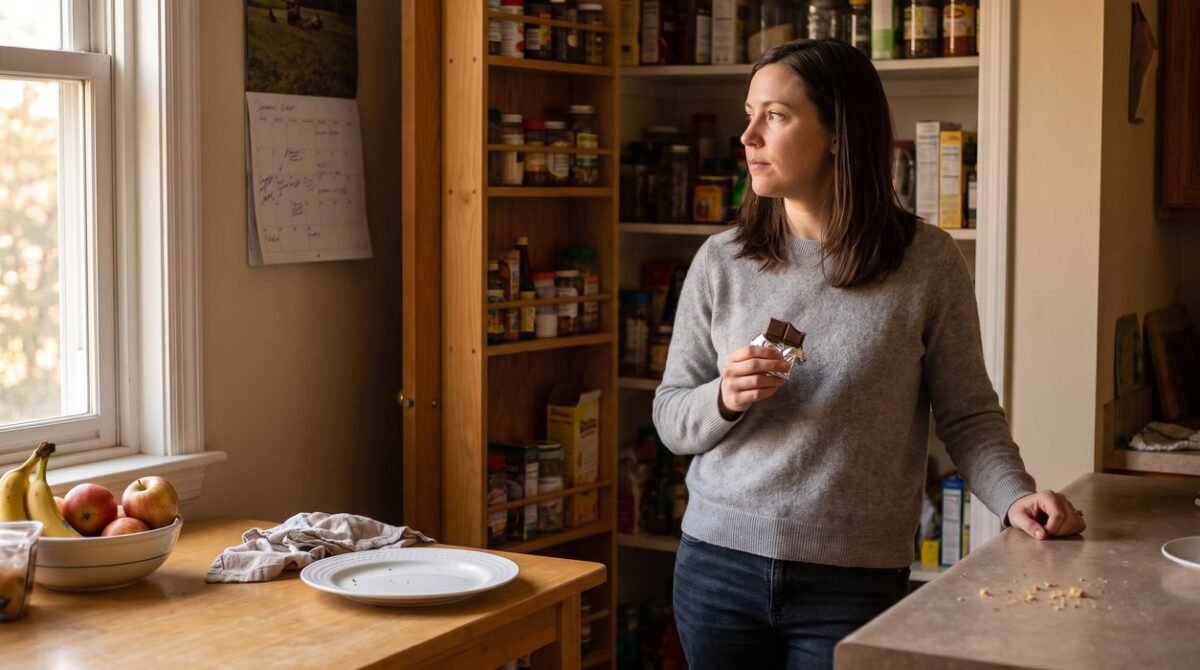
You eat dinner, clean the kitchen, and suddenly the chocolate or cereal feels unusually loud. If this happens at roughly the same point each month, you are not imagining the pattern—and you have not lost your willpower.
Sugar cravings before period days may reflect a changing mix of appetite, energy intake, mood, sleep, stress, learned associations, and cycle hormones. Insulin may be part of the metabolic picture for some people, but it is not a proven single cause of the craving.
Key Takeaway: Premenstrual cravings are recognized symptoms, and average energy intake may rise during the luteal phase. Your individual pattern matters more than a universal hormone story, so track it and respond with adequate, satisfying meals rather than punishment.
Why Sugar Cravings Before Period Days Can Feel Stronger
Food cravings and appetite changes are recognized premenstrual symptoms. They may appear in the days before bleeding, alongside fatigue, bloating, sleep changes, irritability, low mood, or difficulty concentrating.[1], [2]
Researchers do not have one complete explanation for PMS. Ovarian hormones shift after ovulation and fall before menstruation, yet people differ in their sensitivity to those changes. Symptoms also vary from one cycle to another.[2]
A 2025 systematic review and meta-analysis pooled 15 datasets involving 330 healthy adults. Average reported energy intake was higher in the luteal phase than in the follicular phase, with a crude difference of about 168 calories per day.[3]
That number describes a small research sample, not a daily allowance or prediction for you. The authors highlighted repeated inconsistencies in how studies measured food intake and identified menstrual phases.
The review also evaluated total energy intake, not a biological mandate to eat sugar. A craving can target chocolate, baked goods, salty snacks, or another familiar comfort food, and culture and habit can shape what sounds rewarding.
Craving, hunger, and low blood sugar are not the same
Hunger tends to widen your food options; many foods sound acceptable. A craving is usually more specific. Hypoglycemia is a measured or clinically recognized low glucose event that may include shaking, sweating, weakness, confusion, or other symptoms.
You cannot reliably identify low blood sugar from a craving alone. If you use insulin or medication that can cause hypoglycemia, follow your prescribed checking and treatment plan rather than assuming every premenstrual urge needs the same response.
Is Insulin the Reason You Want Sugar?
Insulin helps move glucose from the blood into cells and regulates fuel storage. Insulin sensitivity can vary with many factors, including sleep, activity, illness, stress, medications, and hormonal changes.
The American Diabetes Association includes menstrual hormone changes among factors that can affect blood glucose.[5] That does not establish a direct path from a specific hormone to insulin resistance to a sugar craving in every menstruating person.
In type 1 diabetes, a 2023 systematic review found highly heterogeneous methods and an overall high risk of bias. It could not reach a quantitative conclusion, although a subset of people appeared to have worse insulin sensitivity and higher glucose in the luteal phase.[4]
The clinically useful message is personal pattern recognition. If glucose repeatedly shifts during the same cycle phase, discuss the data with your diabetes team. Do not copy another person’s basal, bolus, food, or exercise adjustment.
If you want the glucose-focused companion explanation, read why blood sugar can rise before your period. This article stays focused on appetite and cravings, which can occur with or without a measurable rise.
Why restriction can make the experience louder
Eating too little earlier in the day can create ordinary biological hunger by evening. Add fatigue, poor sleep, pain, or a demanding day, and a quick, familiar food may feel especially compelling.
A rigid rule—“I must not eat sugar this week”—can also increase attention to the forbidden food. This does not mean every craving must be followed automatically. It means shame and aggressive compensation are rarely useful diagnostic tools.
What the craving does not prove
A strong urge for something sweet does not prove that you are insulin resistant, deficient in a nutrient, “addicted” to sugar, or about to develop diabetes. Those questions require appropriate history, assessment, and sometimes laboratory testing.
It also does not reveal exactly which hormone changed. Calendar estimates cannot confirm ovulation, and apps predict phases from past dates rather than measuring estrogen, progesterone, insulin, or glucose.
Conversely, a normal glucose reading does not make the craving imaginary. Appetite and reward are experiences produced by multiple biological and contextual signals, not just the glucose value visible at one moment.
Use the craving as a prompt to check your needs, not as a diagnosis. You may need food, rest, comfort, pain support, a more substantial dinner, or simply permission to enjoy the food you want.
A Practical Plan for Premenstrual Cravings
The aim is not a flawless cycle. It is to reduce the scramble between intense hunger and the first available food while leaving room for pleasure.
- Eat enough at regular meals. Include a meaningful protein source, fiber-rich carbohydrate, colorful produce, and fat or sauce that makes the meal satisfying. A decorative salad is not a complete dinner.
- Plan a bridge snack if timing is difficult. Try yogurt and fruit, apple with peanut butter, edamame, hummus with vegetables and pita, or another combination you genuinely enjoy.
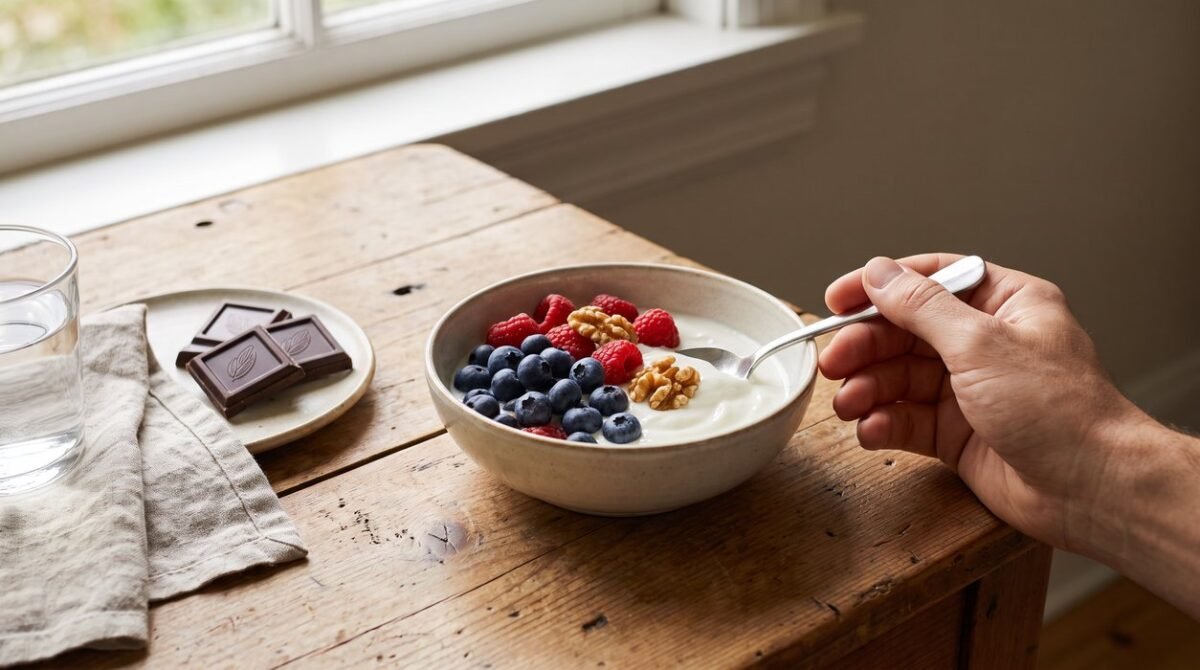
- Include the desired food deliberately. Put chocolate, dessert, or cereal in a bowl or on a plate, pair it if helpful, sit down, and eat it without turning the moment into a moral test.
- Make sleep and pain support easier. Keep a realistic bedtime cue, prepare any clinician-approved symptom relief, and lower unnecessary evening demands when your cycle pattern is predictable.
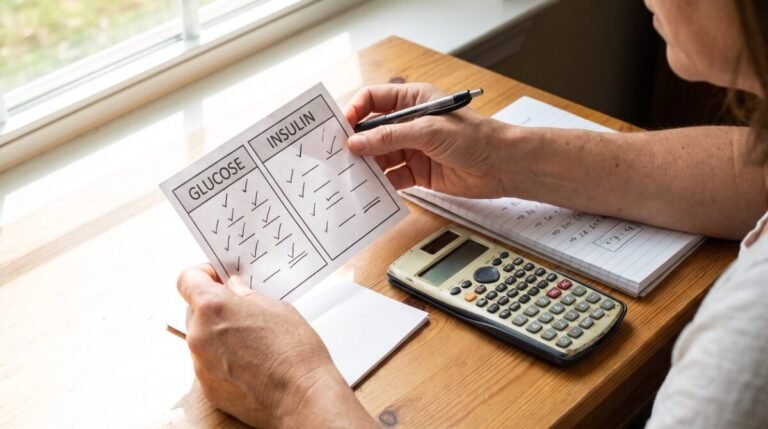
- Use data with curiosity. Note hunger, craving intensity, meal timing, sleep, mood, and cycle day. If you monitor glucose for medical reasons, record it separately rather than treating a craving as a glucose reading.
| Ask | What it may reveal | One useful response |
|---|---|---|
| When did I last eat? | Ordinary hunger or a long meal gap | Eat a meal or substantial snack |
| Do many foods sound good? | Broad hunger rather than one specific craving | Choose a balanced, satisfying option |
| Do I want one exact food? | A specific sensory or comfort craving | Include it intentionally if appropriate |
| Am I shaky, sweaty, weak, or confused? | Possible hypoglycemia in someone at risk | Follow the prescribed testing and treatment plan |
| Is this impairing my life every month? | PMS, PMDD, binge eating, or another condition needs assessment | Bring a symptom record to a clinician |
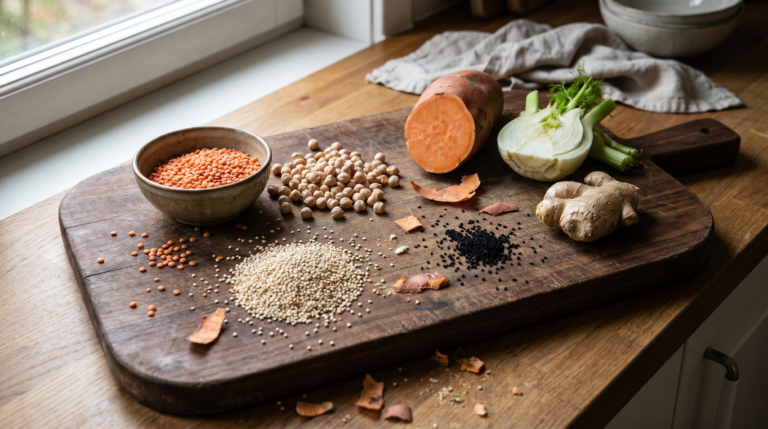
ACOG notes that complex-carbohydrate foods such as whole grains, beans, and lentils may help some PMS symptoms, and that changing meal timing may help some people.[1] This is an option, not proof that one nutrient fixes cravings.
For more meal-building ideas, use the guide to building steadier blood sugar patterns. Keep the approach flexible if strict tracking has ever intensified anxiety or disordered eating.
Track the Pattern, Not Every Bite
ACOG recommends recording symptoms and period dates daily for at least two to three months when evaluating possible PMS.[1] A short record can separate a recurring cycle-linked pattern from symptoms present throughout the month.
Use five simple fields: cycle day, craving intensity from zero to ten, general hunger, sleep quality, and symptoms that affected function. Add glucose only if it is already part of your medical care.
Avoid declaring one difficult evening a hormone problem. Look for repetition across cycles, then bring the record to an appointment if the pattern is disruptive or you need treatment adjustments.
When Cravings Deserve More Support
Contact a healthcare professional when symptoms repeatedly interfere with work, school, relationships, sleep, diabetes management, or your ability to eat regularly. PMS can overlap with depression, anxiety, thyroid disease, irritable bowel syndrome, perimenopause, and other conditions.[1]
PMDD is a severe premenstrual disorder involving significant mood symptoms and impaired functioning. ACOG’s clinical guideline describes multimodal treatment options, including medication, psychological counseling, exercise, nutrition approaches, education, and self-help strategies.[6]
Seek urgent help if you have thoughts of harming yourself, feel unable to stay safe, or experience severe confusion. If cravings involve recurrent loss of control, bingeing, purging, or compensatory restriction, ask for eating-disorder-informed care.
People with diabetes should contact their care team about repeated cycle-linked highs, lows, or changing insulin needs. Medication adjustments should be based on verified personal patterns and professional guidance.
Frequently Asked Questions
What cycle phase is linked with stronger appetite?
On average, research suggests energy intake may be higher in the luteal phase after ovulation and before menstruation. Individual cycles vary, and many studies have limitations in phase identification and intake measurement.[3]
Does craving chocolate mean I need magnesium?
No. A chocolate craving cannot diagnose a magnesium deficiency. Do not start high-dose supplements from a craving alone; discuss symptoms, diet, medications, and testing needs with a qualified professional.
Should I avoid all sugar before my period?
No universal guideline requires eliminating sugar. Regular, adequate meals and intentional portions may be more sustainable than strict avoidance, especially when restriction makes cravings or bingeing worse.
Can the menstrual cycle change insulin needs?
Some people with diabetes notice repeatable changes, but the evidence is heterogeneous and the direction is not identical for everyone. Track your own data and make medication changes only with your diabetes team.[4]
Could hormonal birth control change the pattern?
It can change bleeding, ovulation, symptoms, and glucose patterns, depending on the method and the person. Discuss new or severe symptoms and diabetes-treatment implications with the prescribing clinician.
Conclusion
Stronger premenstrual cravings can be a genuine recurring symptom, not evidence that your discipline disappears every month. Hormones may contribute, but insulin alone does not explain every craving.
Eat adequately, plan for the time cravings usually appear, include satisfying foods without shame, and track the pattern briefly. If symptoms disrupt your life or diabetes management, take that record to a qualified professional.
Medical Disclaimer: This article is for general educational purposes only and is not a substitute for personalized medical advice, diagnosis, or treatment. Speak with a qualified healthcare professional if you have symptoms, take medication, are pregnant or breastfeeding, or are considering major changes to your diet, supplements, or treatment plan.
References
- American College of Obstetricians and Gynecologists. Premenstrual Syndrome (PMS). Reviewed November 2025.
- Office on Women’s Health, U.S. Department of Health and Human Services. Premenstrual syndrome (PMS).
- Tucker JAL, et al. The Effect of the Menstrual Cycle on Energy Intake: A Systematic Review and Meta-analysis. Nutrition Reviews. 2025.
- Gamarra E, Trimboli P. Menstrual Cycle, Glucose Control and Insulin Sensitivity in Type 1 Diabetes: A Systematic Review. Journal of Personalized Medicine. 2023.
- American Diabetes Association. Blood Glucose and Insulin.
- American College of Obstetricians and Gynecologists. Management of Premenstrual Disorders. Clinical Practice Guideline No. 7. 2023.