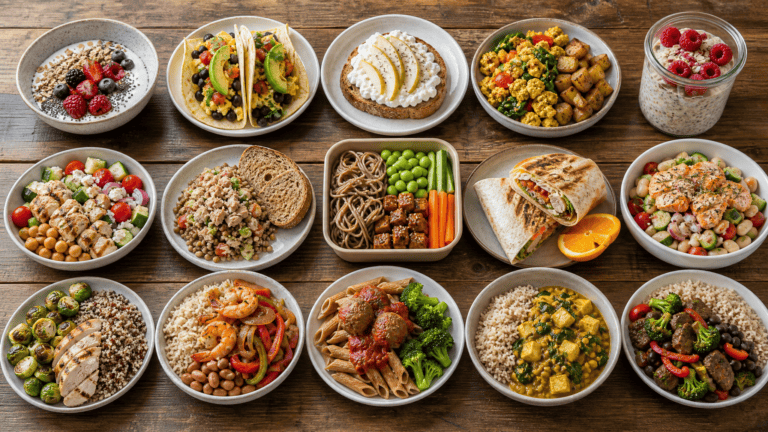
The Perimenopause Breakfast Formula for Better Energy and Fewer Cravings

If breakfast leaves you hungry an hour later—or if a rough night makes the pastry counter feel magnetic—you may wonder whether there is a special perimenopause breakfast that can fix your energy and cravings. There is no hormone-balancing miracle meal. There is, however, a practical way to make breakfast more substantial: combine a clear protein source, a fiber-rich carbohydrate or produce, a satisfying fat or flavor element, and enough total food for your morning.
Quick win: Look at your usual breakfast and add the missing anchor. Toast can stay; pair it with eggs, cottage cheese, tofu, or Greek yogurt. Oatmeal can stay; make it with milk or fortified soy milk and add yogurt, nuts, or seeds. If you are not hungry early, eat later or start smaller. Breakfast is a tool, not a test of discipline.
Why mornings can feel different in perimenopause
Perimenopause is the transition leading to menopause. Hormone patterns become less predictable, and many women notice changes in sleep, body temperature, mood, menstrual cycles, and appetite. Those experiences are real, but no single symptom proves that hormones are the only cause. Work stress, medication, alcohol, restrictive dieting, pain, thyroid conditions, anemia, depression, sleep apnea, and other health issues can also affect morning energy or hunger.
Sleep is especially relevant. Night sweats, insomnia, or an early wake-up can make the next morning harder before food enters the picture. A systematic review of sleep restriction and appetite-related hormones found that responses differ between studies and may vary by sex; the literature does not support one simple pathway from poor sleep to overeating. Still, tiredness can change food choices, perceived effort, and the appeal of quick energy.
Nutrition reviews focused on menopause generally support a balanced dietary pattern rich in minimally processed foods, protein sources, plants, and adequate calcium and vitamin D. They do not identify one required breakfast or a food that “resets” estrogen, cortisol, or metabolism. Treat your morning meal as one adjustable part of the whole day.
What the breakfast evidence can—and cannot—promise
A small randomized crossover study in 27 non-obese premenopausal women compared higher-protein and higher-carbohydrate breakfasts after habitual and shortened sleep. The higher-protein meal increased fullness after habitual sleep and reduced food cravings relative to the higher-carbohydrate meal, but its fullness advantage disappeared after sleep was curtailed. Neither breakfast changed total daily energy intake. The study is useful for generating practical ideas, not for promising outcomes in perimenopause.
Another crossover trial in 30 younger women with overweight or obesity found that a dairy-based, protein-rich breakfast improved fullness and concentration before lunch compared with skipping breakfast or eating a lower-protein breakfast. It did not reduce total daily food intake. In a separate small study of adults with overweight, changing breakfast protein and fiber did not significantly alter appetite or lunch intake. Together, these trials suggest that composition may influence how a morning feels, but responses are not uniform.
Breakfast itself is not mandatory. A crossover study of 18 women with overweight found that habitual breakfast eaters and habitual skippers responded differently when breakfast was omitted. Skipping produced less favorable hunger and post-lunch insulin responses mainly among habitual breakfast eaters. That finding argues for testing changes in the context of your normal pattern rather than declaring breakfast universally good or bad.
The honest takeaway is modest: a balanced breakfast may support fullness, concentration, or fewer cravings for some women, especially when the usual meal is small or carbohydrate-only. It does not guarantee stable energy, weight loss, or symptom relief. Your sleep, medication, health, activity, meal timing, and total intake still matter.
The four-part perimenopause breakfast formula
Use this as a flexible checklist. You do not need to count grams, buy special products, or include every food group in equal amounts.
1. Start with a recognizable protein anchor
Choose a portion that looks like a real part of the meal rather than a garnish. Options include eggs, Greek yogurt, cottage cheese, milk, fortified soy milk, tofu, tempeh, beans, lentils, fish, or leftover poultry. A protein powder can be convenient, but it is not required.
Protein may make breakfast more filling and can help distribute daily intake beyond dinner. The target is not a magical threshold. Needs vary with body size, age, activity, health conditions, and the rest of your day. If you want more ideas for strengthening the first meal, see these approved high-protein breakfast tips.
2. Add fiber-rich carbohydrate or produce
Oats, whole-grain bread, beans, berries, apples, pears, or vegetables bring carbohydrate, fiber, and micronutrients. Carbohydrate is not the enemy; it supplies accessible energy and can be particularly useful before activity. Fiber slows the eating experience and contributes to fullness, but increasing it too quickly can cause gas or discomfort. Add it gradually and drink according to thirst.
3. Include satisfying fat or flavor
Nuts, seeds, nut butter, avocado, olive oil, cheese, or a flavorful dressing can make breakfast enjoyable and substantial. Fat is energy-dense, which is useful when appetite is low, but portions can be adjusted if a rich meal feels heavy. Flavor also matters: cinnamon, herbs, salsa, cocoa, citrus, or spices can turn a functional meal into one you actually repeat.
4. Make sure the meal contains enough energy
A breakfast can contain protein and fiber yet still be too small. One spoonful of yogurt with a few berries may not carry you through a long morning. If you are regularly ravenous, distracted, shaky, or preoccupied with food well before lunch, consider whether the meal needs more total food—not just more protein. Persistent symptoms should be assessed rather than self-diagnosed as a “blood sugar crash.”
Breakfast combinations—not recipes
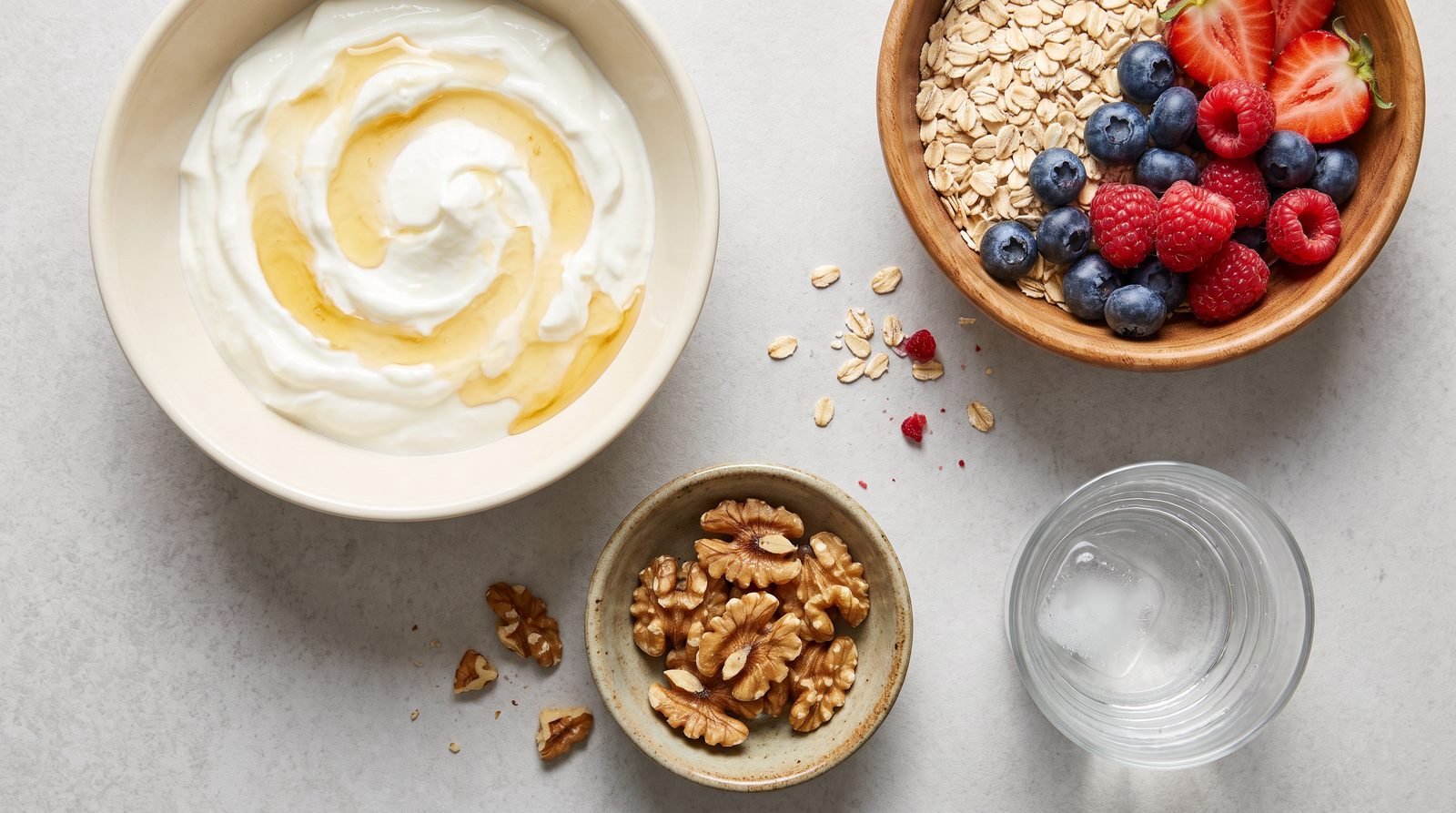
These examples show the formula in different forms. Adjust amounts, ingredients, and timing to your appetite, culture, budget, and medical needs:
- Yogurt bowl: Greek yogurt or fortified soy yogurt, oats, berries, and walnuts or seeds.
- Savory toast plate: whole-grain toast, eggs or tofu, tomato or greens, and avocado or olive oil.
- Warm oats: oats cooked with milk or fortified soy milk, topped with yogurt, pear, and nut butter.
- Leftover breakfast: beans, roasted vegetables, a grain, and eggs, tofu, fish, or poultry from dinner.
- Portable combination: plain yogurt, fruit, and nuts, with whole-grain crackers if you need more food.
- Small-appetite start: milk or fortified soy milk blended with yogurt and fruit, followed by toast or another snack later.
None of these combinations has special hormone-resetting power. Their advantage is structural: they provide more than quick carbohydrate alone and can be scaled up or down.
If you are not hungry—or already skip breakfast
Do not force a large meal at 7 a.m. You can move the first meal later, split it into two smaller eating occasions, or focus on making lunch balanced. If you feel well, meet your nutrient needs, and do not compensate with uncomfortable hunger later, breakfast skipping may not be a problem for you.
If you want to add breakfast, start with something familiar and modest for a week. Sudden changes can feel unpleasant simply because they differ from your routine. Conversely, if you usually eat breakfast and skipping leads to intense hunger, a headache, or an unplanned snack spiral, preserving the habit may be more useful than following a fasting trend.
Troubleshooting energy and cravings
You are hungry again quickly
Check all four parts. A fruit smoothie made mostly from juice may digest quickly; add yogurt, milk or soy milk, nut butter, and intact fruit. Toast with a thin spread may need eggs, cottage cheese, tofu, or beans. Also ask whether the portion is simply too small.
You crave sweets after a poor night
Respond with structure rather than punishment. Eat a normal breakfast, hydrate, and plan a balanced lunch. The small sleep-and-breakfast trial suggests that shortened sleep can erase some fullness benefit from a higher-protein meal, so do not interpret a hungry morning as failure. Protecting sleep and addressing night sweats may matter more than optimizing breakfast.

You feel an energy slump despite a balanced meal
Breakfast cannot overcome chronic sleep loss, dehydration, insufficient total intake, or every medical cause of fatigue. Track the pattern without diagnosing yourself. Seek clinical advice for persistent exhaustion, faintness, shortness of breath, heavy bleeding, new palpitations, or unexplained weight change.
You are worried about blood sugar
Pairing carbohydrate with protein, fiber, and fat can produce a more mixed meal, but individual glucose responses vary. If you have prediabetes, diabetes, take glucose-lowering medication, or experience suspected hypoglycemia, use personalized clinical guidance. This guide to perimenopause and insulin resistance explains the broader context without treating every craving as proof of insulin resistance.
A seven-day breakfast experiment
Choose one repeatable formula and test it for seven mornings when practical. Keep other changes minimal. You are looking for a useful pattern, not proving that a food is good or bad.
- Pick the easiest protein anchor. Buy or prepare enough for several days.
- Add one fiber-rich food. Use a familiar grain, fruit, bean, or vegetable.
- Add flavor or fat. Make the meal enjoyable enough to repeat.
- Rate three observations. Note fullness before lunch, concentration or perceived energy, and the intensity of cravings. A simple low/medium/high rating is enough.
- Record sleep quality. This helps you notice when a rough night changes the result.
- Adjust one variable. If hunger returns early, increase the protein anchor or total amount rather than rebuilding everything.
At the end of the week, keep the parts that helped and discard the ones that added effort without benefit. Seven days cannot establish a medical effect, but it can reveal whether a breakfast is practical for you.
Frequently asked questions
Does a perimenopause breakfast need 30 grams of protein?
No universal breakfast target applies to every woman. Thirty grams appears in some studies and meal plans, but your appropriate amount depends on daily needs, appetite, body size, activity, health, and other meals. A recognizable protein anchor is a more flexible starting point.
Is breakfast required for weight loss in perimenopause?
No. Randomized evidence does not support breakfast as a stand-alone weight-loss strategy. Meal quality, total intake, sleep, activity, medication, and adherence matter. Eat breakfast if it improves your day; do not force it solely because it is labeled essential.
Should I avoid fruit or oats because of blood sugar?
Not automatically. Whole fruit and oats provide useful nutrients and fiber. Pair them with protein and, if desired, nuts or seeds. People with diabetes or specific glucose targets should follow individualized advice rather than generic food bans.
Can breakfast reduce hot flashes?
No specific breakfast is proven to prevent hot flashes. Some people identify personal triggers such as alcohol, spicy foods, or hot beverages, but experiences vary. Discuss disruptive vasomotor symptoms with a clinician because effective treatment options exist.
Build a morning that supports you
A useful perimenopause breakfast is not a cure, a metabolism reset, or a moral achievement. It is a flexible meal with a protein anchor, fiber-rich carbohydrate or produce, satisfying flavor or fat, and enough energy for the morning ahead. Test the formula against your real sleep, appetite, schedule, and symptoms. If it helps, repeat it. If breakfast does not suit you, apply the same balanced structure to your first meal later in the day.
Medical Disclaimer: This article is for general educational purposes only and is not a substitute for personalized medical advice, diagnosis, or treatment. Speak with a qualified healthcare professional if you have persistent symptoms, take medication, have diabetes or another health condition, are pregnant or breastfeeding, or are considering major changes to your diet, supplements, or treatment plan.
Sources
- Liu Y, Guo X. Nutrition and metabolic health in menopause: a comprehensive review. Frontiers in Nutrition. 2025;12:1702105. PMID: 41473185. doi:10.3389/fnut.2025.1702105.
- Yang CL, Tucker RM. Beneficial effects of a high protein breakfast on fullness disappear after a night of short sleep in nonobese, premenopausal women. Physiology & Behavior. 2021;229:113269. PMID: 33259829. doi:10.1016/j.physbeh.2020.113269.
- Dalgaard LB, et al. A dairy-based, protein-rich breakfast enhances satiety and cognitive concentration before lunch in overweight to obese young females: A randomized controlled crossover study. Journal of Dairy Science. 2024;107(5):2653-2667. PMID: 38135050. doi:10.3168/jds.2023-24152.
- Sayer RD, et al. Effects of Dietary Protein and Fiber at Breakfast on Appetite, ad Libitum Energy Intake at Lunch, and Neural Responses to Visual Food Stimuli in Overweight Adults. Nutrients. 2016;8(1):21. PMID: 26742068. doi:10.3390/nu8010021.
- Thomas EA, et al. Usual breakfast eating habits affect response to breakfast skipping in overweight women. Obesity. 2015;23(4):750-759. PMID: 25755093. doi:10.1002/oby.21049.
- Alfikany M, et al. The Role of Sex in the Impact of Sleep Restriction on Appetite- and Weight-Regulating Hormones in Healthy Adults: A Systematic Review of Human Studies. Clocks & Sleep. 2025;7(3):39. PMID: 40843663. doi:10.3390/clockssleep7030039.