A 7-Day High-Fiber Meal Plan for Beginners
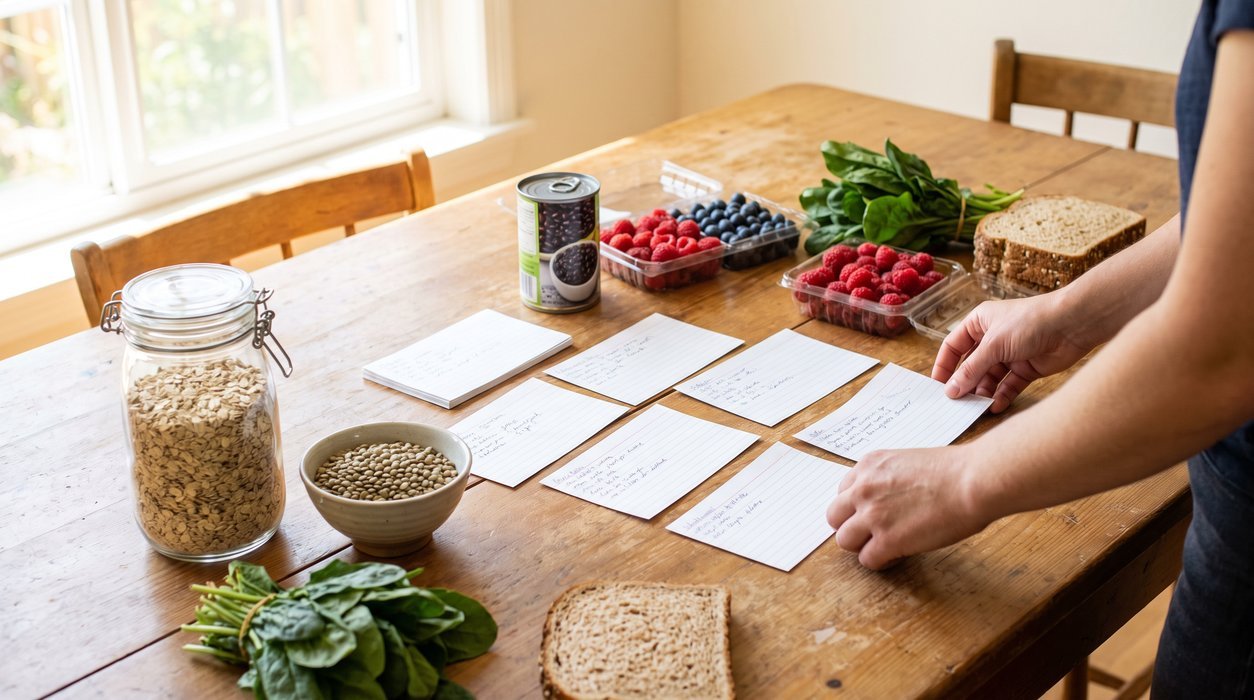
Feeling hungry soon after breakfast, crashing in the afternoon, or grazing through random snacks can make healthy eating feel harder than it needs to. This may not be random; many everyday meals are low in fiber, protein, and slow-digesting carbohydrates. The encouraging news: a high fiber meal plan for beginners can make meals feel steadier without turning eating into a tracking project.
What Is a High Fiber Meal Plan for Beginners?
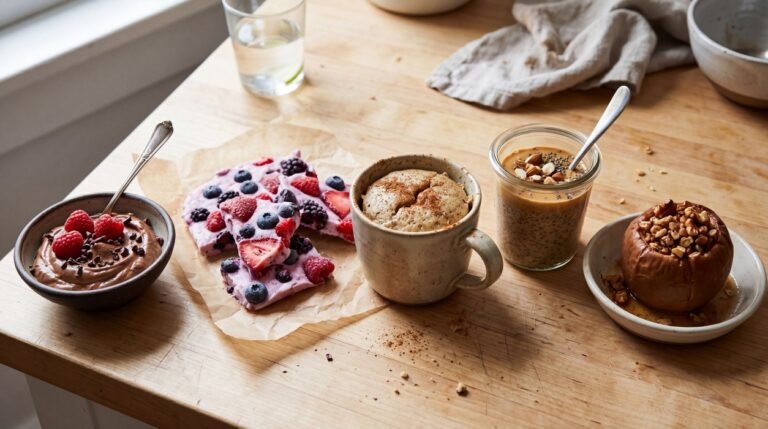
A high fiber meal plan for beginners is a simple structure built around oats, beans, lentils, vegetables, fruit, whole grains, nuts, and seeds. This 7-day version helps you add fiber gradually so meals feel filling, realistic, and easier on digestion.
The goal is not to force a perfect diet overnight. Many people notice better fullness and more predictable digestion within the first week, while changes in blood sugar, cholesterol, or weight usually need more consistent time.
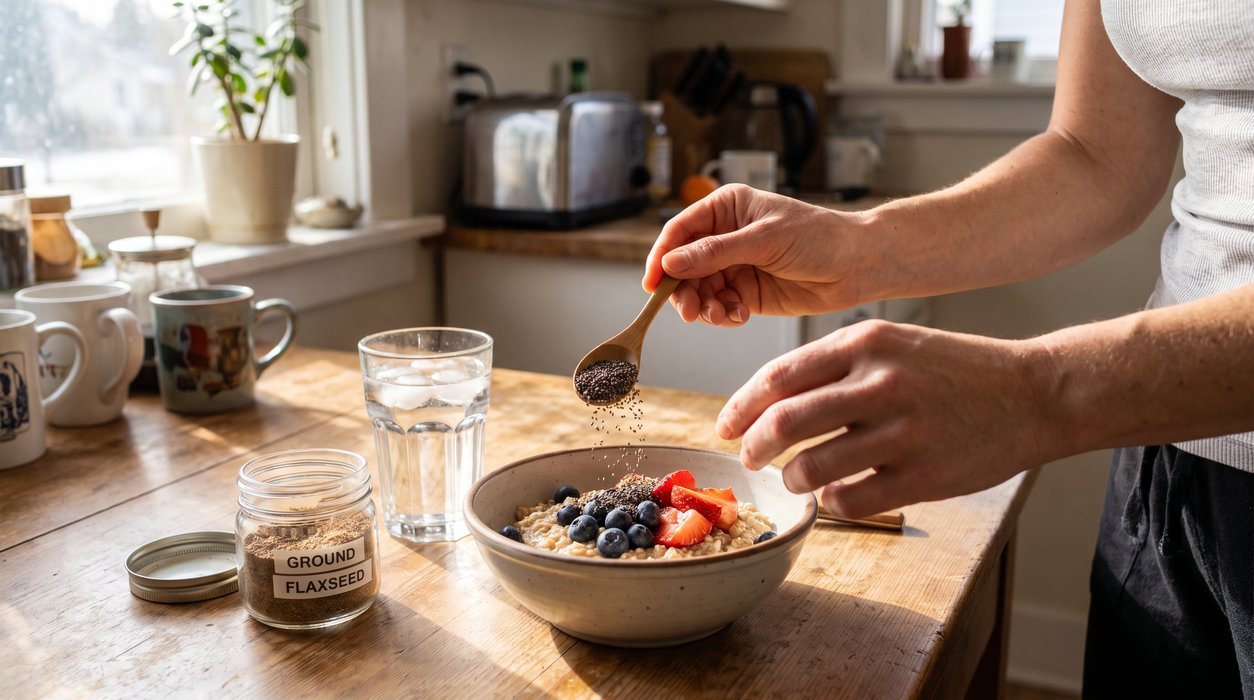
Quick Win: Add 1 tablespoon of chia seeds or ground flaxseed to breakfast today, then drink an extra glass of water with that meal to help your body adjust comfortably.
Key Takeaways
- A beginner-friendly fiber plan should increase fiber gradually, especially from beans, lentils, seeds, and whole grains.
- Fiber-rich meals may support steadier blood sugar when paired with protein and healthy fats.[1]
- Cooked vegetables, oats, lentil soup, berries, and canned beans are often easier starting points than huge raw salads.
- Water, portion size, and meal spacing matter when fiber intake increases.
- The best plan is the one you can repeat without feeling restricted or uncomfortable.
Why Fiber Matters for Blood Sugar and Fullness
Dietary fiber is the part of plant foods the body does not fully digest. Some types dissolve and form a gel-like texture, while others add bulk and help support regular digestion.
Fiber-rich foods usually digest more slowly than refined grains or sugary snacks. That slower digestion may help soften the rise in blood glucose after eating, especially when the meal also contains protein or healthy fats.[1]
Fiber also supports fullness because many high-fiber foods add volume, require more chewing, and slow the pace of a meal. A lentil bowl with vegetables and quinoa usually feels different from a small refined snack, even when both contain carbohydrates.
Systematic reviews link higher-fiber eating patterns with better cardiometabolic outcomes, including markers related to cholesterol, body weight, and glucose control.[2] The strongest everyday pattern is still simple: more whole plant foods, fewer highly refined choices.
Soluble vs. insoluble fiber in normal meals
Soluble fiber is found in oats, beans, lentils, apples, chia seeds, and barley. It is often discussed for glucose and cholesterol support because it can slow digestion.
Insoluble fiber is found in vegetables, wheat bran, nuts, seeds, and many whole grains. It helps add bulk and can support bowel regularity.
Most whole plant foods contain a mix of both. Beginners do not need to memorize the categories; variety handles most of the work.
How Beginners Should Start Eating More Fiber
The easiest way to begin is to add fiber in layers. Start with one high-fiber breakfast, one bean or lentil meal, and one fruit or vegetable snack each day.
Adequate Intake guidance commonly uses about 14 grams of fiber per 1,000 calories as a reference point, with daily needs varying by age, sex, and energy intake.[3] Beginners often feel better moving toward that level over several weeks.
- Increase fiber gradually rather than doubling intake overnight.
- Drink water regularly, especially with oats, chia, beans, and lentils.
- Pair high-fiber carbohydrates with protein or healthy fats.
- Use cooked vegetables if raw vegetables feel too harsh at first.
- Reduce portions temporarily if bloating, cramping, or sudden bowel changes appear.
One thing worth pushing back on here: high fiber does not have to mean eating huge salads all day. Salads can help, but cooked oats, soups, lentil bowls, roasted vegetables, berries, and whole-grain toast are often easier for beginners to tolerate.
This matters because consistency usually improves when meals are warm, satisfying, and familiar. This is not a personal failure; your gut may simply need time to adapt.
The 7-Day High-Fiber Meal Plan
This high fiber meal plan for beginners uses simple meals that can be mixed and matched. Portions can be adjusted for appetite, body size, activity level, blood sugar goals, and medical needs.
Adults taking glucose-lowering medication, managing kidney disease, following a low-FODMAP plan, or dealing with active gastrointestinal symptoms should personalize this with a qualified clinician or registered dietitian.
| Day | Breakfast | Lunch | Dinner | Snack |
|---|---|---|---|---|
| Day 1 | Oatmeal with chia seeds, blueberries, and cinnamon | Turkey, hummus, or tofu whole-grain wrap with spinach and cucumber | Salmon or tempeh with roasted sweet potato and broccoli | Apple slices with peanut butter |
| Day 2 | Greek-style yogurt or soy yogurt with raspberries and ground flaxseed | Lentil soup with whole-grain toast | Chicken, tofu, or beans over brown rice with sautéed peppers | Carrots with hummus |
| Day 3 | Whole-grain toast with avocado and eggs or white beans | Quinoa bowl with chickpeas, greens, tomato, olives, and lemon dressing | Turkey, lentil, or bean chili with a vegetable side | Pear with walnuts |
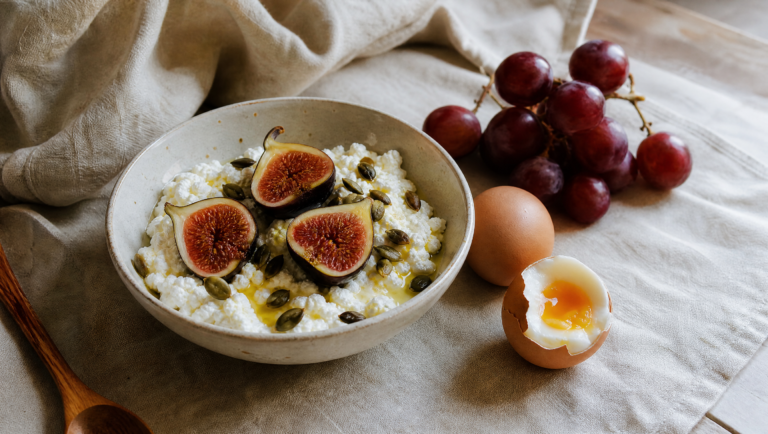
| Day 4 | Overnight oats with chia, strawberries, and pumpkin seeds | Leftover chili over greens or brown rice | Whole-wheat pasta with tomato sauce, vegetables, and white beans | Cottage cheese or soy yogurt with berries |
| Day 5 | Smoothie with spinach, berries, yogurt, and ground flaxseed | Black bean and corn salad with avocado and greens | Stir-fry with tofu, chicken, or shrimp, vegetables, and barley | Air-popped popcorn or roasted edamame |
| Day 6 | Oatmeal with sliced apple, cinnamon, and almond butter | Tuna, chickpea, or tofu salad on whole-grain bread | Lentil curry with cauliflower, spinach, and brown rice | Orange with pistachios |
| Day 7 | Vegetable omelet or tofu scramble with whole-grain toast | Mediterranean bean bowl with cucumber, tomato, greens, and tahini yogurt sauce | Baked potato topped with beans, salsa, avocado, and greens | Berries with chia pudding |
Meal idea: Keep one “fiber anchor” ready each week, such as lentil soup, bean chili, cooked barley, or overnight oats. This makes high-fiber meals easier when the day gets busy.
How to adjust the plan for blood sugar balance
For blood sugar balance, the structure of the plate matters as much as the fiber count. A practical plate might include non-starchy vegetables, protein, a high-fiber carbohydrate, and a small amount of healthy fat.
Examples include oats with yogurt and berries, lentils with vegetables and olive oil, or whole-grain toast with avocado and eggs. For snack support, use similar protein-fiber-fat pairings found in blood sugar stabilizing snacks.
How to adjust the plan for appetite and weight management
Fiber may support weight management by making meals more filling, but it should not become another rigid rule. The bigger win is often replacing low-fiber snacks with meals that contain protein, plants, and enough volume to feel satisfying.
People with larger appetites may need bigger protein portions or more non-starchy vegetables. People with lower energy needs may choose smaller portions of grains while keeping beans, vegetables, and protein in the meal.
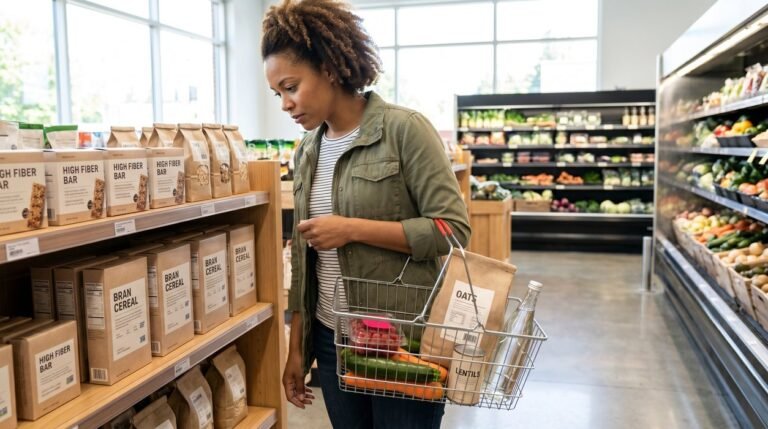
Beginner High-Fiber Shopping List
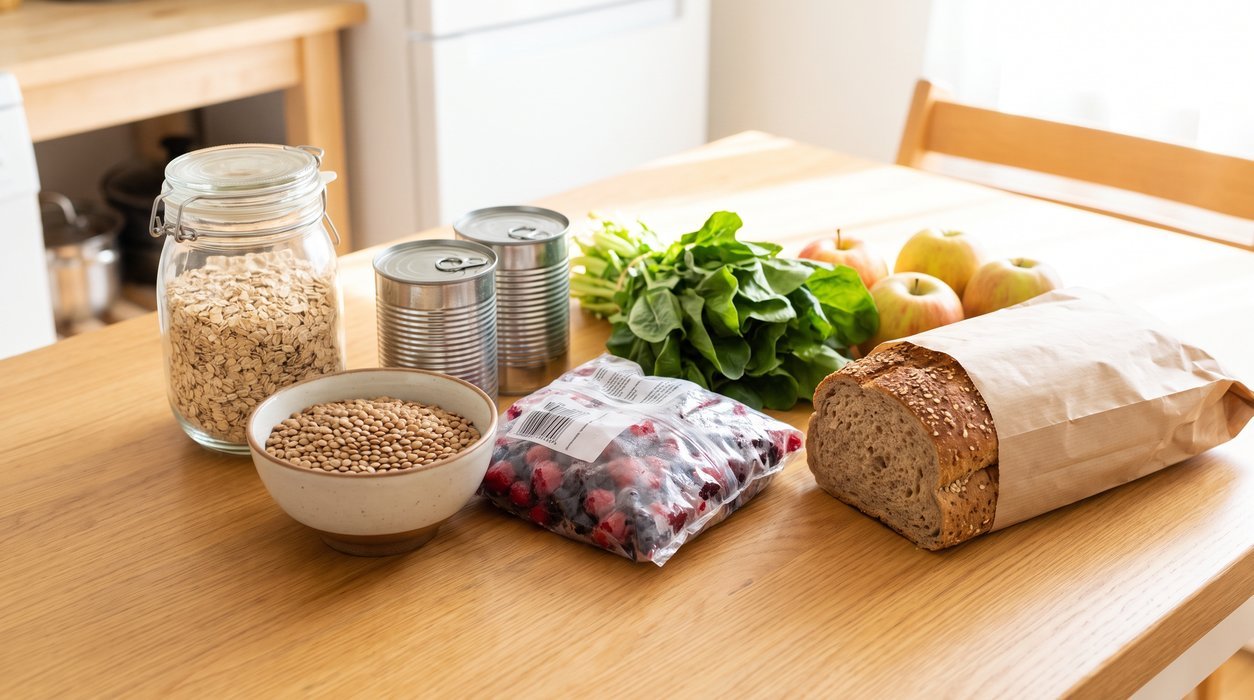
A beginner shopping list should make high-fiber foods easy to repeat. Choose ingredients that can become breakfast, bowls, soups, wraps, and quick snacks.
| Category | Beginner-Friendly Options |
|---|---|
| Whole grains | Oats, brown rice, quinoa, barley, whole-grain bread, whole-wheat pasta |
| Beans and lentils | Black beans, chickpeas, white beans, lentils, split peas, edamame |
| Fruits | Berries, apples, pears, oranges, kiwi |
| Vegetables | Broccoli, spinach, carrots, peppers, cauliflower, sweet potatoes, greens |
| Nuts and seeds | Chia seeds, ground flaxseed, pumpkin seeds, walnuts, almonds, pistachios |
| Proteins | Eggs, fish, chicken, tofu, tempeh, yogurt, cottage cheese, beans |
Beans, peas, and lentils are especially useful because they can count as plant protein sources and fiber-rich vegetable choices in MyPlate guidance.[4]
Convenience matters. Frozen vegetables, microwave brown rice, canned lentils, pre-washed greens, and no-sugar-added frozen berries can make this plan easier to follow on busy days.
What to Limit When Starting a High-Fiber Plan
The goal is not to ban foods. The goal is to reduce the choices that make the first week harder, especially when digestion is still adjusting.
- Very large bean portions at first: Start with ¼ to ½ cup if you are not used to legumes.
- Huge raw salads: Cooked vegetables may feel gentler during the first week.
- High-fiber bars with isolated fibers: Some people tolerate whole foods better than added fiber ingredients.
- Low-fluid days: Fiber feels better when water intake is steady.
- All-or-nothing rules: A small repeatable change is more useful than a perfect day followed by discomfort.
Isolated and synthetic fiber products can help some people, but results vary across fiber types, doses, and study designs.[5] For most beginners, whole foods are the better starting point.
If bloating is your main barrier, start with gentler ways to add fiber such as oats, berries, cooked carrots, potatoes with skin, chia in small amounts, or well-rinsed canned lentils.
What Changes You May Notice in the First Week
In the first few days, the most noticeable change may be digestive. Some people feel fuller sooner, have more regular bowel movements, or notice less urge to snack between meals.
Others may feel bloated if fiber increases too quickly. That does not mean high-fiber eating is wrong; it may mean the pace needs to slow down.
Many people notice that breakfast becomes more filling when oats, chia, berries, or whole-grain toast replace low-fiber options. Early signs often include steadier appetite, fewer energy dips, or more predictable digestion.
Blood sugar changes, cholesterol changes, and weight-related changes usually require more than one week. Research suggests higher-fiber patterns may support metabolic health, but meaningful shifts depend on consistency, sleep, movement, stress, medication use, and overall dietary pattern.[6]
What to do if fiber causes discomfort
Start by reducing the biggest fiber jump. Use half a cup of beans instead of a full cup, or choose cooked vegetables instead of a large raw salad.
Spread fiber across the day rather than placing most of it in one meal. Water intake also matters because fiber works best when fluid intake is adequate.
If discomfort is severe, persistent, or linked with unexplained weight loss, blood in stool, ongoing diarrhea, or significant pain, medical guidance is important. A meal plan should never override symptoms that need evaluation.
How to Keep Going After Day 7
After day 7, keep the structure and rotate the ingredients. This is easier than creating a brand-new plan every week.
- Pick two breakfasts: oatmeal and yogurt bowls are easy starting points.
- Cook one fiber anchor: lentil soup, chili, or beans can support several meals.
- Prep one grain: brown rice, quinoa, or barley can become bowls, sides, or salads.
- Keep snack fiber visible: place fruit, nuts, hummus, or roasted edamame where they are easy to choose.
- Repeat meals that work: consistency lowers decision fatigue.
The plan can also be adjusted for culture, budget, and preference. High-fiber eating can include dal, bean tacos, minestrone, chickpea salad, porridge, grain bowls, vegetable stews, or whole-grain sandwiches.
Frequently Asked Questions
Is a high fiber meal plan for beginners good for blood sugar?
A high fiber meal plan for beginners may support steadier blood sugar responses because fiber slows digestion and helps balance carbohydrate-containing meals. It works best when high-fiber foods are paired with protein and healthy fats. People with diabetes, prediabetes, or glucose-lowering medication should personalize portions with a qualified healthcare provider.
How much fiber should a beginner eat per day?
Many adults eventually aim toward fiber intakes based on overall energy needs, often around 14 grams per 1,000 calories. Beginners may feel better increasing gradually instead of trying to reach a high number immediately. Adding one fiber-rich food per meal is usually more comfortable than making every meal very high fiber at once.
What are the best high-fiber foods for beginners?
Oats, berries, apples, lentils, beans, chia seeds, ground flaxseed, vegetables, and whole-grain bread are beginner-friendly choices. Cooked vegetables and canned beans may be easier to tolerate than very large raw salads. The best foods are the ones that can be repeated without making meals feel stressful.
Can high-fiber eating cause bloating?
Yes, bloating can happen when fiber intake rises quickly, especially from beans, lentils, cruciferous vegetables, or large amounts of seeds. A slower increase, smaller portions, cooked vegetables, and enough water may help. Persistent or severe digestive symptoms should be discussed with a healthcare professional.
Conclusion
A high-fiber plan does not need to be complicated to be useful. Start with familiar meals, add fiber gradually, and pair high-fiber carbohydrates with protein and healthy fats.
The best high fiber meal plan for beginners is the one that fits real mornings, real grocery trips, and real hunger. Keep what works, adjust what does not, and let consistency do more of the work than willpower.
Medical Disclaimer: The information provided in this article is for educational purposes only and does not constitute medical advice. Always consult a qualified healthcare provider before making changes to your diet, lifestyle, or treatment plan. TheMetabolicHub.com does not replace professional medical guidance.
References
- Centers for Disease Control and Prevention. Fiber: The Carb That Helps You Manage Diabetes. 2024. CDC
- Reynolds A, Mann J, Cummings J, Winter N, Mete E, Te Morenga L. Carbohydrate quality and human health: a series of systematic reviews and meta-analyses. Lancet. 2019. PMID: 30638909
- Dietary Guidelines Advisory Committee. Nutrient Profile Development Basis. Dietary fiber goal based on 14 g per 1,000 kcal. 2024. DietaryGuidelines.gov
- USDA MyPlate. Protein Foods: Beans, Peas, and Lentils. MyPlate
- Barber TM, Kabisch S, Pfeiffer AFH, Weickert MO. The health benefits of dietary fibre. Nutrients. 2020. PMID: 33096647
- Reynolds AN, Akerman AP, Mann J. Dietary fibre and whole grains in diabetes management: systematic review and meta-analyses. PLOS Medicine. 2020. PMID: 32142510