15 Common Foods That Can Cause Unexpected Glucose Spikes
Feeling foggy, tired, shaky, or hungry soon after a “normal” meal can be frustrating, especially when the food looked light or healthy. This may not be random. The encouraging news: understanding foods that spike blood sugar can help you adjust meals without fearing every carbohydrate.
Many everyday foods can raise glucose quickly when they are refined, low in fiber, liquid, oversized, or eaten alone. That does not make them forbidden; it means the meal may need more protein, fiber, fat, or a smaller portion.
Quick Win: Pick one high-carb food you eat often this week and pair it with protein, fiber, or healthy fat before changing anything else.
Which foods that spike blood sugar are most common?
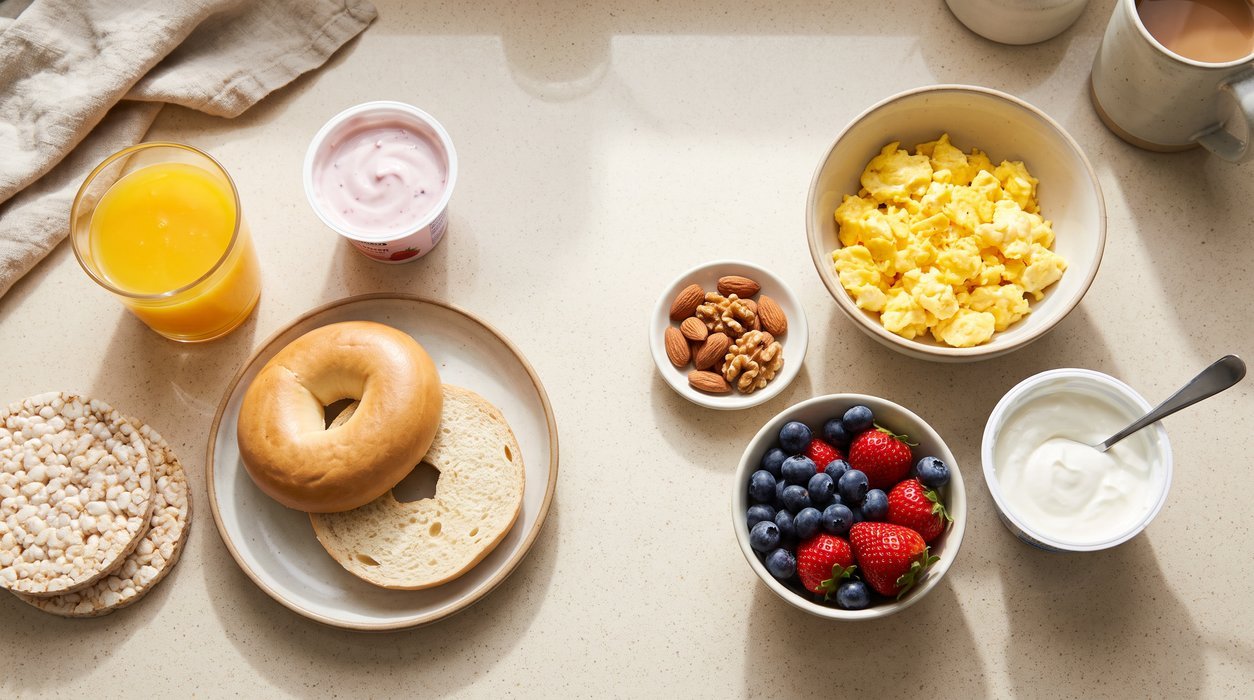
The most common foods that spike blood sugar include white rice, white bread, bagels, sweet cereals, fruit juice, large smoothies, dried fruit, potatoes, rice cakes, flavored yogurt, refined pasta, wraps, crackers, sweet coffee drinks, and sugary sauces.
These foods often raise glucose faster when eaten in large portions or without protein, fiber, or fat. Many people notice fewer energy dips within days or weeks when they balance these foods instead of simply removing them.
Glycemic index and glycemic load can help explain why some carbohydrate foods raise blood sugar faster than others. Still, real-life response also depends on sleep, stress, activity, meal timing, medication use, and insulin sensitivity.[1]
15 common foods that can raise glucose quickly
The goal is pattern recognition, not food fear. If one food repeatedly leaves you tired, hungry, or craving more, the first step is usually changing the portion or pairing.
| Food | Why it may spike glucose | More balanced option |
|---|---|---|
| White rice | Low fiber and easy to over-portion | Smaller serving with protein, vegetables, and fat |
| Instant oats | More processed and faster to digest | Old-fashioned oats with Greek yogurt, chia, or nuts |
| White bread and bagels | Refined flour with limited fiber | Higher-fiber bread with eggs, avocado, or cottage cheese |
| Breakfast cereal | Often sweetened, refined, and eaten quickly | High-fiber cereal with unsweetened yogurt and berries |
| Fruit juice | Liquid sugar without the fiber structure of whole fruit | Whole fruit with a protein-rich meal |
| Smoothies | Can concentrate several servings of fruit | Add protein, greens, chia, and limit fruit portions |
| Dried fruit | Concentrated carbohydrate in a small volume | Use a small amount with nuts or seeds |
| Potatoes | Starchy and often eaten in large portions | Pair with protein, salad, and olive oil dressing |
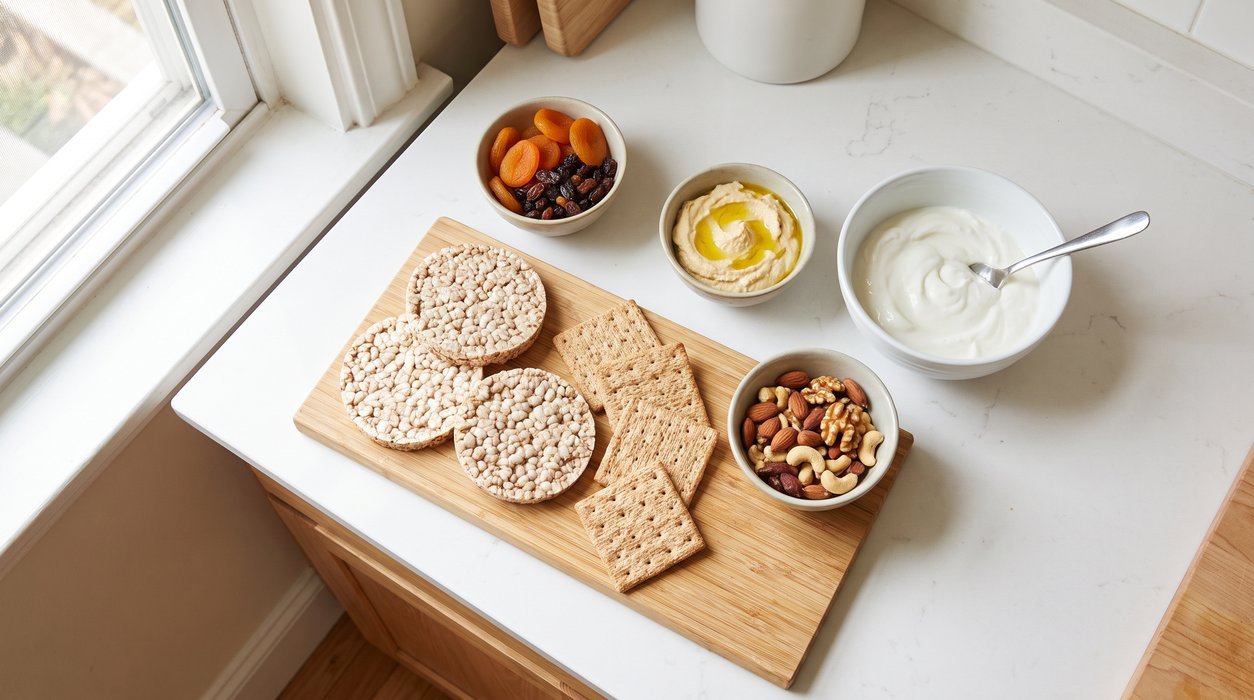
| Rice cakes | Light but rapidly digested | Top with nut butter, tuna, hummus, or avocado |
| Flavored yogurt | May contain added sugars | Plain Greek yogurt with berries and cinnamon |
| Refined pasta | Large servings create a higher glycemic load | Smaller serving with vegetables, protein, and olive oil |
| Wraps and tortillas | Can contain more refined starch than expected | Smaller high-fiber wrap with protein and vegetables |
| Crackers and pretzels | Refined starch with little protein or fiber | Pair with hummus, cheese, tuna, eggs, or vegetables |
| Sweet coffee drinks | Liquid sugar can add up quickly | Use less syrup or choose unsweetened milk-based coffee |
| Sauces and condiments | Hidden sugars can accumulate across a meal | Choose lower-sugar sauces, vinegar, salsa, herbs, or tahini |
1. White rice
White rice is affordable, familiar, and part of many cuisines. It may raise glucose quickly when the portion is large and the plate is missing protein, vegetables, or fat.
A steadier plate might include a smaller rice portion with chicken, tofu, fish, eggs, beans, or tempeh. Add non-starchy vegetables and olive oil, avocado, or sesame dressing for more staying power.
2. Instant oats
Oats can be nutritious, but instant versions are broken into smaller pieces and digest faster. Flavored packets may also include added sugars.
Old-fashioned or steel-cut oats are often steadier. Add Greek yogurt, protein powder, nuts, chia, or ground flax to make the meal more balanced.
3. White bread and bagels
A large bagel can deliver a significant refined-carbohydrate load before any topping is added. White toast with jam can have a similar effect.
Try smaller portions or higher-fiber bread. Pair it with eggs, smoked salmon, cottage cheese, avocado, nut butter, or tofu scramble.
4. Breakfast cereal and granola
Many cereals and granolas look wholesome but combine refined grains, dried fruit, syrups, and small serving sizes that are easy to exceed. This can lead to a quick glucose rise followed by hunger.
Look for higher fiber, lower added sugar, and a meaningful protein source. Plain yogurt, kefir, nuts, seeds, or eggs can make breakfast more satisfying.
5. Fruit juice
Fruit juice contains vitamins and plant compounds, but it removes much of the chewing and fiber structure found in whole fruit. It is also easy to drink quickly.
Whole fruit is usually more filling because it contains water, fiber, and volume. Observational evidence has linked habitual sugar-sweetened beverages and fruit juice intake with higher type 2 diabetes risk, though individual risk depends on the whole diet and lifestyle.[3]
6. Smoothies
Smoothies can be helpful or surprisingly glucose-heavy. A large smoothie with banana, mango, dates, honey, oat milk, and juice can combine several carbohydrate sources in one drink.
A steadier smoothie uses unsweetened liquid, one modest fruit portion, protein, greens, and seeds. It should feel more like a balanced mini-meal than a sweet beverage.
7. Dried fruit
Dried fruit is compact and easy to overeat. Because water is removed, a small handful can contain the carbohydrate equivalent of a much larger portion of fresh fruit.
Dates, raisins, dried mango, and dried cranberries are common examples. Keep the portion small and pair it with nuts or seeds.
8. Potatoes
Potatoes are whole foods, but they are also rich in starch. Large baked potatoes, fries, and mashed potatoes can raise glucose more than expected, especially without protein or vegetables.
Preparation matters. Keeping skins on, choosing smaller portions, adding a salad, and including protein can change the overall meal response.
9. Rice cakes
Rice cakes feel light because they are airy and low in calories. That does not always mean they are gentle on glucose.
Eat them as a base, not the whole snack. Add peanut butter, hummus, tuna, avocado, cheese, or a higher-protein topping.
10. Flavored yogurt
Yogurt can provide protein and calcium, but flavored versions may contain added sugars. “Light” or fruit-on-the-bottom products can still be sweet enough to affect glucose.
Plain Greek yogurt or skyr with berries, cinnamon, nuts, or seeds is often steadier. The protein may also help with fullness.
11. Refined pasta
Pasta does not affect everyone the same way. Portion size, cooking time, sauce, protein, and vegetables all influence the glucose response.
A large bowl of refined pasta with low-protein sauce may be harder on blood sugar balance than a smaller portion with vegetables, olive oil, seafood, lentils, chicken, or tofu.
12. Wraps and tortillas
Wraps are often perceived as lighter than bread, but some large tortillas contain a significant amount of refined flour. The filling may also include rice, sweet dressing, or sugary sauces.
Choose smaller wraps or higher-fiber versions. Let protein and vegetables do most of the work inside the meal.
13. Crackers and pretzels
Crackers and pretzels are easy to snack on mindlessly. Many are made from refined flour and provide little protein or fiber.
Treat them as a side rather than the full snack. Hummus, cottage cheese, tuna, boiled eggs, nut butter, or vegetables can make the snack more balanced.
14. Sweet coffee drinks
Coffee itself is not the main issue for most people. The glucose surprise often comes from syrups, sweetened creamers, whipped toppings, and large serving sizes.
Gradually reducing syrup pumps or choosing unsweetened milk-based coffee can be easier than quitting sweet drinks overnight. This is not a personal failure; liquid sugar is simply easy to underestimate.
15. Sauces, dressings, and condiments
Barbecue sauce, teriyaki sauce, ketchup, sweet chili sauce, and some bottled dressings can add hidden sugars. Small amounts may not matter much, but daily use can accumulate.
Check labels when a sauce is part of your routine. Vinegar-based dressings, mustard, salsa, tahini, herbs, spices, and olive oil can add flavor with less added sugar.
Why “healthy” foods can still spike glucose
A food can contain nutrients and still raise glucose quickly. This is especially true when it is processed into flour, blended into liquid, low in fiber, eaten in a large portion, or eaten by itself.
Glycemic index ranks how quickly carbohydrate foods can raise blood glucose, while glycemic load also considers the amount of carbohydrate in a serving. Reliable GI and GL tables show that responses vary widely by food, processing, and serving context.[2]
One thing worth pushing back on here: many people assume only sugar causes glucose spikes. Refined starch can also break down into glucose quickly, so a “no added sugar” label does not automatically mean a food is gentle on blood sugar.
This matters because someone may avoid dessert but still struggle with large portions of white rice, pretzels, juice, bagels, or sweet coffee drinks. The practical question is not “Is this food good or bad?” but “How does this food behave in my real meal?”
If you want to understand whether your symptoms match a normal or concerning pattern, this guide to post-meal glucose rises explains what can happen after eating.
How to reduce glucose spikes without cutting every carb
Reducing glucose spikes does not require eliminating all carbohydrates. For many adults, the first helpful step is building meals that digest more slowly and feel satisfying longer.
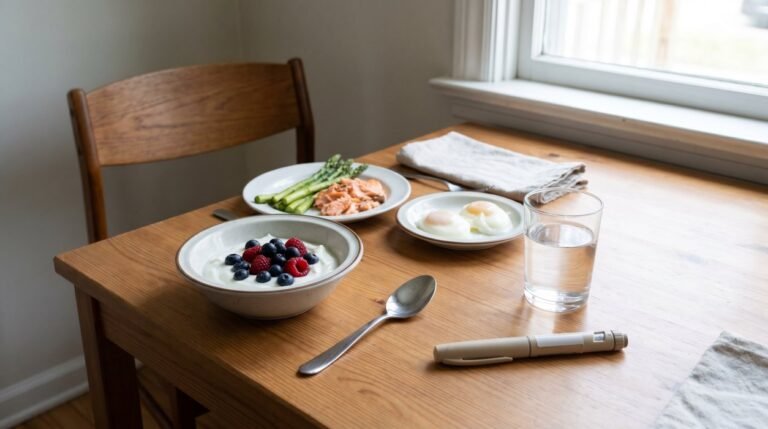
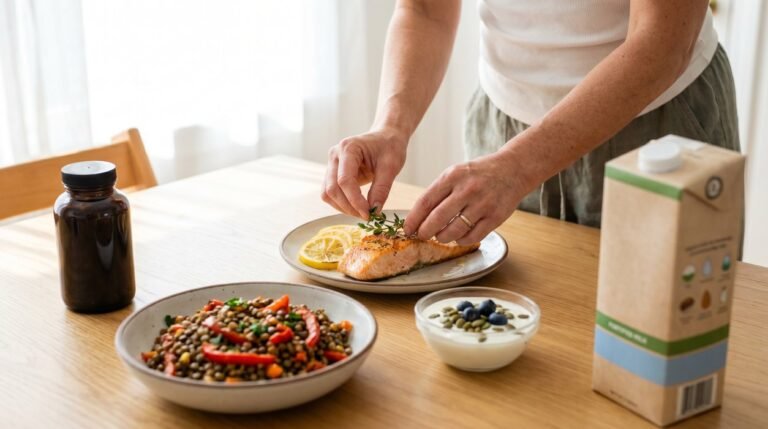
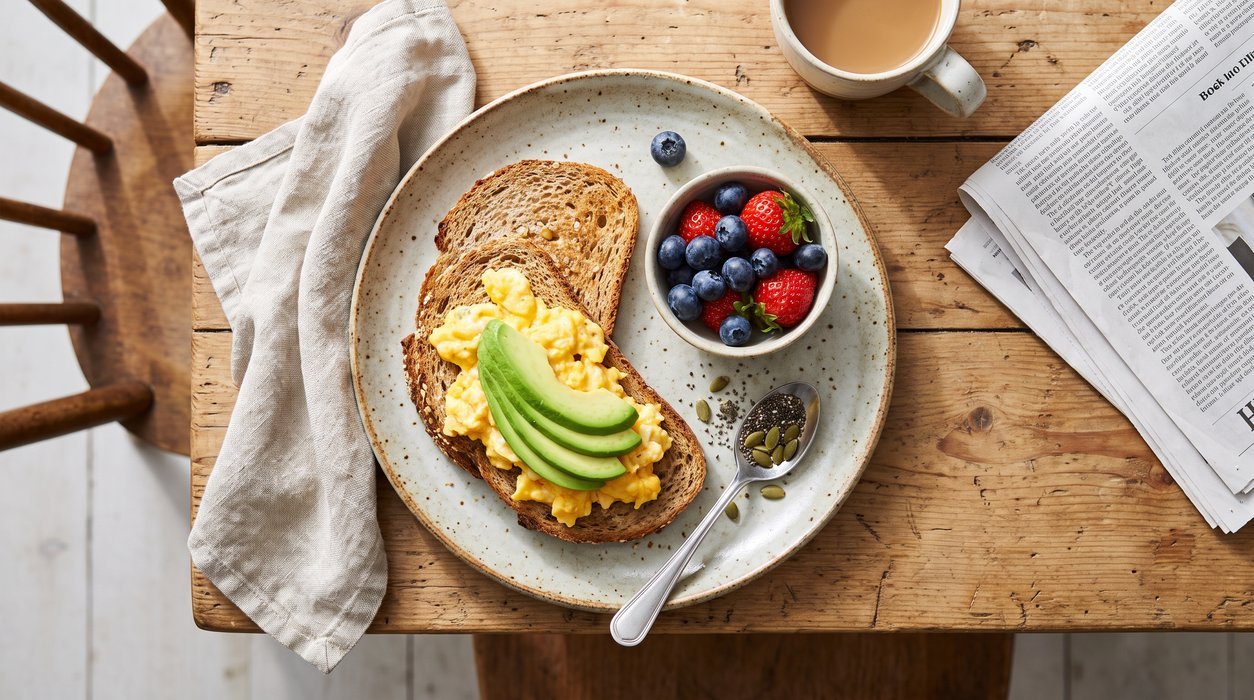
Meal idea: Keep the carbohydrate, but add support. Try rice with salmon and vegetables, toast with eggs and avocado, oats with Greek yogurt and chia, or crackers with hummus and tuna.
- Add protein: eggs, fish, poultry, tofu, tempeh, Greek yogurt, cottage cheese, lentils, or beans.
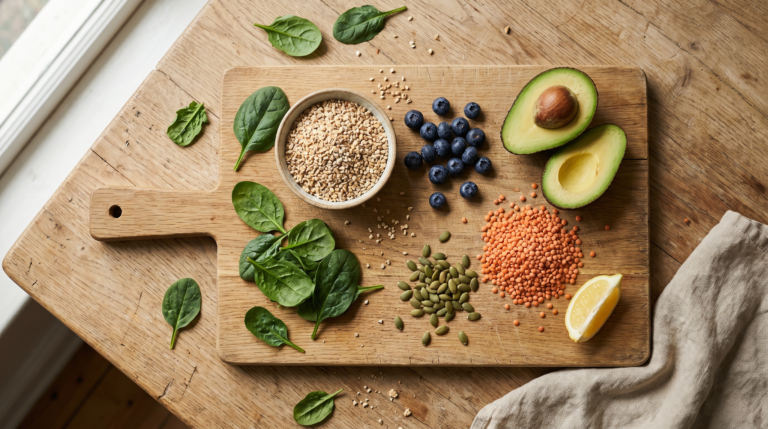
- Add fiber: vegetables, berries, chia, flaxseed, beans, barley, oats, or intact whole grains.
- Add fat: olive oil, avocado, nuts, seeds, tahini, or olives.
- Adjust portions: keep higher-glycemic foods as part of the plate, not the entire plate.
- Move after meals: take a gentle walk when it fits your day.
Food order may also help some people. In small clinical studies, eating vegetables and protein before carbohydrate reduced post-meal glucose excursions compared with eating carbohydrate first.[4]
A short walk after eating is another low-cost tool. A systematic review and meta-analysis found that post-meal exercise, especially soon after eating, may reduce acute postprandial glucose compared with remaining sedentary.[5]
For a broader next step, this guide to stabilizing blood sugar day to day explains how meals, cravings, energy dips, and habits fit together.
What to limit if glucose crashes keep happening
You do not need a perfect diet to make progress. Start by limiting the combinations most likely to create a fast rise and crash.
- Large portions of refined starch eaten alone
- Sweet drinks, juice, and syrup-heavy coffee drinks
- Low-fiber snacks used as full meals
- Breakfasts with mostly cereal, toast, juice, or sweetened yogurt
- Sauces and dressings that add sugar to an already high-carb meal
Clinical guidelines continue to emphasize individualized eating patterns, calorie quality, fiber-rich foods, and reduced added sugars for people managing diabetes or prediabetes.[6]
Anyone using insulin or glucose-lowering medication should be careful with major carbohydrate changes. Diet changes can affect medication needs, so medical guidance matters.
A simple 7-day plan for steadier meals
This plan is not a strict diet. It is a practical way to identify personal patterns around foods that spike blood sugar while keeping meals enjoyable.
Days 1–2: Notice your common pattern
Choose two meals you eat often. Write down the main carbohydrate, portion size, protein source, vegetables, and how you feel 1–3 hours later.
Look for clues such as sleepiness, cravings, shaky hunger, headache, or needing caffeine soon after eating. These signs are not diagnostic, but they can guide meal experiments.
Days 3–4: Add before subtracting
Instead of removing the carbohydrate, add support. Put eggs with toast, chicken with rice, tofu with noodles, Greek yogurt with oats, or hummus with crackers.
This often feels more sustainable than restriction. It also preserves meal enjoyment, which matters for long-term consistency.
Days 5–6: Test portion and timing
Try a smaller serving of the same carbohydrate and increase vegetables or protein. Notice whether fullness, energy, and cravings feel different.
Timing matters too. A high-carb meal after poor sleep, stress, or a sedentary day may feel different from the same meal after movement and adequate rest.
Day 7: Keep the easiest win
Choose the change that felt most realistic. Maybe it was switching juice to whole fruit, adding protein to breakfast, walking after dinner, or reducing syrup in coffee.
One repeatable change is more valuable than a complicated plan that lasts two days. Metabolic health usually responds best to patterns repeated consistently.
Frequently Asked Questions
What are the most common foods that spike blood sugar?
Common foods that spike blood sugar include white rice, white bread, bagels, sweet cereals, fruit juice, large smoothies, dried fruit, potatoes, rice cakes, flavored yogurt, refined pasta, crackers, pretzels, sweet coffee drinks, and sugary sauces. These foods may have a stronger effect when eaten in large portions or without protein, fiber, or fat. Individual responses vary.
Does a glucose spike mean a food is unhealthy?
Not always. A glucose rise after eating carbohydrates is a normal physiological response. The concern is more about frequent sharp rises, large portions, low nutrient density, and a pattern of energy crashes or cravings. Many nutritious foods can still raise glucose when eaten alone or in large amounts.
Can protein reduce glucose spikes after meals?
Protein may help slow digestion and improve fullness when eaten with carbohydrates. It is especially useful when paired with fiber-rich foods and healthy fats. The goal is not to avoid carbs completely, but to build meals that digest more gradually.
Is fruit bad for blood sugar?
Whole fruit is not the same as fruit juice. Whole fruit contains water, fiber, and volume, which can make it more filling. For many people, berries, apples, citrus, or pears eaten with a meal or protein-rich snack are steadier than juice or large fruit-only smoothies.
Conclusion
Foods that spike blood sugar are often ordinary foods eaten in a way that makes them digest quickly. White rice, juice, cereal, bagels, crackers, potatoes, and sweet drinks are not moral failures; they are meal-design clues.
The most useful next step is simple: keep the foods you enjoy, but change the context. Add protein, fiber, healthy fat, smaller portions, and gentle post-meal movement when it fits your life.
Small, repeatable changes can make meals feel steadier. Over time, those patterns may support better energy, fewer cravings, and more confidence around food.
Medical Disclaimer: The information provided in this article is for educational purposes only and does not constitute medical advice. Always consult a qualified healthcare provider before making changes to your diet, lifestyle, or treatment plan. TheMetabolicHub.com does not replace professional medical guidance.
References
- Harvard T.H. Chan School of Public Health. Carbohydrates and Blood Sugar. Harvard T.H. Chan
- Atkinson FS, Brand-Miller JC, Foster-Powell K, Buyken AE, Goletzke J. International tables of glycemic index and glycemic load values 2021: a systematic review. Am J Clin Nutr. 2021. PMID: 34258626
- Imamura F, O’Connor L, Ye Z, et al. Consumption of sugar sweetened beverages, artificially sweetened beverages, and fruit juice and incidence of type 2 diabetes: systematic review, meta-analysis, and estimation of population attributable fraction. BMJ. 2015. PMID: 26199070
- Shukla AP, Andono J, Touhamy SH, et al. The impact of food order on postprandial glycaemic excursions in prediabetes. Diabetes Obes Metab. 2019. PMID: 30101510
- Fumarola F, Natali A, Ponzani P, et al. After Dinner Rest a While, After Supper Walk a Mile? A Systematic Review with Meta-analysis on the Acute Postprandial Glycemic Response to Exercise Before and After Meal Ingestion. Nutrients. 2023. PMID: 36715875
- American Diabetes Association. Standards of Care in Diabetes—2026. American Diabetes Association
- National Institute of Diabetes and Digestive and Kidney Diseases. Insulin Resistance and Prediabetes. NIDDK