How Much Protein Do You Need While Taking a GLP-1 Medication?
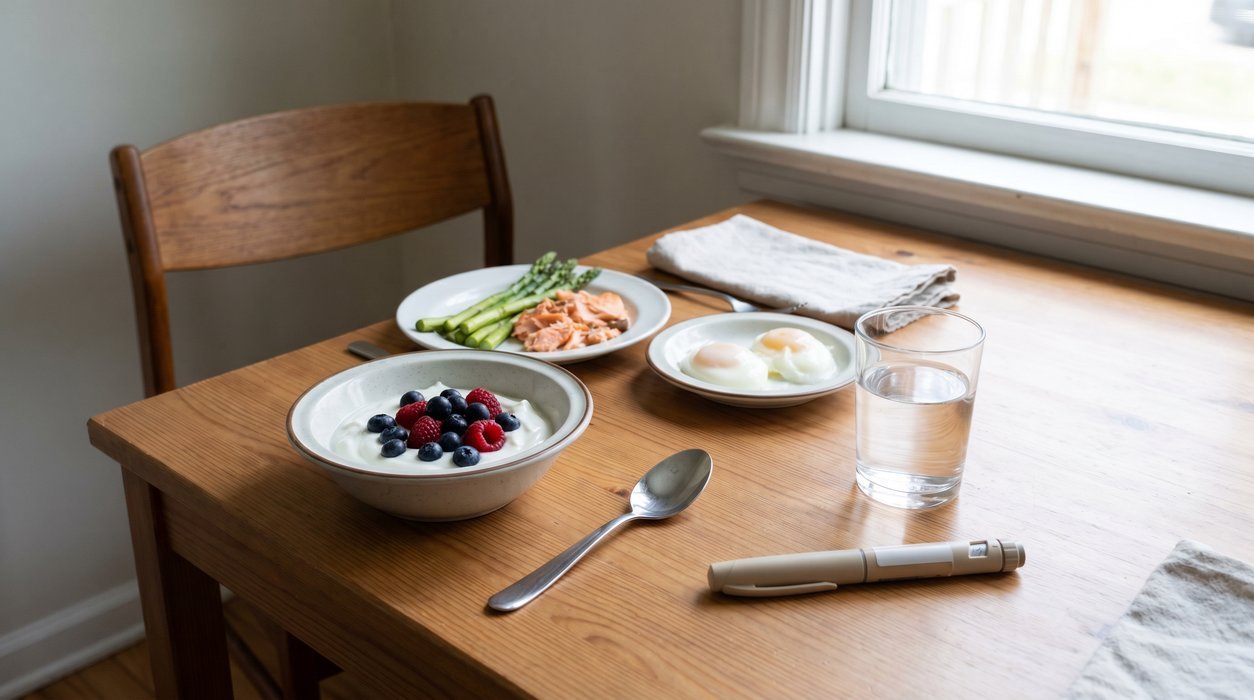
When a GLP-1 medication makes a few bites feel like a full meal, meeting basic nutrition needs can become harder than expected. This may not be random: lower appetite can shrink both meal size and protein intake.
The encouraging news: protein on GLP-1 medication can be planned without forcing large meals. For many adults, a practical starting point is about 1.0–1.2 grams per kilogram per day, while 1.2–1.6 grams per kilogram may suit some people during active weight loss or resistance training with professional guidance.[1]
This is not a personal failure. Appetite suppression is part of how these medications work, and a smaller, more deliberate food plan may help support strength, recovery, and nutritional adequacy.
Quick Win: For the next three days, write down the protein in each meal and snack. Aim to include at least 20–30 grams at two or three eating occasions, unless your healthcare provider has recommended a different target.
Key Takeaways
- There is no single official protein target for everyone using a GLP-1 medication.
- Many adults can begin near 1.0–1.2 g/kg/day; higher ranges may be appropriate for selected people.
- Protein is most useful when paired with resistance training and adequate overall nutrition.
- Kidney disease, frailty, pregnancy, eating-disorder history, or persistent gastrointestinal symptoms require individualized advice.
How Much Protein on GLP-1 Medication Is a Practical Target?
A practical starting range for many adults is approximately 1.0–1.2 grams per kilogram per day. During active weight loss, regular resistance training, or later adulthood, some people may benefit from roughly 1.2–1.6 grams per kilogram under professional guidance.[1]
Protein on GLP-1 medication is best treated as an individualized nutrition target rather than a drug-specific prescription. The useful number is the one that supports adequate intake without worsening nausea, fullness, constipation, or food avoidance.
For someone using a target weight of 75 kilograms, these ranges equal about 75–90 grams daily at the lower range or 90–120 grams at the higher range. These examples are guides, not prescriptions.
The standard adult Recommended Dietary Allowance is 0.8 grams per kilogram per day. During energy restriction, intake above the RDA may help reduce fat-free-mass loss, but the optimal amount varies and evidence specific to GLP-1 treatment remains limited.[1][5]
There is no official protein requirement that applies specifically to every person taking semaglutide, liraglutide, tirzepatide, or another incretin-based medication. A suitable target depends on body size, age, activity, weight-loss rate, health history, and how much food can be tolerated.
| Situation | Possible Starting Range | Important Context |
|---|---|---|
| Generally healthy adult | About 1.0–1.2 g/kg/day | May provide more support than the minimum RDA during reduced food intake. |
| Active weight loss or strength training | About 1.2–1.6 g/kg/day | Higher intake may be useful when paired with resistance exercise. |
| Older adult or higher muscle-loss risk | Often 1.2 g/kg/day or more | Needs should be individualized around function, appetite, and medical conditions. |
| Kidney disease or complex medical history | Individualized | Use a target established by a physician or renal dietitian. |
Why Does Protein Matter During GLP-1 Treatment?
GLP-1-based medications can reduce appetite, increase fullness, and slow the rate at which food leaves the stomach. These effects can make weight management more achievable, but they may also reduce total protein, vitamin, mineral, and fluid intake.[2]
Weight loss rarely comes entirely from body fat. Some reduction in fat-free mass usually occurs, although fat-free mass includes water, organs, connective tissue, and other components in addition to skeletal muscle.
Studies of GLP-1-based therapies have reported substantial variation in lean-mass changes. Differences in measurement methods, starting health, weight-loss rate, activity, and medication make it difficult to apply one percentage to everyone.[3]
Protein supplies amino acids needed to maintain and repair muscle tissue. It also contributes to enzymes, immune proteins, hormones, skin, hair, and numerous other structures that still require nourishment when calorie intake falls.
Adequate protein alone cannot guarantee muscle preservation. Resistance training is also recommended because it directly challenges muscle, although trials testing the best combined strategy specifically during GLP-1 treatment are still developing.[6]
Signs that intake may be falling too low
A single symptom cannot confirm inadequate protein intake, but several changes may justify a nutrition review. These can include persistent weakness, reduced exercise capacity, slow recovery, frequent skipped meals, or difficulty completing basic daily activities.
Rapid weight loss, recurring vomiting, dizziness, dehydration, and an inability to keep food down deserve prompt medical attention. They should not be treated simply by adding a protein shake.
How Should You Calculate Your Protein Target?
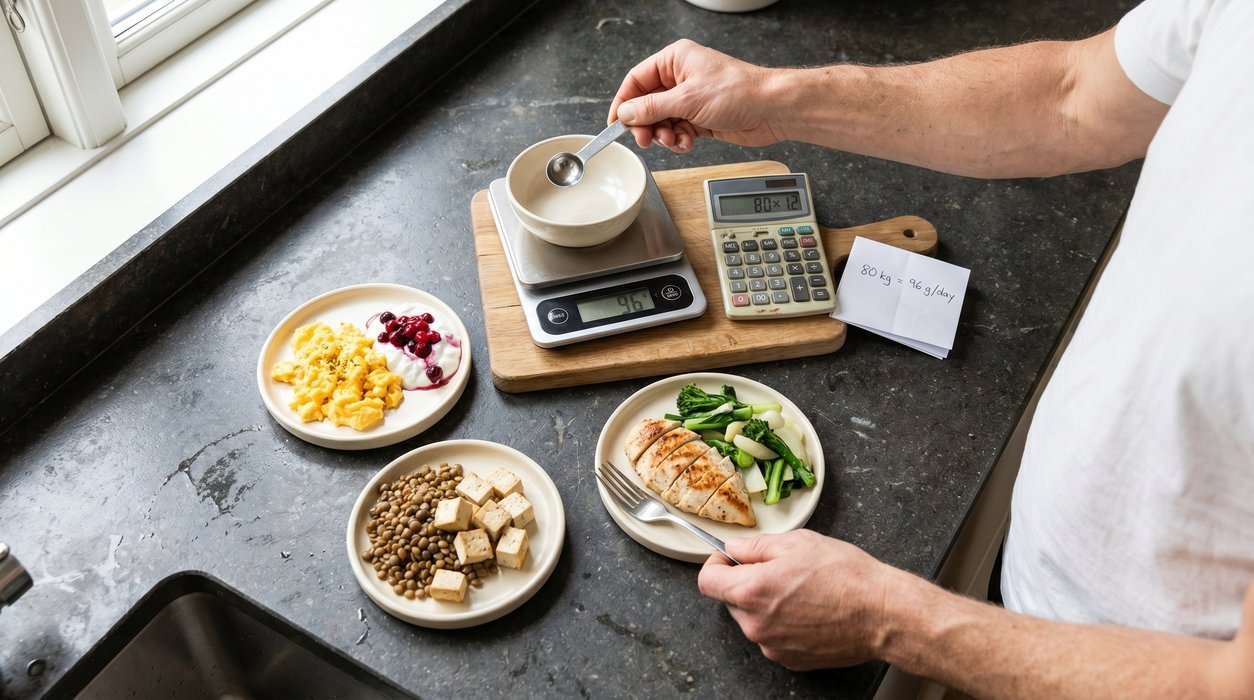
The basic formula is body weight in kilograms multiplied by the selected protein range. To convert pounds to kilograms, divide weight in pounds by 2.2.
For example, 176 pounds divided by 2.2 equals 80 kilograms. At 1.2 grams per kilogram, the resulting target would be approximately 96 grams of protein per day.
Using current body weight can overestimate needs for some people living in a larger body. A dietitian may instead use a target weight, adjusted body weight, or estimated lean mass to create a more practical recommendation.
That distinction matters because a calculated goal should be achievable and clinically appropriate. A target that forces excessive supplements, worsens nausea, or crowds out fiber-rich foods may not support overall nutrition.
One thing worth pushing back on here: more protein is not automatically better. Once needs are reasonably covered, continually increasing protein may add digestive burden without providing a meaningful advantage, especially when appetite and meal volume are already limited.
Should Protein Be Spread Across the Day?
Distributing protein across two to four eating occasions is often more manageable than trying to consume most of it at dinner. It also gives muscle tissue repeated access to essential amino acids throughout the day.
A useful meal target for many adults is approximately 20–35 grams, depending on body size and total daily needs. Older adults or people with larger protein goals may need portions toward the upper end of that range.
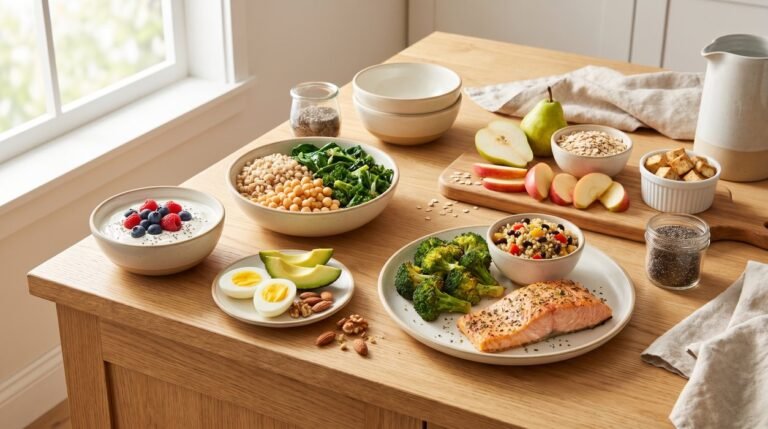
Breakfast is frequently the lowest-protein meal. These practical high-protein breakfast ideas can help close the gap without requiring a large portion.
Protein timing does not need to become rigid. The most important first step is reaching an adequate daily total without worsening gastrointestinal symptoms or making eating feel like a full-time job.
How Can You Get Enough Protein on GLP-1 Medication With a Small Appetite?
When fullness arrives after a few bites, food order becomes important. Eating the protein component first may help ensure that the most nutritionally valuable part of the meal is not consistently left behind.
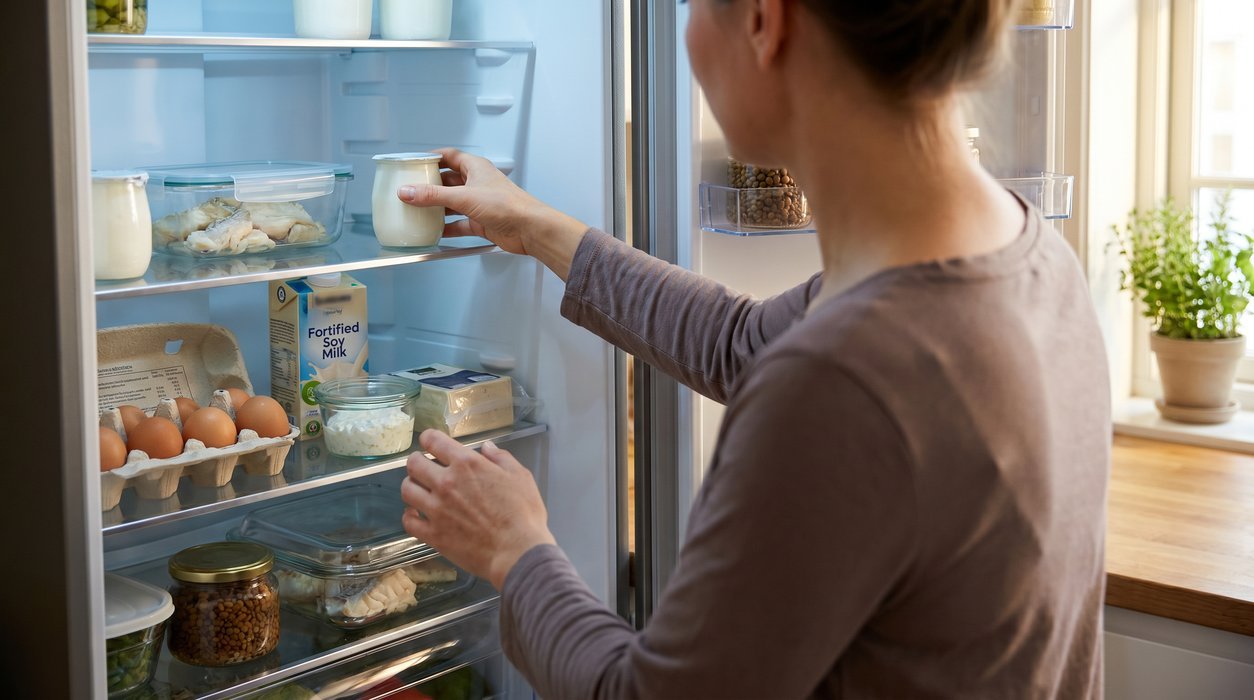
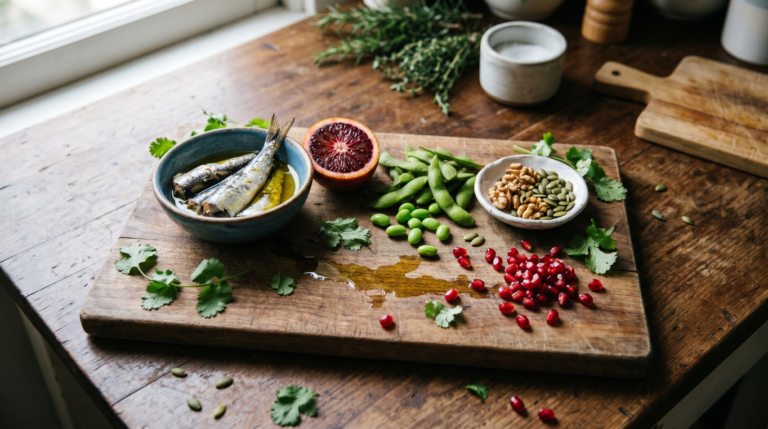
Choose options that provide meaningful protein without requiring a large volume:
- Greek yogurt, skyr, or cottage cheese
- Eggs or egg whites
- Fish, chicken, turkey, or lean meat
- Tofu, tempeh, edamame, lentils, or beans
- Milk or fortified soy milk
- A protein shake when whole food is difficult to tolerate
Soft and moist foods may feel easier than dense, dry portions during periods of nausea or early fullness. Flaked fish, yogurt bowls, scrambled eggs, soups with blended beans, and slow-cooked poultry can be easier to manage.
Very fatty meals may intensify fullness or digestive discomfort for some people. Smaller meals and temporarily choosing lower-fat foods may be easier to tolerate during dose escalation or on days when symptoms are stronger.[1]
Are protein shakes necessary?
Protein shakes are optional, not mandatory. They can be useful when appetite is low, breakfast is regularly skipped, or a person cannot meet an individualized target through food alone.
Look for a product that provides roughly 20–30 grams of protein without excessive added sugar. Whey, milk protein, soy, and well-formulated plant blends can all contribute to daily intake.
Drinking a large shake quickly may worsen nausea or uncomfortable fullness. Smaller portions, slow sipping, or splitting one serving into two may be easier to tolerate.
Do You Also Need Resistance Training?
Protein provides building materials, while resistance exercise provides the loading stimulus that helps the body retain strength and muscle. A beginner-friendly guide to building a consistent strength routine can make this step more manageable.
Adults are generally advised to perform muscle-strengthening activity at least two days per week, working the major muscle groups. The plan should match current ability, joint health, balance, and medical status.[4]
Cardio remains valuable for cardiovascular fitness, mood, stamina, and glucose management. It simply does not replace the specific loading stimulus provided by resistance training.
Beginners do not need an advanced program. Two short full-body sessions each week, followed by gradual increases in repetitions or resistance, may be enough to establish momentum.
What progress can you realistically expect?
Within the first few weeks, early signs of progress may include more consistent meals, steadier energy, and less decline in gym performance. Changes in strength and body composition generally require longer and are influenced by sleep, training, illness, and the pace of weight loss.
Many people notice that protein intake becomes easier once they identify three or four reliable meals rather than improvising every day. Meaningful muscle support often requires consistent nutrition and training over months, not a few high-protein days.
Body weight alone cannot show whether muscle function is being maintained. Strength records, walking pace, waist measurements, and the ability to perform daily tasks can add useful context.
Who Needs an Individualized Recommendation?
Some adults should not use a general online protein formula without clinical guidance. Kidney disease is the clearest example because an appropriate intake depends on kidney function, dialysis status, diabetes, medications, and overall nutritional risk.
People with liver disease, a history of eating disorders, recent bariatric surgery, frailty, swallowing difficulty, or ongoing gastrointestinal symptoms may also need a tailored plan. Pregnancy and breastfeeding create additional nutritional considerations.
Older adults deserve particular attention because age-related reductions in muscle mass can be compounded by low food intake and inactivity. A clinician may recommend monitoring strength, function, dietary intake, and the rate of weight loss rather than focusing only on the scale.
Contact the prescribing team when nausea, vomiting, constipation, reflux, or abdominal discomfort repeatedly prevents adequate eating or drinking. Medication dose, meal pattern, hydration, and symptom management may all need review.
What Does a Practical Protein Plan Look Like?
A successful plan for protein on GLP-1 medication should feel repeatable, not perfect. Start with a modest target, identify foods that sit well, and increase intake gradually if a healthcare professional recommends more.
What may change over time: Within 3–7 days, tracking often reveals where protein is being missed. Over 2–4 weeks, a repeatable meal pattern and two weekly strength sessions may make energy, recovery, and workout consistency easier to evaluate.
- Choose a daily range. Use a clinician-approved calculation based on current weight, target weight, or adjusted weight.
- Divide it across the day. Three meals containing 25–30 grams provide 75–90 grams before snacks are counted.
- Build meals around protein. Select the protein source first, then add vegetables, fruit, whole grains, or another tolerated carbohydrate.
- Keep a low-appetite backup. Stock yogurt, eggs, tuna, tofu, milk, or a simple protein drink.
- Add resistance exercise. Begin at a manageable level and progress gradually.
- Review the result. Reassess intake, symptoms, strength, and weight-loss pace with the prescribing team.
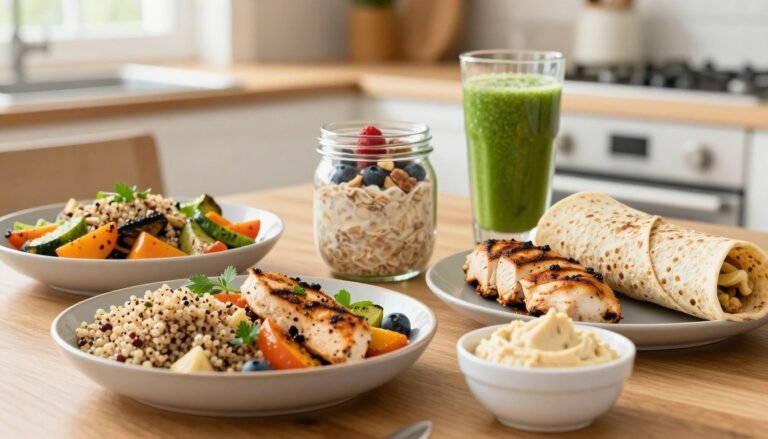
| Meal | Example | Approximate Protein |
|---|---|---|
| Breakfast | Greek yogurt with berries and seeds | 20–25 g |
| Lunch | Chicken, tofu, or tuna bowl with vegetables | 25–35 g |
| Snack | Cottage cheese or a small protein shake | 15–25 g |
| Dinner | Fish, lean meat, tempeh, or lentil pasta | 25–35 g |
The numbers in this sample day are approximate because brands, recipes, and serving sizes vary. Tracking for a few days can reveal whether the main issue is portion size, skipped meals, or simply choosing foods with very little protein.
Frequently Asked Questions
How much protein do you need while taking a GLP-1 medication?
Protein on GLP-1 medication often starts around 1.0–1.2 grams per kilogram per day, while some people may benefit from 1.2–1.6 grams during active weight loss or resistance training. The ideal amount depends on body size, age, activity, health conditions, and food tolerance. A registered dietitian or prescribing clinician can help select the most appropriate weight and range for the calculation.
Can you lose muscle while taking a GLP-1 medication?
Some lean tissue is commonly lost during significant weight loss, whether weight loss occurs through medication, dietary changes, surgery, or another approach. The amount varies considerably, and changes in measured lean mass do not always equal a matching loss of functional skeletal muscle. Adequate nutrition, resistance training, and a reasonable rate of weight loss may help reduce unnecessary loss.
Should you use current body weight to calculate protein?
Current weight may be appropriate for some adults, but it can produce an unnecessarily high target for people in larger bodies. A dietitian may use target weight, adjusted body weight, or estimated lean mass instead. The best calculation is one that reflects nutritional needs without creating an unrealistic eating burden.
What is the easiest protein to eat when a GLP-1 reduces appetite?
Greek yogurt, cottage cheese, eggs, soft fish, tofu, milk, and small protein shakes are often easier to tolerate than large or dry portions of meat. Individual tolerance varies, especially during dose increases. Eating slowly and using smaller meals may reduce uncomfortable fullness.
Conclusion
For many adults, protein on GLP-1 medication can begin near 1.0–1.2 grams per kilogram per day. Higher individualized ranges may be used during active weight loss or strength training, but tolerance and overall diet quality matter more than chasing the highest number.
Managing protein on GLP-1 medication works best as part of a broader plan that includes resistance exercise, hydration, fiber-rich foods, symptom monitoring, and regular follow-up. The goal is not merely a lower scale weight, but a body that remains nourished and capable throughout the process.
Medical Disclaimer: The information provided in this article is for educational purposes only and does not constitute medical advice. Always consult a qualified healthcare provider before making changes to your diet, lifestyle, or treatment plan. TheMetabolicHub.com does not replace professional medical guidance.
References
- Mozaffarian D, et al. Nutritional priorities to support GLP-1 therapy for obesity: a joint advisory. Am J Clin Nutr. 2025. PMID: 40445127
- Collins L, Costello RA. Glucagon-Like Peptide-1 Receptor Agonists. StatPearls. Updated 2024. NCBI Bookshelf
- Neeland IJ, et al. Changes in lean body mass with glucagon-like peptide-1-based therapies and mitigation strategies. Diabetes Obes Metab. 2024. PMID: 38937282
- U.S. Department of Health and Human Services. Physical Activity Guidelines for Americans, 2nd edition. Health.gov
- Pasiakos SM, et al. Effects of high-protein diets on fat-free mass and muscle protein synthesis following weight loss. FASEB J. 2013. PMID: 23739654
- Linge J, Birkenfeld AL, Neeland IJ. Muscle Mass and GLP-1 Receptor Agonists: Adaptive or Maladaptive Response to Weight Loss? Circulation. 2024. PMID: 39401279