
How to Track Fat-Loss Progress Without Obsessing Over the Scale
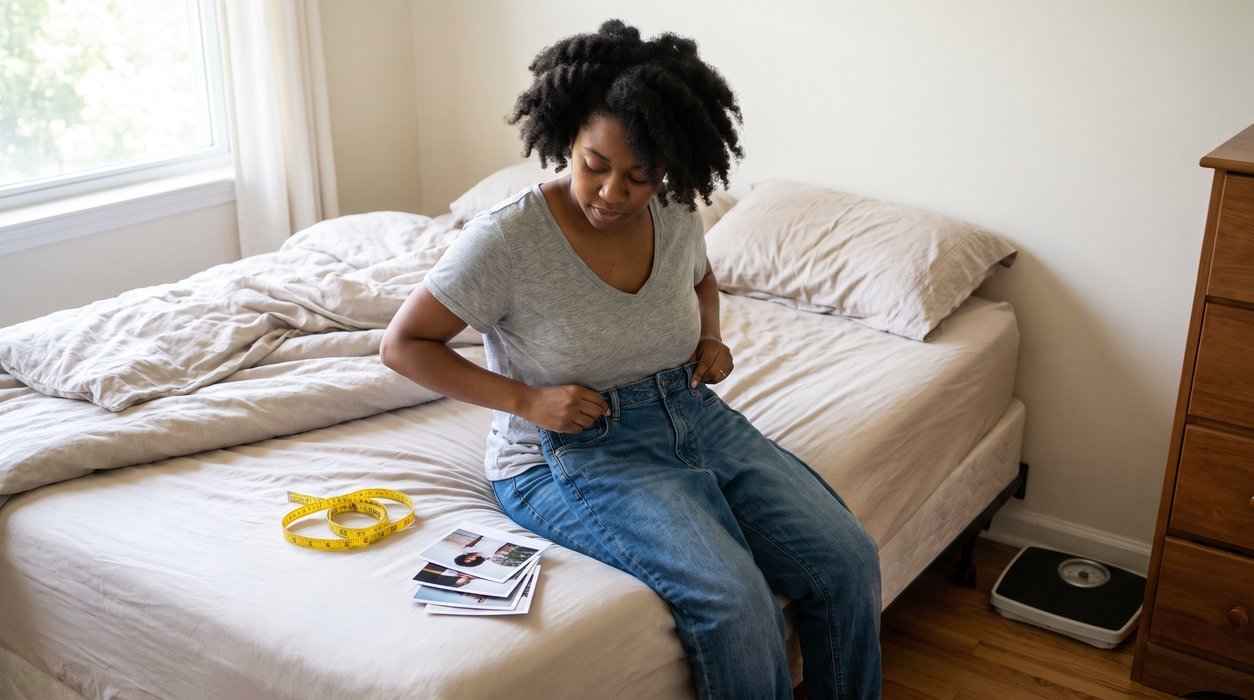
Stepping on the scale can turn a calm morning into a mental tug-of-war. One number goes up, motivation drops, and suddenly yesterday’s walk, balanced meals, and better sleep feel like they did not count.
This may not be random, and it is not a personal failure. The encouraging news: learning to track fat loss without scale pressure can help you see progress that daily weight changes often hide.
Quick Win: Choose one non-scale marker today, such as waist measurement, progress photos, clothing fit, or workout performance. Record it once weekly under the same conditions for the next four weeks.
How to Track Fat Loss Without Scale Pressure
You can track fat loss without relying on daily scale weight by using a small set of repeatable markers: waist circumference, clothing fit, progress photos, strength, stamina, energy, hunger, sleep, and relevant metabolic health data.
The goal is not to collect endless numbers. The goal is to use enough feedback to see whether your body composition, daily function, and health patterns are moving in a helpful direction over several weeks.
For many adults, the most useful system includes one body-size marker, one performance marker, and one well-being marker. This gives you a fuller picture than scale weight alone, especially when water retention, digestion, soreness, stress, hormones, and salt intake affect daily weight.
Why the Scale Can Feel Misleading
The scale measures total body mass. It does not separate body fat, muscle, water, glycogen, food volume, inflammation, or digestive contents.
That is why someone can be losing body fat while the number looks flat for days or even weeks. A new strength-training routine, a salty dinner, a poor night of sleep, or sore muscles can temporarily increase water retention.
The CDC describes BMI as a screening measure, not a full diagnosis of body fatness or health status. For individuals, it should be interpreted with other factors such as blood pressure, cholesterol, and clinical context.[1]
Scale weight can hide body recomposition
Body recomposition means fat mass may decrease while lean mass is maintained or increased. In that situation, the scale may move slowly, while waist size, posture, strength, and clothing fit change.
Exercise research suggests training can support favorable body-composition changes during weight-loss efforts, and resistance training may help preserve lean mass in some groups.[2]
This matters because lean tissue supports strength, mobility, glucose handling, and daily function. A slower scale change with better strength and smaller measurements can still represent meaningful progress.
The Best Non-Scale Progress Markers
The best non-scale progress markers are repeatable, relevant, and emotionally sustainable. A marker that triggers spiraling thoughts is not automatically better because it involves a number.
Choose three to five markers at most. More data is not always more clarity, especially when the goal is a calmer way to track fat loss without scale obsession.
| Progress Marker | What It May Show | How Often to Check |
|---|---|---|
| Waist measurement | Abdominal size trends and possible visceral fat changes | Weekly or every two weeks |
| Progress photos | Visual changes in shape, posture, and body composition | Every 2–4 weeks |
| Clothing fit | Practical changes in waist, hips, chest, or thighs | Weekly |
| Strength or stamina | Fitness progress that may support long-term fat loss | Each workout or weekly |
| Energy and cravings | Meal balance, sleep quality, and possible blood sugar stability | 2–3 times weekly |
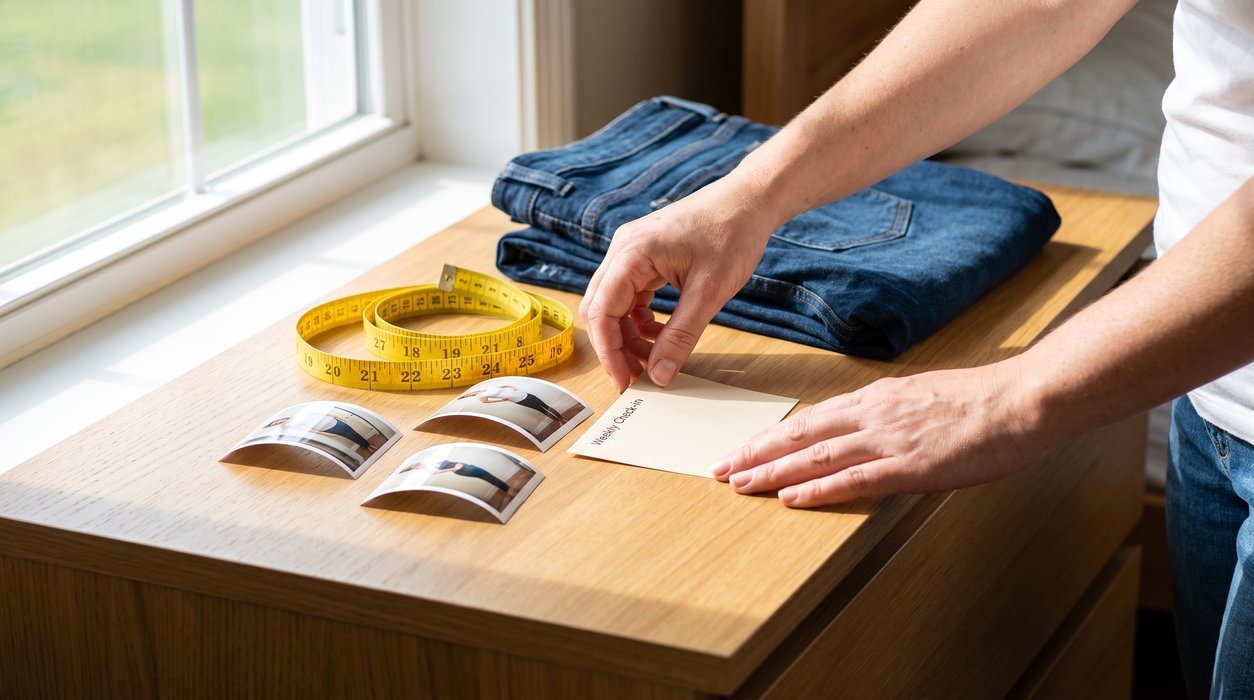
Waist circumference
Waist circumference is useful because abdominal fat is linked with cardiometabolic risk. A consensus statement notes that waist circumference adds important risk information, especially when considered alongside BMI.[3]
For everyday tracking, the trend matters more than one reading. A tape pulled tighter one week can create a false win, while a looser tape can create false concern.
Progress photos
Progress photos can show gradual changes the mirror misses. They work best when lighting, distance, clothing, and posture stay consistent.
Take front, side, and back photos every two to four weeks, then compare them side by side. Avoid daily photo checks if they make normal body changes feel like failure.
Clothing fit
Clothing fit is imperfect but practical. A waistband, fitted shirt, belt notch, or workout leggings can reveal shape changes without turning progress into a daily number.
Choose one or two reference items instead of testing everything in your closet. The goal is a calm signal, not a stressful audit.
Training performance
Strength, walking pace, endurance, and recovery can improve even when the scale does not move. This is especially important for adults trying to preserve muscle while losing fat.
Helpful examples include lifting slightly more weight, completing more controlled reps, walking the same route with less effort, or recovering faster after a session. For readers managing blood sugar concerns, strength training can support insulin sensitivity as part of a broader routine.
One thing worth pushing back on here: many people assume fat-loss tracking must be strict to be effective. In reality, overly frequent tracking can turn normal fluctuations into emotional noise, which may lead to over-restriction, skipped workouts, or all-or-nothing decisions.
How to Use Body Measurements Calmly
Body measurements can help when they are done consistently and sparingly. They become less helpful when repeated several times a day or used to judge personal worth.
A simple approach is to measure waist, hips, and one optional area such as thigh, chest, or upper arm. Waist alone is enough for many people who want a lower-stress system.
How to measure your waist consistently
Use a flexible tape measure and stand relaxed. Measure at the same location each time, such as around the navel or at the midpoint between the lower rib and top of the hip bone.
Do not suck in your stomach. Do not pull the tape tight enough to compress the skin.
Record the number, then move on. Rechecking three or four times usually increases anxiety more than accuracy.
How often to measure
Weekly or every two weeks is enough for most adults. Daily measurement often captures bloating, hydration, digestion, sodium intake, menstrual-cycle shifts, or stress rather than meaningful fat change.
Many people notice early changes in waist comfort, bloating, or clothing fit before major visual changes appear. Meaningful body-composition changes often require several weeks of consistent habits.
Metabolic Health Signs That May Show Progress
Fat loss is not only about appearance. For many TheMetabolicHub readers, progress also means steadier energy, fewer cravings, better sleep, improved recovery, and more predictable hunger.
These signs are not diagnostic, but they can help you notice whether your routine is supporting metabolic health. If you manage insulin resistance, prediabetes, diabetes, thyroid disease, or medication changes, review lab markers with a qualified healthcare provider.
Energy stability
Steadier energy across the day may suggest meals are becoming more balanced. Protein, fiber-rich carbohydrates, healthy fats, and movement after meals may help support more stable blood sugar patterns.
A short note such as “afternoon slump: mild, moderate, strong” may be more useful than a long food diary. Short tracking is easier to sustain.
Hunger and cravings
Fat-loss plans often become harder when hunger is intense. Tracking appetite can help identify whether meals are too small, too low in protein, too low in fiber, or poorly timed.
Hunger is not a character flaw. It is body feedback, and it deserves a practical response.
Sleep and recovery
Sleep can affect appetite, food choices, recovery, and glucose regulation. NHLBI notes that sleep deficiency is linked with chronic health problems including diabetes, obesity, heart disease, and high blood pressure.[4]
If workouts feel harder, cravings rise, and waist measurements stall, sleep may deserve attention before further calorie cuts. More restriction is not always the most useful next step.
A Weekly Fat-Loss Progress Plan
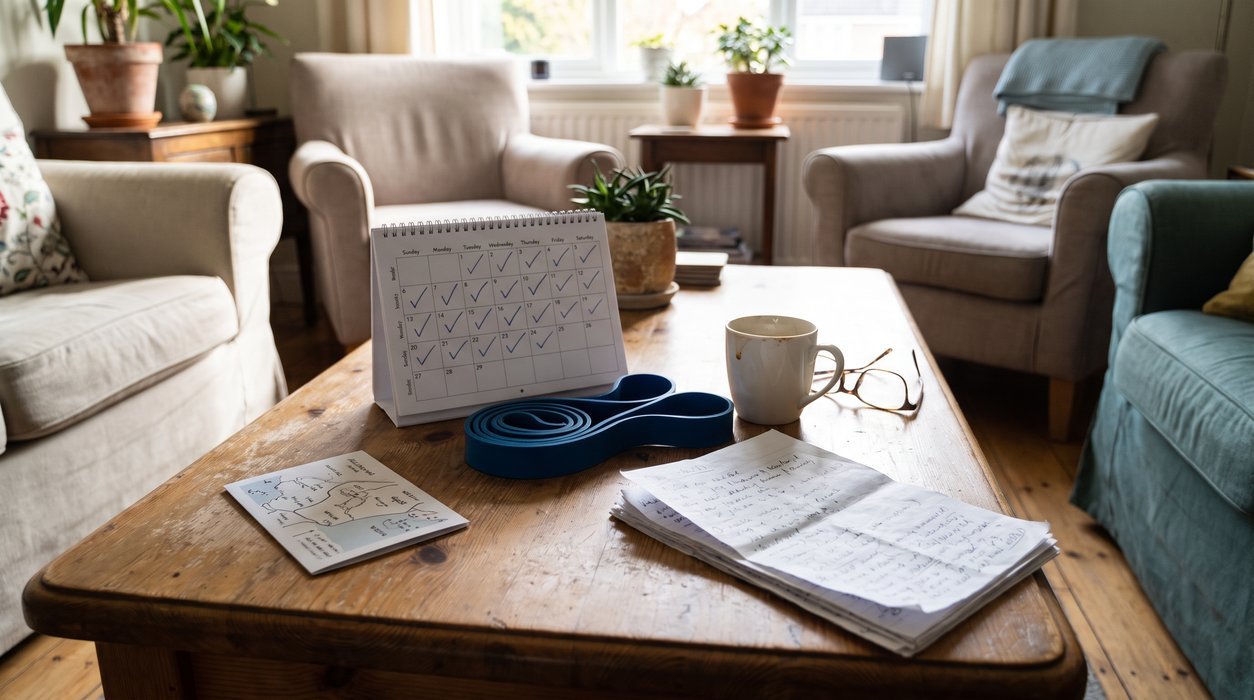
A good tracking system should be simple enough to keep during busy weeks. The plan below is designed to track fat loss without scale pressure while still giving useful feedback.
Step 1: Choose three core markers
Pick one marker from each category:
- Body-size marker: waist measurement, clothing fit, or progress photos.
- Performance marker: workout strength, walking pace, step consistency, or stamina.
- Well-being marker: energy, cravings, hunger, sleep, or mood stability.
This gives a fuller picture than scale weight alone. It also makes it easier to see progress when one marker is temporarily noisy.
Step 2: Use one weekly check-in
Choose one weekly check-in time. Morning, before breakfast, after using the bathroom, and under similar conditions works well for measurements or photos.
Your check-in can be simple: waist measurement, clothing note, two workout notes, energy rating, sleep rating, and one sentence about what worked.
Step 3: Look for four-week trends
One week is often too short to judge. Four weeks gives enough time to see whether the overall direction is changing.
Helpful signs may include a slightly smaller waist, looser clothing, better strength, steadier energy, fewer evening cravings, or more consistent walking. None of these needs to be dramatic to matter.
Step 4: Adjust one habit at a time
If nothing changes after several weeks, adjust one variable instead of changing everything. Add a daily walk, improve protein at breakfast, set a steadier bedtime, or progress strength training gradually.
WHO guidelines recommend that adults combine aerobic activity with muscle-strengthening activity and reduce sedentary time when possible.[5] For deeper context on abdominal fat and cardiometabolic health, see this guide to reducing visceral fat.
Step 5: Keep the scale optional
Some people can use the scale calmly once weekly or monthly. Others do better without it, especially if the number affects mood, food choices, or self-worth.
If scale use leads to obsessive checking, restriction, binge-restrict cycles, or panic, non-scale tracking may be a healthier option. Progress data should support your process, not dominate it.
Frequently Asked Questions
How can I track fat loss without scale weight?
The best way to track fat loss without scale weight is to combine a few repeatable markers. Waist measurement, clothing fit, progress photos, strength, walking stamina, sleep, hunger, and energy can all show changes that scale weight may miss. Choose three to five markers and review them weekly or every two weeks. A four-week trend matters more than any single check-in.
Can my body change even if the scale stays the same?
Yes. Body composition can change while scale weight stays similar, especially when fat decreases and lean mass is maintained or increased. Water retention, digestion, sodium intake, and muscle soreness can also mask progress. Measurements, photos, and performance markers provide more context.
How often should I take waist measurements?
Weekly or every two weeks is enough for most adults. Measure under similar conditions and use the same tape placement each time. Daily measurements can be affected by bloating, hydration, digestion, sodium intake, and hormonal shifts. A calm four-week trend is usually more useful.
What should I do if none of my markers are changing?
First, check whether the markers have been tracked consistently for at least several weeks. If they have, adjust one habit at a time rather than changing everything at once. Options may include more daily movement, better protein and fiber intake, steadier sleep, or more consistent strength training. If fatigue, unexplained weight changes, or medical concerns are present, speak with a qualified healthcare provider.
Conclusion
Fat-loss progress is easier to understand when the scale is no longer the only judge. Waist trends, clothing fit, photos, strength, energy, cravings, and sleep can reveal meaningful changes that daily weight cannot explain.
To track fat loss without scale obsession, keep the system small, repeatable, and calm. Choose a few markers, check them weekly, look for four-week trends, and adjust one habit at a time.
Your body is not failing because one number moves slowly. Progress often shows up first in the way you feel, move, recover, and live.
Medical Disclaimer: The information provided in this article is for educational purposes only and does not constitute medical advice. Always consult a qualified healthcare provider before making changes to your diet, lifestyle, or treatment plan. TheMetabolicHub.com does not replace professional medical guidance.
References
- Centers for Disease Control and Prevention. About Body Mass Index (BMI). CDC
- Bellicha A, et al. Effect of exercise training on weight loss, body composition changes, and weight maintenance in adults with overweight or obesity: An overview of 12 systematic reviews and 149 studies. Obesity Reviews. 2021. PMID: 33955140
- Ross R, et al. Waist circumference as a vital sign in clinical practice: a Consensus Statement from the IAS and ICCR Working Group on Visceral Obesity. Nature Reviews Endocrinology. 2020. PMID: 32020062
- National Heart, Lung, and Blood Institute. What Are Sleep Deprivation and Deficiency? NHLBI
- Bull FC, et al. World Health Organization 2020 guidelines on physical activity and sedentary behaviour. British Journal of Sports Medicine. 2020. PMID: 33239350
- National Institutes of Health. Creating Healthy Habits. NIH News in Health. NIH