
7 Non-Scale Signs Your Metabolic Routine Is Working
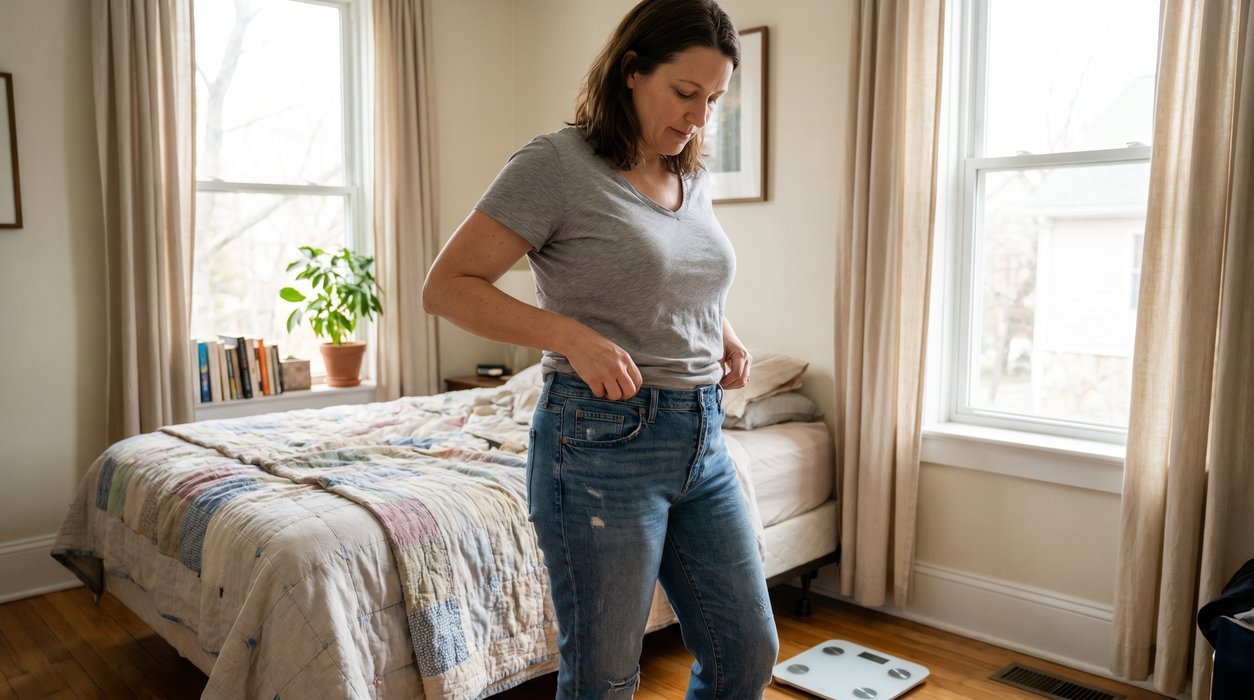
The scale can feel strangely quiet when your effort is anything but. You may be walking after meals, eating more protein, sleeping earlier, and lifting consistently, yet the number barely moves.
This may not be random, and it does not automatically mean your routine is failing. The encouraging news: non scale metabolic progress signs often show up in energy, appetite, sleep, waist fit, recovery, and glucose patterns before weight clearly changes.
What Are non scale metabolic progress signs?
non scale metabolic progress signs are everyday changes that suggest your metabolic routine may be supporting better fuel use, appetite regulation, recovery, and blood sugar stability even when body weight is slow to respond.
Common early signs include steadier energy after meals, fewer urgent cravings, better sleep, improved workout recovery, looser clothing, calmer glucose trends, and clearer focus. Many people notice the first functional changes within 1–3 weeks, while lab markers and waist measurements usually need more time.
Quick Win: For the next 7 days, rate energy, hunger, cravings, sleep, movement, and waist fit from 1–5 each evening. Look for patterns, not perfection.
Key Takeaways
- Body weight is useful for some people, but it is a noisy short-term marker.
- Energy, cravings, sleep, waist fit, recovery, and glucose patterns can give earlier feedback.
- Waist circumference and blood sugar trends provide more context than weight alone.[2]
- A good routine should feel repeatable, not punishing.
Why Can the Scale Lag Behind Metabolic Change?
Body weight can shift because of water retention, sodium intake, constipation, menstrual-cycle changes, travel, stress, hard workouts, and glycogen storage. These changes can hide real progress for days or even weeks.
Some adults also gain or preserve lean mass while losing fat, especially when resistance training begins. In that case, the scale may understate changes in body composition and function.
Metabolic health is broader than weight. The American Heart Association’s Life’s Essential 8 includes diet, physical activity, nicotine exposure, sleep, body mass index, blood lipids, blood glucose, and blood pressure.[1]
This is why non scale metabolic progress signs matter. They help you notice whether your daily habits are moving your body toward steadier energy and better regulation before the scale gives a clear answer.
What Are the 7 Non-Scale Signs Your Routine May Be Working?
1. Your energy feels steadier between meals
One of the most practical early signs is less of a roller coaster. Breakfast or lunch keeps you comfortable longer, and the familiar afternoon crash feels softer or less frequent.
This can happen when meals include protein, fiber-rich carbohydrates, healthy fats, and fewer added sugars. Those choices may slow digestion and support more stable blood sugar responses.
2. Your cravings feel less urgent
Cravings are not a character flaw. They often reflect sleep debt, long gaps between meals, stress, under-fueling, restriction, habit, or blood sugar swings.
A supportive routine may be working when cravings become easier to pause. You may still want something sweet, but it no longer feels like an emergency.
If this pattern sounds familiar, it can help to understand how glucose swings can feel like cravings in daily life.
3. Your waistband, rings, or face feel less puffy
Clothing fit can change before body weight does. A waistband may feel less tight, rings may slide more easily, or morning puffiness may be less noticeable.
Some of this may reflect less bloating, better digestion, lower sodium variability, or gradual waist change. Waist circumference is often useful because it adds cardiometabolic risk context beyond weight alone.[2]

4. You recover better from workouts
Progress is not only about harder workouts. It can also look like less soreness, steadier form, better stamina, or feeling ready to move again sooner.
Physical activity is a key part of blood glucose management and overall health in people with diabetes and prediabetes.[3] Regular movement also supports insulin sensitivity and metabolic syndrome risk factors.[4]
5. Your sleep and morning energy improve
Sleep is a metabolic signal, not just a recovery bonus. Many adults notice that consistent meals, less late snacking, regular movement, and less alcohol make sleep feel deeper.
Insufficient sleep is associated with higher risk of chronic conditions such as obesity, diabetes, hypertension, heart disease, stroke, anxiety, and depression.[5]
Morning energy is especially useful to track. Waking up less groggy or needing less caffeine to function can be meaningful feedback.
One thing worth pushing back on here: the scale is not useless. It can be helpful for trend awareness, especially when paired with labs and clinician guidance, but it should not be the only judge of progress.
6. Your blood sugar patterns look calmer
For anyone using a continuous glucose monitor, finger-stick readings, or periodic labs, calmer patterns can be one of the clearest non scale metabolic progress signs.
That might mean fewer sharp post-meal spikes, a gentler return toward baseline, or fasting glucose trending in a more favorable direction. These patterns should be interpreted with a qualified healthcare provider.
7. Your mood, focus, and stress tolerance feel more stable
Metabolic health is not separate from the nervous system. Blood sugar swings, poor sleep, under-fueling, and high stress can make focus and mood feel more fragile.
A supportive routine may help you feel more even. You might handle a busy morning without skipping breakfast or notice less irritability before dinner.
| Non-Scale Sign | What It May Suggest |
|---|---|
| Steadier energy | Meals and movement may be supporting steadier fuel availability. |
| Less urgent cravings | Satiety, sleep, and glucose patterns may be improving. |
| Looser clothing | Bloating, water retention, or waist measurements may be shifting. |
| Better recovery | Training, nutrition, and sleep may be better matched. |
| Calmer glucose trends | Your routine may be supporting improved glucose regulation over time. |
How Can You Track Progress Without Obsessing?
The goal is to collect enough information to notice patterns, not to turn your life into a spreadsheet. A simple weekly review is usually more useful than judging every meal.
Choose three to five markers that match your life. Good options include energy, hunger, cravings, sleep quality, waist fit, steps, workout recovery, digestion, mood, and glucose patterns if you already monitor them.
Use a simple 1–5 rating at the same time each day. Evening works well because it captures the whole day without making the morning feel like a test.
| Marker | How to Track | Useful Question |
|---|---|---|
| Energy | Rate 1–5 after dinner. | Did energy stay steadier after meals? |
| Hunger | Note intense hunger or snack urgency. | Were meals satisfying for 3–5 hours? |
| Sleep | Track bedtime, wake time, and quality. | Did mornings feel easier? |
| Movement | Record walks, steps, or workouts. | Was movement consistent, not extreme? |
| Waist fit | Use clothing fit or a tape measure. | Is the trend changing over weeks? |
How Long Do Non-Scale Changes Usually Take?
Some changes can appear within days. Better hydration, a steadier breakfast, a short walk after meals, and an earlier bedtime may quickly influence energy or digestion.
Other changes often need weeks. Fitness, waist measurements, fasting glucose, cholesterol, blood pressure, and A1c usually require more consistent inputs.
Many people notice early signs such as fewer afternoon crashes or better sleep within 1–3 weeks. More measurable changes often require several weeks to several months.
When Should You Adjust Your Routine?
Adjustment is useful when your routine is either too easy to matter or too hard to repeat. The middle ground is where most sustainable progress happens.
If energy is worse, sleep is lighter, workouts feel draining, or cravings are stronger, the routine may be too aggressive. Common culprits include under-eating, cutting carbohydrates sharply, excessive high-intensity training, or ignoring recovery.
If nothing changes after several consistent weeks, the routine may need more structure. That could mean increasing protein at breakfast, adding resistance training, walking after larger meals, improving sleep timing, or reducing liquid calories.
CDC guidance notes that modest weight loss may help improve blood pressure, cholesterol, and blood sugar in adults above a healthy weight.[7] Still, the habits that support change need to be realistic enough to maintain.
A Simple 14-Day Non-Scale Progress Plan
This plan is not a treatment protocol. It is a gentle structure for noticing whether your current habits are creating useful non-scale feedback.
Days 1–3: Establish your baseline
Keep your routine mostly normal and track energy, hunger, sleep, movement, and waist fit. This gives you something to compare against without forcing immediate change.
Days 4–7: Build a steadier meal rhythm
At two meals per day, include a clear protein source, a fiber-rich plant food, and a minimally processed carbohydrate or healthy fat that fits your needs.
This is not a personal failure if it takes practice. A repeatable meal rhythm often works better than strict rules that collapse by the weekend.
Days 8–10: Add gentle post-meal movement
After one meal per day, take a 10-minute easy walk or do light household movement. The goal is not to burn calories; it is to help your body use the fuel from the meal.
If walking is not accessible, try seated movement, gentle cycling, or light resistance-band work. The best option is the one you can repeat safely.

Days 11–14: Protect sleep and review patterns
Choose one sleep anchor: a consistent wake time, a 30-minute screen wind-down, a cooler bedroom, or an earlier caffeine cutoff.
Then review your notes. Look for two or three signals that improved, stayed the same, or worsened.
If you want a broader next step, learning how to lower diabetes risk with daily habits can help turn these observations into a longer-term routine.
Frequently Asked Questions
What are the best non scale metabolic progress signs to watch first?
The best non scale metabolic progress signs to watch first are steadier energy, fewer urgent cravings, better sleep, improved workout recovery, looser clothing, calmer glucose patterns, and better focus. These signs are useful because they reflect daily function, not just body weight. They do not replace labs or medical guidance, but they can help you notice progress earlier.
Can metabolic health improve without weight loss?
Some metabolic markers may improve even when weight changes are small, especially when activity, sleep, food quality, and fitness improve. For some adults above a healthy weight, modest weight loss may also support blood pressure, cholesterol, and blood sugar. The most useful approach is to look at body weight, clinical markers, and daily-life signs together.
How often should I weigh myself if the scale affects my motivation?
Some adults do well with weekly weighing, while others feel better checking less often or not at all. If the scale creates stress or leads to extreme behavior, focus more on waist fit, energy, strength, sleep, and lab markers with clinician support. The right frequency gives useful information without harming consistency.
When should I ask a healthcare provider about metabolic symptoms?
Speak with a qualified healthcare provider if you have persistent fatigue, excessive thirst, frequent urination, unexplained weight loss, fainting, chest pain, severe fatigue, or glucose readings outside your advised range. Medical guidance is also important if you take glucose-lowering medication, are pregnant, have a history of eating disorder symptoms, or have thyroid, liver, kidney, or cardiovascular concerns.
Conclusion
The scale can be one useful data point, but it is not the full story. Energy, appetite, sleep, waist fit, recovery, mood, and glucose patterns often reveal changes that body weight misses.
Tracking non scale metabolic progress signs gives you a calmer way to judge whether your routine is helping. Look for patterns over weeks, adjust gently, and use labs or clinician guidance when symptoms or risk factors need more support.
Medical Disclaimer: The information provided in this article is for educational purposes only and does not constitute medical advice. Always consult a qualified healthcare provider before making changes to your diet, lifestyle, or treatment plan. TheMetabolicHub.com does not replace professional medical guidance.
References
- Lloyd-Jones DM, Allen NB, Anderson CAM, et al. Life’s Essential 8: Updating and Enhancing the American Heart Association’s Construct of Cardiovascular Health. Circulation. 2022. PMID: 35766027
- Ross R, Neeland IJ, Yamashita S, et al. Waist circumference as a vital sign in clinical practice: a Consensus Statement. Nature Reviews Endocrinology. 2020. PMID: 32020062
- Colberg SR, Sigal RJ, Yardley JE, et al. Physical Activity/Exercise and Diabetes: A Position Statement of the American Diabetes Association. Diabetes Care. 2016. PMID: 27926890
- Kanaley JA, Colberg SR, Corcoran MH, et al. Exercise/Physical Activity in Individuals with Type 2 Diabetes: A Consensus Statement from the American College of Sports Medicine. Medicine & Science in Sports & Exercise. 2022. PMID: 35029593
- Centers for Disease Control and Prevention. Sleep. Chronic Disease Indicators. CDC
- National Institute of Diabetes and Digestive and Kidney Diseases. Insulin Resistance & Prediabetes. NIDDK
- Centers for Disease Control and Prevention. Steps for Losing Weight. CDC