
Eating Out With Insulin Resistance: What to Order So You Stay Full

The menu offers a salad that looks too small, pasta that looks comforting, and a “healthy bowl” with six toppings. You want a satisfying meal, not a nutrition exam.
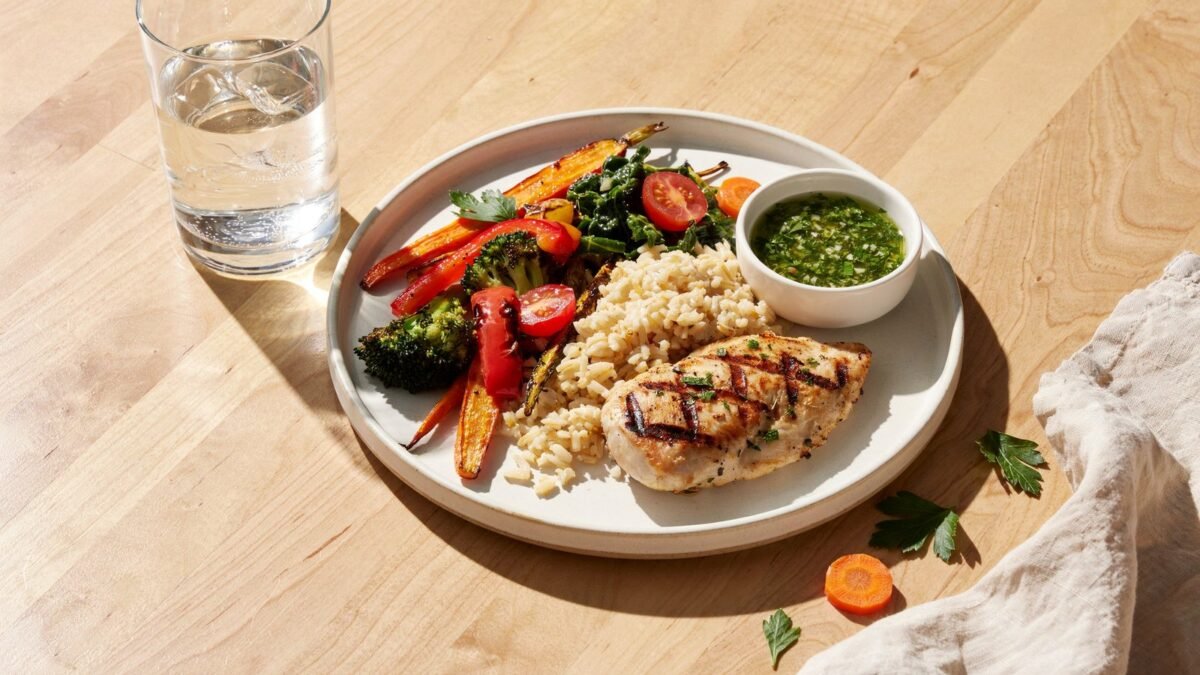
Eating out with insulin resistance is easier when you build a four-part order: nonstarchy vegetables, a meaningful protein source, an intentional carbohydrate portion, and enough flavor or unsaturated fat to enjoy the meal. That structure is more useful than chasing a perfect menu label.
Key Takeaway: Look for balance before subtraction. Choose vegetables plus protein, decide which carbohydrate you actually want, request sauces or dressings on the side when useful, and use a portion strategy that leaves you comfortably satisfied.
Before You Order: Make the Decision Easier
Insulin resistance means the body’s cells do not respond to insulin as effectively as expected. Food patterns, movement, sleep, weight management when appropriate, smoking cessation, and prescribed medicines may all be part of care.[1]
A restaurant meal neither causes nor cures insulin resistance by itself. The practical goal is to choose a meal that fits your overall plan, supports comfortable fullness, and does not turn dinner into an all-or-nothing event.
Preview the menu before arriving when possible. CDC and the American Heart Association both recommend planning ahead; chain restaurants may also publish nutrition information that helps with carbohydrate, sodium, or calorie decisions.[2], [3]
Do not intentionally skip breakfast and lunch to “save” for dinner if that makes you ravenous or conflicts with medication timing. CDC suggests a protein-and-fiber snack when a meal will be substantially later than usual, with the rest of the day adjusted as appropriate.[2]
If you use insulin or a medicine that can cause hypoglycemia, restaurant delays matter. Carry your usual low-glucose treatment and follow the meal timing and dose plan provided by your diabetes clinician.
The Four-Part Order for Fullness and Flexibility
1. Start with nonstarchy vegetables
Look for salad, roasted vegetables, steamed greens, sautéed mushrooms, peppers, broccoli, green beans, cabbage, eggplant, or a vegetable-based soup. Preparation and sauce still matter, but “vegetables count only if plain” is not a useful rule.
The CDC plate method uses half a nine-inch plate for nonstarchy vegetables, one quarter for protein, and one quarter for carbohydrate foods.[4] A restaurant plate will not arrive with exact divisions, so use the visual as a flexible reference.
If the entrée has few vegetables, ask to add a side salad or swap one side. Check whether a creamy dressing, sweet glaze, or large amount of butter changes what you want; requesting it on the side gives you control without removing flavor.
2. Choose a protein anchor
Fish, chicken, eggs, tofu, tempeh, beans, lentils, Greek-style yogurt sauces, lean meat, or seafood can anchor the meal. “Grilled” is not automatically nutritionally perfect, but it often makes ingredients easier to see than deep-fried or heavily breaded preparations.
Eating carbohydrate with protein, fat, or fiber can slow how quickly glucose rises compared with carbohydrate alone, according to CDC meal-planning guidance.[4] Your actual response still depends on portion, preparation, medication, and individual physiology.
Protein also makes a vegetable-forward meal more substantial. For more detail, see how protein affects blood sugar and fullness.
3. Pick the carbohydrate you actually want
Rice, bread, noodles, tortillas, potatoes, beans, fruit, and dairy can fit. The useful question is not “Are carbs allowed?” but “Which carbohydrate belongs in this meal, and what amount works with the rest?”
If the entrée automatically includes bread, fries, rice, and a sweet drink, choose the components you value most rather than eating every starch because it arrived. You might keep rice and exchange fries for vegetables, or enjoy bread and select a less starch-heavy entrée.
There is no universal restaurant carbohydrate limit for insulin resistance. A registered dietitian or diabetes educator can help match portions to appetite, activity, glucose goals, cultural foods, and medicine.
4. Keep satisfying flavor
Olive oil, avocado, nuts, seeds, tahini, pesto, cheese, or a flavorful dressing can make vegetables and protein feel like a meal. These ingredients are energy-dense, so “healthy fat” does not mean unlimited—but fear of every sauce can leave an order disappointing.
Ask for sauces, gravy, and dressing on the side when you want to control sweetness, richness, or sodium. Then add enough for flavor instead of defaulting to none.
One thing worth pushing back on here: the smallest-looking order is not automatically the best for insulin resistance. A bare salad that leaves you hungry may lead to grazing later, while a balanced entrée with protein, vegetables, and a deliberate carb may be more satisfying.
| Part | Menu question | Useful options |
|---|---|---|
| Vegetables | Where is the color and volume? | Salad, roasted vegetables, greens, vegetable soup |
| Protein | What makes this a complete meal? | Fish, poultry, tofu, eggs, beans, lean meat |
| Carbohydrate | Which option do I want most? | Rice, bread, tortilla, potato, noodles, beans |
| Flavor | What makes it enjoyable? | Dressing, olive oil, avocado, nuts, cheese, sauce |
What This Can Look Like on Common Menus
The following are order examples, not recipes or guaranteed nutrition profiles. Ingredients, portions, allergens, sodium, added sugar, and carbohydrate vary widely by restaurant, so ask questions when the details affect your health.
Mexican or Tex-Mex
Try a bowl or plate with fajita vegetables, chicken, fish, tofu, or beans; choose rice, tortillas, or chips intentionally; then add salsa, avocado, or a modest amount of cheese. Ask for sour cream or queso on the side if you prefer.
Beans contribute both carbohydrate and fiber, so they can fill more than one role. You do not need to remove beans simply because they contain carbohydrate.
Mediterranean or Middle Eastern
Build around a large salad or cooked vegetables plus grilled fish, chicken, lentils, or falafel, then choose pita, rice, or potatoes. Hummus and tahini add flavor, while portions and preparation determine the final balance.
A mixed mezze meal can be satisfying but easy to underestimate because bites accumulate. Put your chosen items on one plate when practical so you can see the meal rather than track every bite mentally.
Italian
Consider a vegetable starter plus fish, chicken, beans, or a pasta dish that includes protein and vegetables. If you want pasta, order it deliberately rather than treating it as a failure.
Share a large pasta portion or plan to take some home if that suits your appetite. CDC notes that restaurant entrées can contain several servings and suggests sharing or packing part for later.[4]
East or Southeast Asian
Look for vegetable-heavy stir-fries, steamed dishes, soup, grilled items, tofu, seafood, or lean meat, then choose rice or noodles. Ask whether sauce can be lighter or served separately, especially if sodium or added sugar is a concern.
Soy sauce, teriyaki, broth, and pickled items can be sodium-dense. The AHA recommends watching these menu words and asking for no extra salt or sauce on the side when needed.[5]
Breakfast or brunch
Combine eggs, tofu scramble, Greek yogurt, or another protein with fruit or vegetables and one chosen starch such as toast, oats, or potatoes. Sweet coffee drinks, juice, pastries, and syrup can make carbohydrates add up without much fullness.
Fast casual or fast food
Use the same framework: salad or vegetables, a protein item, and one intentional carb. ADA advises checking menus online and using the Diabetes Plate balance of vegetables, protein, and carbohydrate as a rule of thumb.[6]
For a broader everyday approach beyond restaurants, see the practical low-glycemic diet guide for insulin resistance.

Portions, Sauces, Drinks, and Dessert
Pause halfway and check comfort, not morality. If the portion is much larger than you want, share it, request a box early, or stop and take the remainder home; none of those choices is mandatory.
Water, sparkling water, unsweetened tea, or another low-calorie drink can keep the meal’s carbohydrate more visible. If you choose a sweet drink, treat it as part of the meal rather than assuming liquids do not count.
Alcohol can lower inhibitions around food and may contribute carbohydrate, while it can also increase hypoglycemia risk for people using insulin or certain medicines. Ask your clinician whether alcohol is safe for you, and do not drink on an empty stomach if your medical plan advises against it.
Dessert can fit. Share one, order a smaller portion, or choose it as the carbohydrate you most want; do not compensate with skipped medicine, extreme exercise, or fasting.
Restaurant sodium deserves attention when you also have high blood pressure, kidney disease, or heart failure. AHA reports that most dietary sodium comes from prepared, packaged, and restaurant foods and recommends requesting no extra salt and sauces on the side.[5]
Medication and Glucose Safety
Insulin resistance is not the same as diabetes, and people use different treatments. If you take metformin alone, your hypoglycemia risk differs from someone using insulin or a sulfonylurea.
Follow your clinician’s instructions for meal delays, carbohydrate consistency, alcohol, and restaurant dosing. Do not add insulin based on a photo, menu estimate, or advice written for another person.
If you monitor glucose, use readings to learn rather than grade the meal. Record the restaurant, approximate order, timing, activity, medicine, sleep, and unusual stress so patterns have context.
Seek individualized nutrition advice for pregnancy, eating-disorder history, kidney disease, gastroparesis, food allergies, celiac disease, or recurrent hypoglycemia. The four-part order is a starting framework, not a substitute for therapeutic meal planning.
The what-changes moment is arriving with one simple decision rule instead of twenty restrictions. You can scan any menu for vegetables, protein, a chosen carb, and flavor—then return attention to the people at the table.
Frequently Asked Questions
What is the best restaurant meal for insulin resistance?
There is no single best meal. A practical option combines nonstarchy vegetables, a protein source, a carbohydrate portion that fits your plan, and satisfying flavor, with preparation and portion adjusted to your needs.
Do I need to order low-carb food?
No universal low-carb requirement applies to everyone with insulin resistance. Carbohydrate type, amount, what you eat with it, activity, medicines, and individual response all matter.
Should I skip a meal before eating out?
Usually not if it makes you overly hungry or conflicts with medication. If dinner will be late, a planned protein-and-fiber snack may help, but your medical plan comes first.[2]
How can I manage a very large entrée?
You can share, request a smaller portion, box part early, or eat until comfortably satisfied and take the rest home. Choose the strategy that supports your appetite and treatment plan without guilt.
Conclusion
Eating out with insulin resistance does not require a special menu or perfect restraint. Use a four-part order—vegetables, protein, an intentional carbohydrate, and enjoyable flavor—then adjust portions, sauces, drinks, and timing to your needs.
Plan enough to feel steady, ask questions that matter, and keep medication safety personal. A restaurant meal can be both satisfying and compatible with long-term metabolic care.
Medical Disclaimer: This article is for general educational purposes only and is not a substitute for personalized medical advice, diagnosis, or treatment. Speak with a qualified healthcare professional if you have symptoms, take medication, are pregnant or breastfeeding, or are considering major changes to your diet, supplements, or treatment plan.
References
- National Institute of Diabetes and Digestive and Kidney Diseases. Insulin Resistance & Prediabetes. NIDDK insulin resistance guidance
- Centers for Disease Control and Prevention. Eating Out. Updated May 15, 2024. CDC restaurant guidance
- American Heart Association. Dining Out Doesn’t Mean Ditching Your Diet. AHA dining-out guidance
- Centers for Disease Control and Prevention. Diabetes Meal Planning. Updated May 15, 2024. CDC plate method and portions
- American Heart Association. How to Reduce Sodium in Your Diet. Last reviewed January 5, 2024. AHA sodium guidance
- American Diabetes Association. Make Healthy Choices at a Fast-Food Restaurant. ADA fast-food guidance
- American Diabetes Association. Eating Well & Managing Diabetes. ADA Diabetes Plate guidance