
Blood Sugar Balance: Delicious Recipes for Stable Levels in Everyday Life
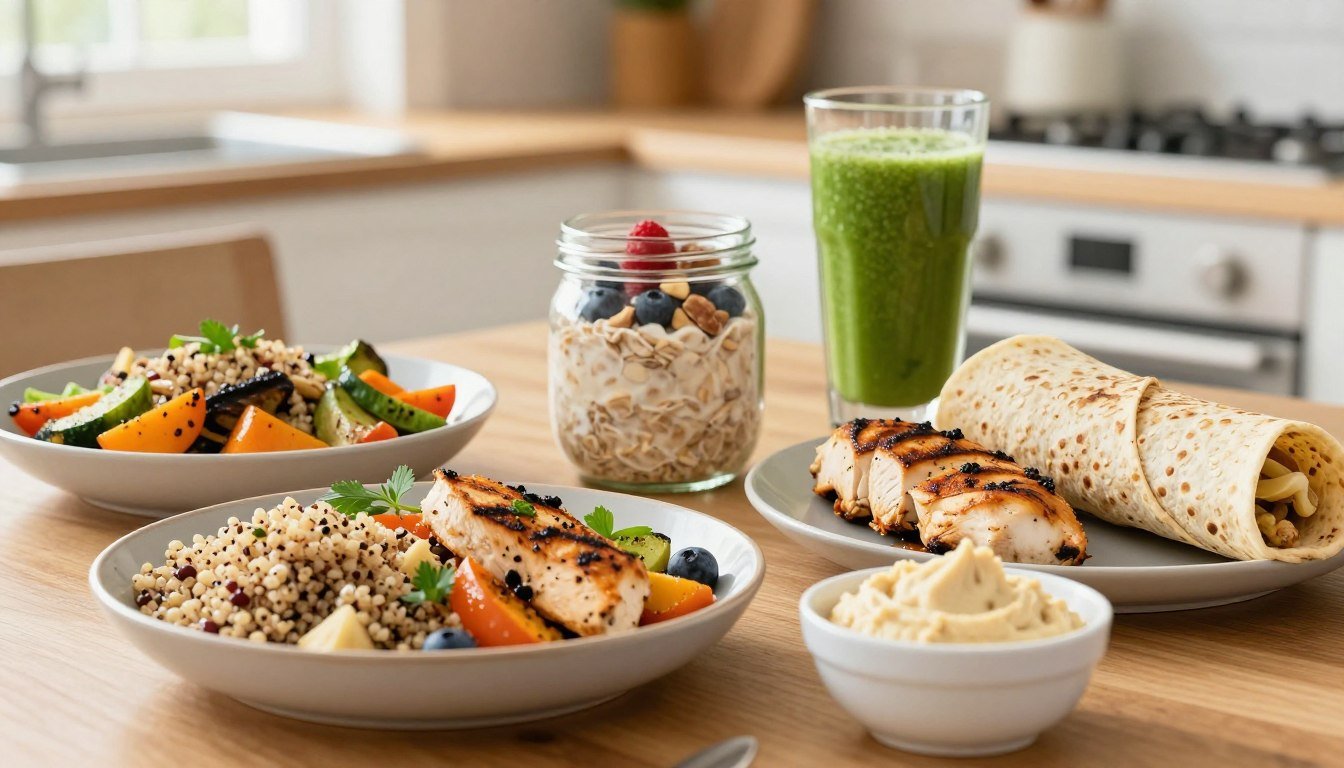
That 3 p.m. energy crash. The craving that appears out of nowhere two hours after lunch. The feeling of being wired and exhausted at the same time — and no clear reason why.
For many adults, this isn’t just a bad day. It’s a pattern. And it often points to one underlying issue: blood sugar that isn’t staying stable between meals.
The encouraging news: blood sugar balance is one of the most directly addressable areas of metabolic health — and the kitchen is one of the most powerful places to start.
What Foods Actually Support Blood Sugar Balance?
Supporting blood sugar balance doesn’t require a restrictive diet or eliminating entire food groups. Research consistently points to the same principles: prioritize fiber, quality protein, and healthy fats — and pair them strategically at each meal.
For most adults, meaningful improvements in blood sugar balance are possible within two to four weeks of consistent dietary changes. The goal isn’t perfection — it’s building a pattern your body can rely on.[1]
Key Takeaways
- Fiber, protein, and healthy fats work together to slow glucose absorption after meals
- Meal timing and structure may matter as much as individual food choices
- Post-meal movement — even a short walk — measurably reduces postprandial glucose
- Sleep and stress have a direct, physiological effect on how your body manages blood sugar
- Small, consistent habits compound over time — no dramatic overhaul required
Understanding How Blood Sugar Works
Every time something is eaten, the body breaks carbohydrates down into glucose — the primary fuel for cells. Insulin, a hormone produced by the pancreas, acts like a key that lets glucose enter cells for energy.
When this system works well, blood sugar rises modestly after a meal and returns to baseline within a couple of hours. When it doesn’t — due to insulin resistance, poor food timing, or chronic stress — glucose stays elevated longer, and the energy swings become noticeable.[5]
Insulin resistance — where cells stop responding efficiently to insulin — is more common than most people realize. About 35% of U.S. adults meet criteria for prediabetes, and many don’t know it. Understanding the difference between prediabetes and type 2 diabetes is a useful starting point if those numbers feel relevant to you.
This is where it’s worth being direct: if energy crashes, persistent cravings, or brain fog have been part of daily life for a while, that experience is real — and it often has a metabolic explanation. It’s not a willpower problem. Many people go years without connecting those symptoms to blood sugar.
Best Foods for Blood Sugar Balance — A Practical Guide
The foods below have the strongest evidence for supporting stable glucose levels. The goal isn’t to eat all of them every day — it’s to build meals around these categories consistently.
| Food Category | Examples | Why It Helps |
|---|---|---|
| Fiber-Rich Vegetables | Broccoli, leafy greens, zucchini, peppers, asparagus | Slows glucose absorption; low glycemic impact |
| Quality Proteins | Eggs, salmon, chicken, Greek yogurt, lentils | Blunts postprandial glucose rise; promotes satiety |
| Healthy Fats | Avocado, olive oil, walnuts, almonds, chia seeds | Slows gastric emptying; reduces insulin demand |
| Whole Grains | Quinoa, rolled oats, brown rice, farro | Higher fiber content vs. refined grains; slower digestion |
| Legumes | Black beans, chickpeas, lentils, edamame | High fiber + protein; among the lowest glycemic foods available |
| Micronutrient-Rich Foods | Pumpkin seeds (magnesium), broccoli (chromium), spinach | Both magnesium and chromium support insulin receptor function |
Dietary fiber — especially from vegetables and legumes — is one of the most consistently supported interventions for reducing postprandial glucose spikes. Evidence from multiple controlled trials shows measurable differences in glycemic response when fiber intake is increased.[1]
For a deeper look at how to put these foods together at each meal, the balanced plate approach is a useful framework — particularly for those managing blood sugar day to day.
Meal Ideas That Actually Work
Theory is useful. Actual meal ideas are more useful. Here are a few combinations that consistently hit the right nutritional targets without requiring much effort:
- Breakfast: Rolled oats with walnuts, chia seeds, and a handful of blueberries — around 10g fiber, sustained energy for 3–4 hours
- Lunch: Grilled salmon over arugula with chickpeas, olive oil, and lemon — fiber, protein, and omega-3s in one bowl
- Dinner: One-pan chicken thighs with roasted broccoli, zucchini, and a small portion of quinoa
- Snack: An apple with 1–2 tablespoons of almond butter — the fat and fiber slow glucose absorption from the fruit significantly
The Harvard T.H. Chan School of Public Health highlights that Mediterranean-style eating patterns — emphasizing vegetables, olive oil, fish, and whole grains — show some of the strongest long-term evidence for metabolic health outcomes.[4]
What to Limit
A few categories consistently drive instability:
- Sugary beverages — soda, juice, sports drinks — deliver large glucose loads with no fiber to buffer them
- Refined carbohydrates eaten alone (white bread, crackers, instant rice) spike glucose quickly without protein or fat present
- Ultra-processed snacks with both high sugar and high saturated fat — the combination is particularly hard on insulin signaling
Swapping a daily soda for water or unsweetened sparkling water is one of the single highest-impact changes available — not because it’s magic, but because it removes a reliable glucose spike with minimal effort.
One Thing Worth Pushing Back On Here
Most advice on blood sugar management says: eat less sugar. That’s not wrong — but it’s incomplete in a way that leaves a lot of people frustrated.
The more precise issue is often meal structure, not sugar consumption. Someone eating three well-balanced meals a day — with fiber, protein, and fat at each — tends to have far fewer cravings and more stable energy, even without dramatically reducing sugar intake. The structure prevents the dips that trigger cravings in the first place.
Conversely, someone skipping breakfast and eating a small lunch often has intense cravings by 4 p.m. — and reaches for something sweet not because they lack willpower, but because their blood sugar has been cycling between highs and lows all day. The sugar is a symptom of the pattern, not the root cause.
This matters because it shifts the intervention. Instead of focusing on eliminating foods, the more effective starting point is often adding structure: a real breakfast with protein, consistent meal timing, and a snack that bridges the gap between lunch and dinner.
Movement, Sleep, and Stress — The Non-Food Factors
Food gets most of the attention in blood sugar conversations. But three other variables have a direct, measurable physiological effect — and they’re often more actionable than dietary changes for some people.
Movement After Meals
Skeletal muscle is responsible for roughly 80% of insulin-mediated glucose uptake. When muscles are active, they pull glucose out of the bloodstream independently of insulin — which is why movement is one of the most effective tools available for managing postprandial spikes.[5]
A 2022 meta-analysis in Sports Medicine found that short walks after meals — even 10 minutes — reduced postprandial glucose more effectively than a single longer walk taken earlier in the day.[2]
The ADA recommends 150 minutes of moderate movement per week — roughly 20–25 minutes daily. Even breaking this into short sessions after meals may produce better glycemic results than one longer session at another time.
Sleep Quality
One week of sleeping fewer than 6 hours per night has been shown to reduce insulin sensitivity by 30–40% in otherwise healthy adults — a larger effect than many dietary interventions produce.[3]
Poor sleep also raises cortisol and ghrelin (the hunger hormone), which compounds the problem: less sensitivity to insulin, more cravings, and more difficulty making intentional food choices the next day.
A consistent sleep schedule — same bedtime, same wake time — appears to matter as much as total hours. Keeping the bedroom cool and avoiding screens in the hour before bed are among the most evidence-supported behavioral changes.
Chronic Stress
Cortisol — the body’s primary stress hormone — directly raises blood glucose as part of the fight-or-flight response. When stress is chronic rather than acute, cortisol stays elevated, and blood sugar follows. This is a physiological mechanism, not a mindset issue.
Even 5–10 minutes of daily breathwork, slow walking, or mindfulness practice has been shown to measurably reduce cortisol levels over time. It doesn’t need to be elaborate.
Daily Habits That Compound Over Time
The research on blood sugar management consistently points to one conclusion: consistency beats intensity. Small habits, repeated daily, produce more durable change than periodic dramatic interventions.
A few that are particularly high-leverage:
- Eat protein within 30–60 minutes of waking — this stabilizes morning glucose and tends to reduce cravings later in the day
- Drink water before meals — mild dehydration impairs insulin signaling; hydration is a basic but frequently overlooked variable
- Use a 9-inch plate — portion management without calorie counting; half vegetables, a quarter protein, a quarter whole grains
- Take a short walk after the largest meal of the day — 10–15 minutes consistently produces measurable glucose benefits
Losing roughly 5–7% of body weight, if relevant, has been associated with significant improvements in insulin sensitivity — but the habits above support that outcome rather than requiring it first.
Conclusion
Managing blood sugar balance isn’t about following a perfect diet or tracking every gram of carbohydrate. It’s about building a pattern — consistent meals with fiber and protein, regular movement, adequate sleep — that gives the body a stable foundation to work from.
The evidence is clear that these changes work. What’s less often said is that they work relatively quickly. Many people notice meaningful differences in energy and cravings within two to three weeks of implementing even a few of the habits above.
If this has been a struggle for a while — the fatigue, the cravings, the sense that something’s off — that experience is valid and it has a physiological explanation. The path forward is practical, not punishing. Start with one meal, one habit, one day.
Frequently Asked Questions
What are the best foods for blood sugar balance?
Supporting blood sugar balance consistently comes down to a few food categories: fiber-rich vegetables like broccoli, leafy greens, and zucchini; quality proteins such as eggs, salmon, and Greek yogurt; healthy fats from avocado, olive oil, and nuts; and low-glycemic whole grains like quinoa and rolled oats. The key is combining these at each meal — fiber and protein together blunt the glucose rise from carbohydrates more effectively than either does alone. Research supports Mediterranean-style eating patterns as one of the most evidence-backed approaches for long-term blood sugar management.
Can I still eat carbohydrates if I’m managing blood sugar?
Yes — the goal isn’t to eliminate carbohydrates but to choose them thoughtfully and pair them strategically. Whole grains, legumes, and starchy vegetables behave very differently in the body than refined carbohydrates or sugary beverages. Pairing any carbohydrate source with a protein or fat source slows digestion and moderates the glucose response significantly. Portion size matters too — a smaller serving of a higher-glycemic food, eaten alongside protein and fiber, may produce a much more stable response than a large portion of the same food eaten alone.
How does exercise help with blood sugar regulation?
Skeletal muscle is responsible for the majority of insulin-mediated glucose uptake — meaning that when muscles are active, they clear glucose from the bloodstream more efficiently. This effect is strongest immediately after eating, which is why a short walk after meals is particularly effective. Resistance training two to three times per week also improves baseline insulin sensitivity over time, producing benefits that extend well beyond the workout itself. The timing of movement matters: the same 10-minute walk produces a measurably different glycemic response when done after a meal versus earlier in the day.
How do sleep and stress affect blood sugar levels?
Both have direct physiological effects, not just indirect lifestyle influences. Sleeping fewer than 6–7 hours per night has been shown to reduce insulin sensitivity by 30–40% in healthy adults — a significant impairment that accumulates with chronic sleep restriction. Chronic stress keeps cortisol elevated, which directly raises blood glucose as part of the body’s stress response. Prioritizing 7–8 hours of consistent sleep and incorporating even brief daily stress-reduction practices — breathwork, slow walking, or mindfulness — supports metabolic function in ways that dietary changes alone cannot fully compensate for.
Medical Disclaimer: The information provided in this article is for educational purposes only and does not constitute medical advice. Always consult a qualified healthcare provider before making changes to your diet, lifestyle, or treatment plan. TheMetabolicHub.com does not replace professional medical guidance.
References
- Reynolds AN et al. Dietary fibre and whole grains in diabetes management: Systematic review and meta-analyses. PLOS Medicine. 2020. PMID: 26481947
- Buffey AJ et al. The Acute Effects of Interrupting Prolonged Sitting Time in Adults with Standing and Light-Intensity Walking on Biomarkers of Cardiometabolic Health. Sports Medicine. 2022. PMID: 35115009
- Spiegel K et al. Sleep curtailment in healthy young men is associated with decreased leptin levels, elevated ghrelin levels, and increased hunger and appetite. Annals of Internal Medicine. 2004. PMID: 16227462
- Estruch R et al. Primary Prevention of Cardiovascular Disease with a Mediterranean Diet Supplemented with Extra-Virgin Olive Oil or Nuts. NEJM. 2018. PMID: 29897866
- American Diabetes Association. Physical Activity/Exercise and Diabetes. diabetes.org. Accessed 2025.
- Harvard T.H. Chan School of Public Health. Carbohydrates and Blood Sugar. hsph.harvard.edu. Accessed 2025.