Fatty Liver and High Triglycerides: Why They Appear Together

It can feel unsettling when a routine lipid panel shows high triglycerides and a liver test or ultrasound later points toward fatty liver. The two findings may look separate, but this may not be random.
The encouraging news: fatty liver high triglycerides usually describe a shared metabolic pattern, not a personal failure. Once the pattern is clearer, the next steps often become less confusing.
Fatty liver high triglycerides: the direct answer
Fatty liver and high triglycerides often happen together because the liver stores, makes, and exports fat. When more fuel arrives than the body can comfortably use, some may stay in the liver while some leaves as triglyceride-rich VLDL particles.[1]
Fatty liver high triglycerides often overlap with insulin resistance, abdominal weight gain, low HDL cholesterol, prediabetes, or elevated blood pressure. Many people can see meaningful triglyceride changes within weeks, while liver fat and imaging changes may take months and should be followed with a clinician.
Quick Win: After one main meal today, take a relaxed 10–15 minute walk and choose water or unsweetened tea instead of alcohol or a sugary drink.
Key takeaways
- Fatty liver and high triglycerides often reflect the same liver fuel-handling problem.
- Insulin resistance can increase fatty acid flow to the liver and raise VLDL-triglyceride output.
- Alcohol, sugary drinks, refined carbohydrates, low activity, genetics, and some conditions can contribute.
- Very high triglycerides need prompt medical care because pancreatitis risk can rise.[7]
- Progress usually comes from repeated, sustainable changes rather than extreme restriction.
Why do fatty liver and high triglycerides appear together?
The liver is a central hub for processing energy. It receives nutrients from the gut, handles fatty acids from body stores, makes some fat, and packages triglycerides for release into the bloodstream.
When this system is under pressure, triglycerides can build in two places. Some remain inside the liver, and some are exported into the blood as VLDL particles.[3]
This is why the phrase fatty liver high triglycerides is best understood as one connected pattern. It often sits beside other cardiometabolic markers, including low HDL cholesterol, higher waist measurement, elevated glucose, or blood pressure changes.[4]
The newer medical term for many non-alcohol-related cases is metabolic dysfunction-associated steatotic liver disease, or MASLD. Many people and clinics still use “fatty liver” or “NAFLD,” so those terms remain common in everyday conversations.[2]
What is happening inside the liver?
Triglycerides are not automatically harmful. They are a normal storage form of fat and one way the body moves energy between tissues.
The concern begins when liver fat and blood triglycerides stay elevated over time. That can suggest the liver is managing more incoming fuel than it can comfortably process.
Mechanism Box: Think of the liver like a busy distribution center. If too much fuel keeps arriving, some is stored in the building, and some is sent back out into traffic as triglyceride-rich particles.
Three fat pathways meet in the liver
| Pathway | What it means | Why it matters |
|---|---|---|
| Fat from body stores | Fatty acids flow from adipose tissue to the liver. | This flow may rise when insulin signaling is impaired. |
| Dietary energy | Meals provide fat, carbohydrate, and total calories for processing. | Consistent surplus intake can add pressure over time. |
| New fat production | The liver can convert excess carbohydrate into fat. | This may increase with frequent added sugars, refined starches, and insulin resistance. |

How insulin resistance connects liver fat and triglycerides
Insulin helps move glucose into tissues and helps regulate how fat is stored and released. When cells respond less efficiently to insulin, the body may produce more insulin to keep blood sugar in range.
Over time, the liver may receive more fatty acids, continue producing glucose when it should slow down, and increase VLDL-triglyceride output. This is one reason insulin resistance can link liver fat, high triglycerides, and low HDL cholesterol.[3]
For a deeper next step, the relationship between fat quality and liver workload is covered in healthy fats for fatty liver. That distinction matters because the goal is not simply to fear dietary fat.
One thing worth pushing back on here: the common advice to “just cut fat” is too simplistic. Fatty liver and high triglycerides are often driven by the overall metabolic environment, including alcohol, added sugar, refined starches, low activity, sleep, insulin resistance, and genetics.
Lab patterns worth discussing
Fatty liver often has few or no obvious symptoms. Some adults notice fatigue or vague right-upper-abdominal discomfort, but many only discover it through routine bloodwork or imaging.[1]
High triglycerides also commonly cause no symptoms unless levels are very high. A fasting or non-fasting lipid panel may be the first clue.
| Marker | Why it may matter |
|---|---|
| Triglycerides | Can reflect how the body is handling circulating fuel and liver fat export. |
| HDL cholesterol | Low HDL often appears with insulin resistance and high triglycerides. |
| ALT and AST | May rise with liver stress, though normal values do not always exclude fatty liver. |
| A1c or fasting glucose | Can show whether blood sugar regulation is also under pressure. |
| Waist measurement | May reflect visceral fat, which is closely linked with cardiometabolic risk. |
A single number rarely tells the whole story. Patterns across several markers are usually more useful than chasing one isolated result.
Common drivers behind both findings
The overlap often comes from repeated signals that tell the liver to store, make, or export more fat. These signals can be nutritional, hormonal, behavioral, genetic, medication-related, or medical.
Sugary drinks and refined carbohydrates
Sugary drinks, frequent desserts, and large portions of refined starches can raise triglyceride production in susceptible adults. The issue is not one occasional food, but the repeated pattern and total metabolic load.
Alcohol intake
Alcohol can increase liver workload and may raise triglycerides in some people. Anyone with fatty liver should discuss alcohol intake honestly with a qualified clinician.
Low muscle activity
Skeletal muscle is a major place where glucose can be used and stored. When daily movement is low, more fuel may remain circulating after meals.
Sleep, stress, genetics, and medications
Poor sleep and chronic stress may affect appetite, glucose regulation, cravings, and insulin sensitivity. Some medications, thyroid issues, kidney disease, diabetes, and family lipid patterns can also contribute.
Stat Callout: Clinical guidance treats MASLD as a cardiometabolic condition, not only a liver condition, because liver fat often clusters with glucose, weight, lipid, and blood pressure risk factors.[2]
What may help lower the shared pressure?
The most useful approach is usually not a short, extreme plan. It is a steady reduction in liver-overload signals while increasing the body’s ability to use fuel.
Clinical guidance commonly points toward weight management when appropriate, improved diet quality, regular physical activity, reduced alcohol intake, and management of cardiometabolic risk factors.[2]
Build meals around protein, fiber, and minimally processed carbohydrates
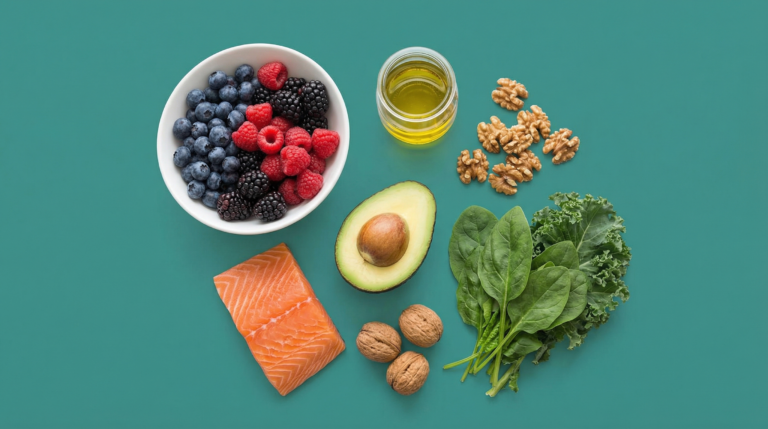
A practical plate might include protein, vegetables, beans or lentils, whole grains in a portion that fits the person, and unsaturated fats from foods like olive oil, nuts, seeds, or avocado.
For many adults, the biggest early win is replacing liquid sugar with water, sparkling water, unsweetened tea, or coffee without added sugar. This can reduce a fast-delivered carbohydrate source.

Use movement after meals
Short walks after meals can help muscles use glucose during the hours when blood sugar and triglyceride handling are active. The goal is not punishment; it is giving incoming fuel somewhere to go.
Prioritize consistency over intensity
Moderate aerobic activity and resistance training may support insulin sensitivity, triglyceride metabolism, and weight management. A sustainable routine beats occasional heroic workouts followed by long gaps.
Discuss medication options when risk is higher
Lifestyle changes are foundational, but they are not the only tool. Depending on triglyceride level, diabetes status, cardiovascular risk, liver risk, and other factors, a clinician may discuss medication or further evaluation.
Very high triglycerides need prompt medical attention because pancreatitis risk can rise. Extremely elevated values should not be managed through lifestyle changes alone.[7]
What realistic progress can look like
Early progress may feel practical before it looks dramatic on imaging. Many people first notice steadier energy, fewer cravings, better post-meal alertness, or improved exercise capacity.
Triglycerides can shift with recent meals, alcohol intake, weight change, activity, and blood sugar control. Liver fat and liver enzymes may change on a different timeline and should be interpreted with a healthcare provider.
If food planning feels easier with structure, a 7-day fatty liver meal plan can help turn general advice into repeatable meals. The point is fewer liver-overload signals, repeated often enough to matter.
A simple 7-day starting plan
This is not a treatment plan. It is a gentle structure for adults who want a safer starting point before discussing personalized care.
- Day 1: Write down triglycerides, HDL, LDL, non-HDL cholesterol, glucose, A1c, ALT, and AST if available.
- Day 2: Replace sugary drinks with unsweetened options for the day.
- Day 3: Take a 10–15 minute walk after the largest meal.
- Day 4: Build one meal around protein, vegetables, and a high-fiber carbohydrate.
- Day 5: Avoid alcohol for the day, especially if triglycerides are elevated or fatty liver has been identified.
- Day 6: Add two short strength sets, such as sit-to-stands, wall push-ups, or resistance-band rows.
- Day 7: Plan three repeatable meals for the next week instead of relying on willpower each day.
For fatty liver high triglycerides, the goal is not doing everything at once. The goal is creating fewer overload signals and more fuel-use opportunities each week.
Frequently Asked Questions
Why do fatty liver high triglycerides often happen together?
Fatty liver high triglycerides often happen together because the liver helps process and export triglycerides. When the liver receives more fuel than the body can use or store well, some fat may build up in the liver while some is released into the blood as triglyceride-rich particles. Insulin resistance, excess alcohol, refined carbohydrates, low activity, genetics, and certain medical conditions can all contribute. A clinician can help identify which factors matter most for an individual person.
Can high triglycerides mean there is fat in the liver?
High triglycerides do not automatically mean someone has fatty liver. However, they can be a clue that the liver and metabolic system are handling excess circulating fuel. If triglycerides are elevated alongside abdominal weight gain, prediabetes, low HDL cholesterol, or abnormal liver enzymes, it may be worth asking a healthcare provider whether liver evaluation is appropriate. Imaging and clinical assessment are usually needed to identify fatty liver.
What foods are usually most important to reduce first?
For many adults, the first targets are sugary drinks, frequent desserts, large portions of refined starches, and excess alcohol. Replacing those with protein-rich meals, vegetables, beans, lentils, oats, fruit, and mostly unsweetened drinks may support better triglyceride and glucose handling. The right carbohydrate amount can vary by person. Anyone taking glucose-lowering medication should ask a clinician before making major dietary changes.
How long can triglycerides take to change?
Triglycerides can shift with recent meals, alcohol intake, weight change, activity, and blood sugar control. Some people see movement within weeks, while others need several months or medical support. Liver fat, liver enzymes, and imaging findings may change on a different timeline. Repeat testing should be planned with a healthcare provider rather than guessed at home.
Should someone avoid all fat if triglycerides are high?
Avoiding all fat is usually not the main goal. Triglycerides often respond to the overall diet pattern, alcohol intake, refined carbohydrate load, weight change, insulin resistance, and physical activity. Many heart-supportive eating patterns include unsaturated fats from minimally processed foods. People with very high triglycerides may need individualized medical nutrition advice, because their risk profile can be different.
Conclusion
Fatty liver and high triglycerides often belong to the same metabolic conversation. The liver is responding to daily signals from food, movement, insulin, alcohol, sleep, stress, genetics, and medical factors.
For anyone dealing with fatty liver high triglycerides, the next step is not panic. Start with repeatable meals, fewer sugary drinks, more walking, honest alcohol review, and a clinician-guided look at the full cardiometabolic picture.
Progress does not require perfection. It usually starts with clearer signals sent to the liver, repeated often enough for the body to respond.
Medical Disclaimer: The information provided in this article is for educational purposes only and does not constitute medical advice. Always consult a qualified healthcare provider before making changes to your diet, lifestyle, or treatment plan. TheMetabolicHub.com does not replace professional medical guidance.
References
- National Institute of Diabetes and Digestive and Kidney Diseases. Symptoms & Causes of NAFLD & NASH. NIDDK
- European Association for the Study of the Liver, European Association for the Study of Diabetes, and European Association for the Study of Obesity. EASL–EASD–EASO Clinical Practice Guidelines on the management of metabolic dysfunction-associated steatotic liver disease. 2024. PMID: 38851997
- Rinella ME, Neuschwander-Tetri BA, Siddiqui MS, et al. AASLD Practice Guidance on the clinical assessment and management of nonalcoholic fatty liver disease. 2023. PMID: 36727674
- National Heart, Lung, and Blood Institute. What Is Metabolic Syndrome? NHLBI
- National Institute of Diabetes and Digestive and Kidney Diseases. Diagnosis of NAFLD & NASH. NIDDK
- Miller M, Stone NJ, Ballantyne C, et al. Triglycerides and cardiovascular disease: a scientific statement from the American Heart Association. 2011. PMID: 21502576
- Berglund L, Brunzell JD, Goldberg AC, et al. Evaluation and treatment of hypertriglyceridemia: an Endocrine Society clinical practice guideline. 2012. PMID: 22962670