What to Eat After a Poor Night’s Sleep for Steadier Glucose

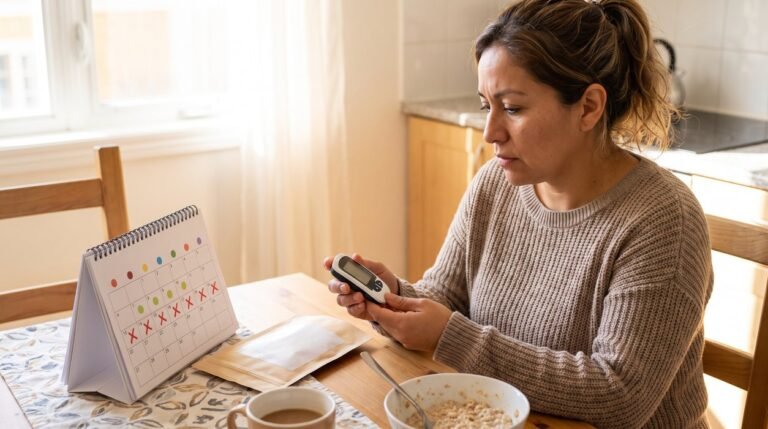
After a broken night, the fastest breakfast often wins: sweet coffee, a pastry, or nothing until hunger becomes urgent. That choice is understandable when your brain feels foggy and your usual routine has disappeared.
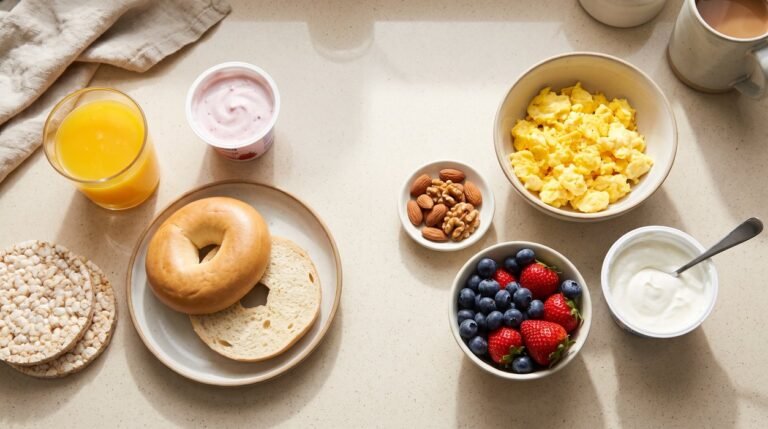
A breakfast after poor sleep for blood sugar support does not need to “fix” the night. Aim for protein, fiber, a moderate portion of minimally processed carbohydrate, and water so the meal is satisfying without delivering a large amount of rapidly absorbed sugar.
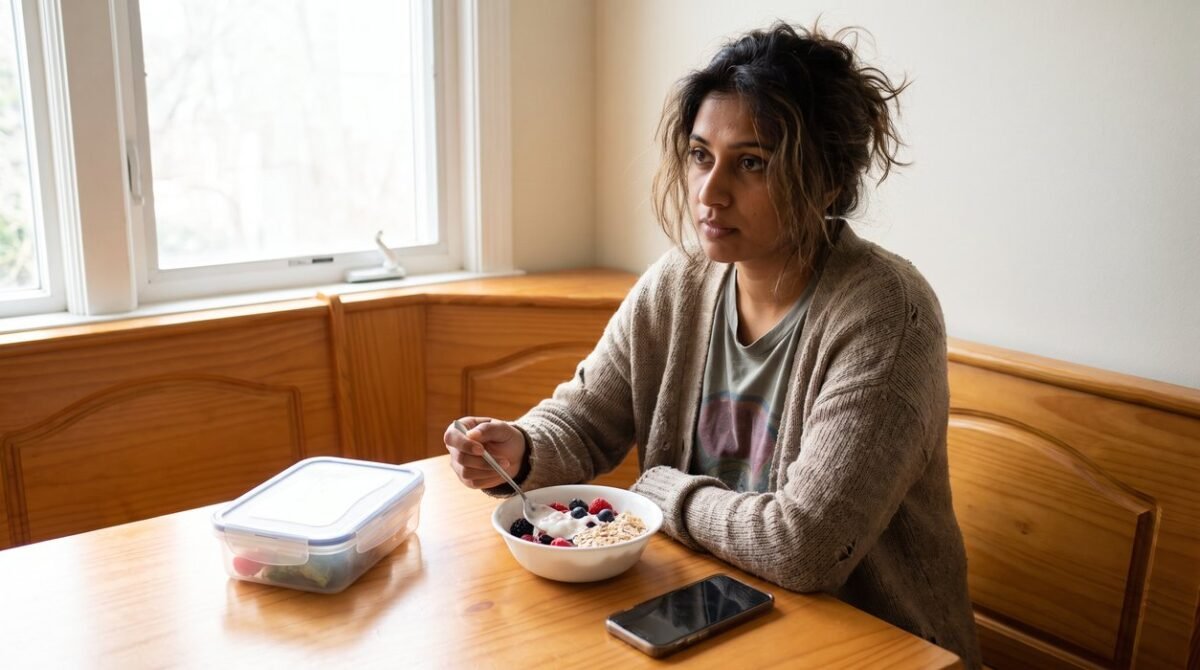
Quick Win: Pair one easy protein with one high-fiber carbohydrate: plain Greek yogurt with berries and oats, eggs with beans and whole-grain toast, or tofu with vegetables and a small piece of fruit.
Why Poor Sleep Can Change Blood Sugar and Hunger
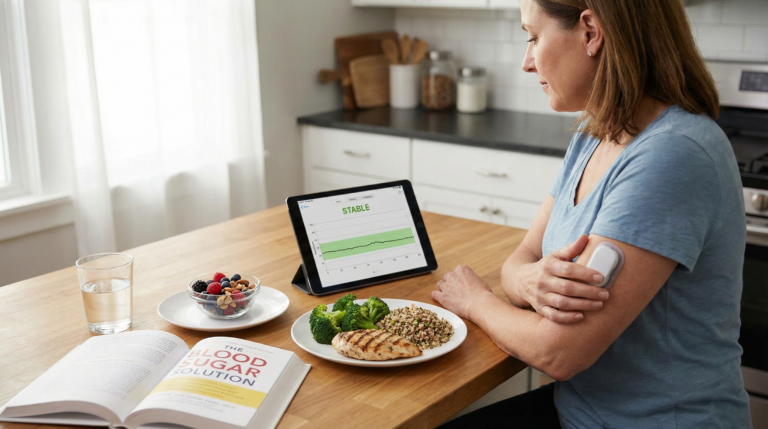
Sleep helps regulate glucose metabolism, stress hormones, appetite, and decision-making. Controlled experiments show that sleep restriction can reduce insulin sensitivity, although the size and timing of the effect vary across studies and people.
In a small randomized crossover study of healthy men, one shortened night reduced insulin sensitivity regardless of whether sleep was lost early or late in the night.[1] This finding supports an acute effect but does not predict every individual’s breakfast response.
Longer experiments add context. Six weeks of mild sleep restriction impaired insulin sensitivity in women without cardiometabolic disease, while four nights of restriction reduced clamp-measured insulin sensitivity in a small group of postmenopausal women.[2], [3]
Poor sleep can also make food decisions harder. In a small free-living crossover trial, sleep restriction increased hunger, desire for fatty foods, and carbohydrate intake from snacks, though total daily intake did not differ between conditions.[4]
This is not a personal failure. A tired brain is working with stronger sleepiness, altered appetite signals, and less planning capacity, so the most useful breakfast is often the one you can assemble without negotiating with yourself.
The Best Breakfast After Poor Sleep for Blood Sugar Support
No breakfast can cancel sleep loss. The practical goal is to avoid a very sugary, low-fiber meal that leaves you hungry again quickly while giving your body enough food to function.
| Component | Easy choices | Why it helps the meal |
|---|---|---|
| Protein | Eggs, Greek yogurt, cottage cheese, tofu, beans | Supports fullness and makes the meal more substantial |
| Fiber-rich carbohydrate | Oats, beans, whole-grain toast, berries, apple | Adds slower-digesting carbohydrate and fiber |
| Color or produce | Berries, spinach, tomatoes, peppers, whole fruit | Adds volume, water, fiber, and micronutrients |
| Unsaturated fat | Nuts, seeds, avocado, olive oil | Adds satisfaction; portion still matters |
| Drink | Water, unsweetened tea, coffee with a modest add-in | Hydrates without a large liquid-sugar load |
The American Diabetes Association’s plate framework emphasizes non-starchy vegetables, lean protein, and quality carbohydrate as a flexible meal structure.[5] Breakfast can use the same logic even when it does not look like a dinner plate.
Do you need a high-protein breakfast?
Protein can improve satiety, but more is not automatically better. A small acute trial in premenopausal women found better appetite control and lower post-meal glucose and insulin responses after protein-rich egg-based breakfasts than after a low-protein pancake meal.[6]
The study does not prove that everyone needs the same gram target or those specific foods. Use a portion that fits your appetite, medical needs, preferences, and total diet.
Eight Realistic Breakfast Ideas After a Rough Night
- Greek yogurt bowl: Plain Greek yogurt, berries, oats, and walnuts.
- Egg and bean toast: Whole-grain toast topped with beans and an egg, plus tomatoes.
- Overnight oats: Oats soaked with milk or fortified soy milk, chia seeds, and plain yogurt.
- Fast savory plate: Cottage cheese, cucumber, tomatoes, whole-grain crackers, and fruit.
- Tofu scramble: Tofu with frozen vegetables and a small whole-grain wrap.
- Peanut butter apple toast: Whole-grain toast with peanut butter, served with an apple and unsweetened yogurt.
- Leftover breakfast: Reheat lentils, vegetables, and chicken or tofu from dinner.
- Emergency convenience option: An unsweetened protein-rich yogurt, a whole fruit, and a small handful of nuts.
These are formulas, not glucose guarantees. Portion, medication, diabetes status, menstrual-cycle phase, stress, caffeine, and the severity of sleep loss can all change your response.
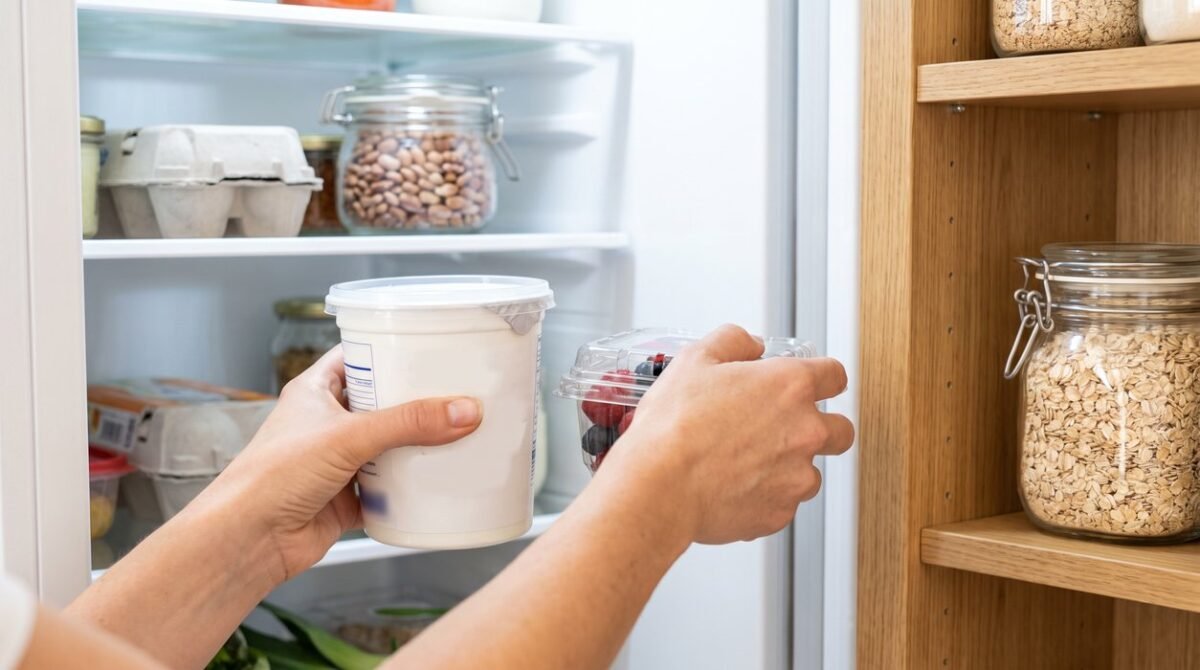
When choosing among them, start with what requires the least effort. Frozen berries, pre-cooked eggs, canned beans, plain yogurt, and individually portioned nuts can turn a low-capacity morning into a workable meal. If a full breakfast feels unappealing, use a smaller combination and pack the rest for later rather than forcing a large portion or waiting until hunger becomes overwhelming.
Meal Ideas Box: Pick one option before bed when you expect a short night, or keep one emergency combination at work. Reducing the number of morning decisions is part of the strategy.
For a broader rotation not tied to sleep, use the guide to the best breakfast structure for blood sugar. It can help you adapt portions and preferences across ordinary mornings.
What May Be Easier to Limit on a Sleep-Deprived Morning
You do not need a banned-food list. The choices most likely to be unhelpful are those that combine rapidly absorbed carbohydrate with little protein or fiber and are easy to consume quickly.
- Large sweetened coffee drinks or energy drinks used as breakfast
- Fruit juice or smoothies built mainly from juice, sweetened milk, or syrup
- Pastries, sweet cereal, or refined toast eaten without a protein source
- Multiple caffeinated drinks taken quickly to overpower fatigue
- Skipping food despite strong hunger, then relying on vending-machine snacks later
Caffeine can improve alertness, but it does not replace sleep and may affect glucose differently across individuals. Keep your usual moderate routine rather than escalating sharply, and protect the next night’s sleep by avoiding caffeine too late in the day.
Most guides imply that removing carbohydrates is the answer. The more useful distinction is carbohydrate quality, portion, and meal context: whole fruit with yogurt behaves differently from fruit juice consumed alone.
A Five-Step Tired-Morning Plan
- Drink water: Start with a normal glass rather than forcing excessive fluid.
- Choose protein first: Use the easiest option already available.
- Add one fiber source: Whole fruit, oats, beans, or whole-grain bread are practical choices.
- Eat seated when possible: A few calm minutes make it easier to notice fullness than grazing while rushing.
- Plan the next meal: Put one balanced lunch or snack within reach before fatigue drives the decision.
If movement is safe for you, a brief comfortable walk after breakfast can be a gentle way to re-enter the day. It should not be used to compensate for food, and dizziness or significant sleepiness are reasons to prioritize safety.
The bigger solution is restoring sleep rather than perfecting breakfast. The guide to sleep and insulin resistance explains why repeated short nights deserve attention beyond the next meal.
When medical guidance matters
If you use insulin or glucose-lowering medication, follow your established plan for meals, monitoring, and hypoglycemia. Do not alter a dose because of one poor night’s sleep without guidance from the clinician responsible for your treatment.
Seek medical help for severe or persistent symptoms, repeated low or very high readings, confusion, fainting, chest pain, or difficulty staying awake safely. Recurrent unrefreshing sleep, loud snoring, or witnessed breathing pauses also warrant assessment.
Frequently Asked Questions
What is the best breakfast after poor sleep for blood sugar?
Choose an easy combination of protein, fiber, and a moderate portion of minimally processed carbohydrate. Greek yogurt with berries and oats or eggs with beans and whole-grain toast are practical examples, not guaranteed glucose treatments.
Should I skip breakfast after a bad night?
There is no universal rule. If you are not hungry, you may prefer to wait, but habitual breakfast eaters may find that skipping increases later hunger. Medication and diabetes plans can make regular meal timing important.
Are oats okay after poor sleep?
Oats can fit, especially when paired with protein and seeds, nuts, or whole fruit. Portion size and individual response matter, so use your clinician’s guidance if you monitor glucose.
Can coffee raise blood sugar after poor sleep?
Caffeine responses vary, and sweetened coffee drinks add rapidly absorbed carbohydrate. Keep the amount familiar, avoid using caffeine as a substitute for food or sleep, and review repeated unusual readings with a healthcare professional.
Conclusion
A rough night can change insulin sensitivity, hunger, and the effort required to make a balanced choice. Breakfast cannot erase that effect, but it can avoid adding a large liquid-sugar load to an already difficult morning.
Use one protein, one fiber-rich carbohydrate, produce, and water as your default. Keep the meal simple, plan the next eating occasion, and make better sleep—not stricter food rules—the longer-term priority.
Medical Disclaimer: This article is for general educational purposes only and is not a substitute for personalized medical advice, diagnosis, or treatment. Speak with a qualified healthcare professional if you have symptoms, take medication, are pregnant or breastfeeding, or are considering major changes to your diet, supplements, or treatment plan.
References
- Wilms B, et al. Timing Modulates the Effect of Sleep Loss on Glucose Homeostasis. J Clin Endocrinol Metab. 2019. PMID: 30807636
- Qian J, et al. Chronic Insufficient Sleep in Women Impairs Insulin Sensitivity Independent of Adiposity Changes. Diabetes Care. 2023. PMID: 37955852
- Singh P, et al. Effect of sleep restriction on insulin sensitivity and energy metabolism in postmenopausal women. Obesity (Silver Spring). 2023. PMID: 36998155
- Tajiri E, et al. Effects of sleep restriction on food intake and appetite under free-living conditions. Appetite. 2023. PMID: 37562755
- American Diabetes Association. Eating Well & Managing Diabetes.
- Leidy HJ, et al. A randomized, controlled, crossover trial to assess the acute appetitive and metabolic effects of sausage and egg-based convenience breakfast meals in overweight premenopausal women. Nutr J. 2015. PMID: 25889354